Author: admin

  • From Sprawl to Sanctuary: Transforming Your Ranch Home into the Ultimate Outdoor Paradise

    From Sprawl to Sanctuary: Transforming Your Ranch Home into the Ultimate Outdoor Paradise

    The Magic of the Modern Ranch

    Imagine waking up on a Saturday morning, the sun barely peeking over the horizon, casting a soft golden glow across your bedroom. In a traditional multi-story house, you might have to navigate stairs and hallways before you catch a glimpse of the morning dew. But in a ranch-style home, the outdoors is never more than a few steps away. There is a unique, quiet magic in the horizontal silhouette of a ranch home—a design that naturally invites the landscape to become an extension of the living room.

    For decades, the ranch home has been a staple of American architecture, prized for its accessibility and open floor plans. However, the real potential of these homes often lies just beyond the back door. Because ranch homes sit low to the ground and typically occupy a wider footprint, they offer an unparalleled opportunity to create seamless transitions between indoor comfort and outdoor serenity. Today, we are going to explore how you can turn that sprawling backyard into a series of curated relaxation spaces that make every day feel like a vacation.

    The Art of the Seamless Transition

    The secret to a successful ranch home outdoor space is continuity. When you walk from your kitchen to your patio, it shouldn’t feel like you’re entering a different world; it should feel like you’ve simply opened a window to a larger version of your home. This is often achieved through the use of “threshold design.”

    Consider replacing standard swinging doors with wide, black-framed sliding glass doors or accordion-style folding doors. By doing this, you remove the physical and visual barriers between your interior and exterior. To take it a step further, many homeowners are now using the same flooring materials—such as slate tile or polished concrete—for both their indoor living area and the adjacent outdoor patio. This visual trick blurs the lines, making your home feel twice as large and infinitely more coected to nature.

    Creating Functional “Rooms” Without Walls

    One common mistake people make with large ranch backyards is leaving them as one giant, undifferentiated expanse of grass. To create true relaxation, you need to think in terms of “zones” or “outdoor rooms.” Just as your house has a kitchen, a bedroom, and a lounge, your outdoor space should have dedicated areas for different moods and activities.

    1. The Morning Nook

    Usually positioned just outside the master suite or the kitchen, the morning nook is a small, intimate space. A pair of comfortable bistro chairs, a small marble-topped table, and perhaps a few potted lavender plants are all you need. This is where you sip your first cup of coffee and listen to the birds before the rest of the world wakes up.

    2. The Sun-Drenched Lounge

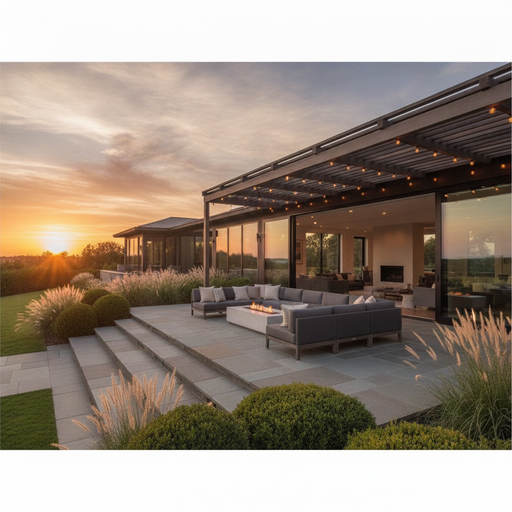
    Ranch homes often feature an L-shaped layout that creates a natural courtyard. This is the perfect spot for a central lounging area. Opt for low-profile modular sofas with deep, weather-resistant cushions ieutral tones. This keeps the sightlines clear, ensuring that the furniture doesn’t block the view of the rest of your garden. Add an oversized umbrella or a sleek pergola for those afternoons when the sun gets a bit too ambitious.

    3. The Al Fresco Culinary Hub

    If you love to entertain, an outdoor kitchen is a game-changer. For a ranch home, a linear kitchen setup built against the exterior wall works beautifully. It keeps plumbing and electrical lines close to the house while providing a station for grilling, prepping, and serving. Pair this with a long wooden harvest table under a canopy of string lights, and you have the perfect setting for summer dier parties that last long into the night.

    Landscaping for Privacy and Peace

    While the opeature of ranch living is a blessing, it can sometimes feel a bit exposed. Creating a sense of enclosure is vital for relaxation. You don’t need a ten-foot concrete wall to feel private; in fact, natural barriers are often more effective and much more beautiful.

    Consider using “softscaping” to define your boundaries. Tall ornamental grasses, such as Miscanthus or Feather Reed Grass, provide a shimmering, translucent screen that dances in the wind. For more solid privacy, a row of arborvitae or a well-manicured boxwood hedge can act as living walls. If you want a more modern look, horizontal wooden slat fences offer a contemporary “Zen” feel that complements the clean lines of ranch architecture perfectly.

    The Sensory Experience: Fire, Water, and Sound

    A true sanctuary engages all the senses. Once you have your furniture and layout settled, it’s time to add the elements that turn a “patio” into an “experience.”

    • Fire: A sunken fire pit is a classic choice for ranch homes. Because the house is low, a sunken pit maintains those precious sightlines while providing a cozy gathering spot. There is something primal and deeply relaxing about watching dancing flames as the temperature drops in the evening.
    • Water: The sound of trickling water is one of the most effective ways to mask neighborhood noise and induce a state of calm. A simple stone fountain or a modern “spillway” integrated into a retaining wall can transform the auditory environment of your backyard.
    • Scent: Don’t underestimate the power of aroma. Planting jasmine, honeysuckle, or rosemary near your seating areas ensures that every breeze carries a sweet, natural perfume.

    Lighting: Setting the Mood After Dark

    Your outdoor relaxation space shouldn’t disappear when the sun goes down. In fact, for many, the evening is when the backyard truly comes alive. The key to lighting a ranch home’s exterior is layering.

    Avoid harsh floodlights. Instead, use a mix of path lights to guide guests, uplighting on architectural trees to create drama, and warm string lights (Edison bulbs) draped over the dining area for a festive, cozy glow. If you have a deck, recessed LED lights in the stairs are both a safety feature and a beautiful design element that emphasizes the horizontal lines of your home.

    Conclusion: The Lifestyle You Deserve

    The beauty of a ranch home lies in its honesty and its coection to the earth. It doesn’t try to tower over the landscape; it sits comfortably within it. By investing in your outdoor relaxation spaces, you aren’t just increasing your property value—you are significantly enhancing your quality of life.

    Whether it’s the quiet solitude of a morning nook, the communal joy of a fire pit, or the simple luxury of a seamless transition from your living room to your garden, these spaces provide a much-needed retreat from the fast-paced digital world. Your ranch home is more than just a roof over your head; with a little creativity and plaing, it can become a sprawling, sun-soaked sanctuary that nourishes your soul every single day.
  • Investing in the Sunshine State: The Ultimate Guide to Mobile Home Park Ownership in Florida

    Investing in the Sunshine State: The Ultimate Guide to Mobile Home Park Ownership in Florida

    The Sun, The Sand, and The Steady Cash Flow

    Imagine sitting on a porch in Central Florida, the air thick with the scent of orange blossoms and the distant sound of a lawnmower humming. For many, this is the picture of a quiet retirement. But for a growing number of savvy investors, this scene represents something far more lucrative: a high-yield, recession-resistant asset class that is currently reshaping the real estate landscape of the Sunshine State.

    Mobile home parks (MHPs), once unfairly stigmatized, have emerged as the “darling” of the commercial real estate world. In Florida, where the population continues to swell and the demand for affordable housing has reached a fever pitch, owning a mobile home park isn’t just about collecting rent—it’s about owning a piece of the solution to a national housing crisis. However, entering this market requires more than just capital; it requires a deep understanding of Florida’s unique climate, its stringent legal landscape, and the specific needs of its diverse resident base.

    Why Florida? The Perfect Storm for Park Owners

    To understand why mobile home park ownership in Florida is so attractive, we have to look at the demographics. Florida is home to one of the largest concentrations of retirees in the United States. Thousands of “snowbirds” and permanent residents flock here every month seeking warmth and a lower cost of living. For a senior on a fixed income, a well-maintained manufactured housing community offers the perfect balance of independence, community, and affordability.

    But it’s not just seniors. Florida’s workforce—the people who keep the tourism, hospitality, and service industries ruing—increasingly find themselves priced out of traditional stick-built homes and luxury apartments. This creates a permanent, high-demand floor for mobile home park occupancy. When you own the land and the tenants own their homes, you create a “sticky” investment. It costs thousands of dollars to move a mobile home, meaning tenant turnover is significantly lower than in traditional apartments.

    The Business Model: Landlord vs. Community Leader

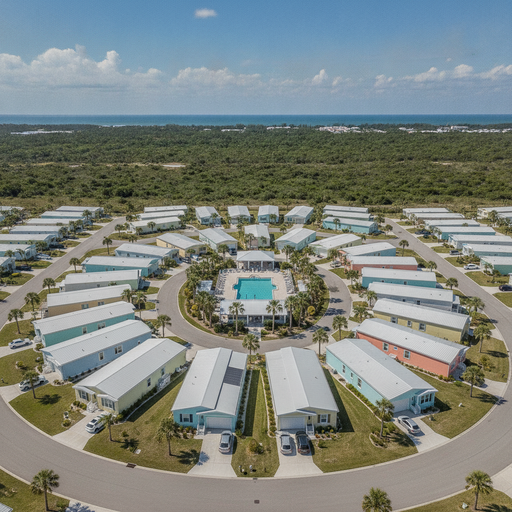
    Success in Florida mobile home park ownership often boils down to the “Lot Rent” model. Unlike a traditional landlord who is responsible for leaky faucets, broken toilets, and peeling wallpaper inside an apartment, a park owner typically owns the land, the infrastructure (roads, utility lines), and the amenities (clubhouses, pools). The residents own the individual homes and pay a monthly “lot rent” for the right to place their home on your land.

    This model shifts the burden of maintenance to the homeowner, resulting in lower operating expenses for the park owner. However, in Florida, the role is as much about community management as it is about property management. You are essentially the mayor of a small town. You manage the social dynamics, ensure the streetlights work, and maintain the aesthetic standards that keep property values high for everyone involved.

    Navigating the Legal Waters: Florida Statute 723

    If you are serious about mobile home park ownership in Florida, you must become intimately familiar with Florida Statute 723, also known as the “Mobile Home Act.” Florida has some of the most robust tenant protection laws in the country, designed to balance the power between park owners and residents.

    One of the most critical aspects of Statute 723 is the “Right of First Refusal.” If you decide to sell your park, you are often required to give the homeowners’ association (HOA) the opportunity to purchase the park themselves. Furthermore, rent increases must be handled with extreme care. You caot simply hike the rent overnight; you must provide proper notice and, in many cases, justify the increase based on market rent, taxes, or capital improvements. Navigating these regulations requires a steady hand and often a specialized attorney, but it also creates a structured environment that prevents the “Wild West” volatility seen in other states.

    The Infrastructure Challenge: Utilities and Environmental Factors

    When walking a potential property in Florida, your eyes shouldn’t just be on the palm trees; they should be on the ground. Infrastructure is where mobile home park deals are won or lost. Many older Florida parks were built on septic systems and private wells. As environmental regulations tighten, particularly near Florida’s fragile coastlines and springs, maintaining these systems can become a significant capital expenditure.

    The “Gold Standard” for investors is a park coected to municipal water and sewer. If you find a park where the tenants are individually metered for water and electricity, you have found a gem. This allows you to pass through utility costs directly to the users, protecting your bottom line from rising utility rates. Additionally, in Florida, you must account for the “Florida Department of Health” inspections, which monitor everything from water quality to the spacing between homes for fire safety.

    The Hurricane Factor: Risk Management in the Tropics

    We caot discuss Florida real estate without mentioning the weather. For a mobile home park owner, hurricanes represent the single greatest physical risk. While modern manufactured homes are built to rigorous HUD codes that can withstand significant wind speeds, older “pre-1976” homes are more vulnerable.

    Risk mitigation is key. This involves:

    • Aggressive Tree Trimming: Ensuring that old oaks and palms don’t become projectiles during a storm.
    • Comprehensive Insurance: Maintaining high-quality liability and property insurance, even if the premiums are rising across the state.
    • Disaster Preparedness: Having a clear communication plan for residents when a storm approaches, ensuring that the community knows evacuation routes and shut-off procedures for utilities.

    Smart owners factor these costs into their pro-forma from day one. In many ways, the “hurricane premium” acts as a barrier to entry, keeping out casual investors and rewarding those who are professional and prepared.

    The Future: Consolidation and Modernization

    The days of the “mom and pop” mobile home park are slowly fading in Florida. We are seeing a massive wave of consolidation as institutional investors and Real Estate Investment Trusts (REITs) realize the value of these assets. These larger entities are bringing professional management, digital payment systems, and significant capital for upgrades.

    For the individual investor, there is still plenty of opportunity, but the strategy is shifting toward “value-add.” This means taking an under-managed park, cleaning up the landscaping, paving the roads, filling vacant lots with new homes, and bringing the lot rents up to market rates. By improving the quality of the community, you aren’t just increasing your profit; you are creating a safer, more desirable place for people to live.

    Conclusion: A Rewarding Venture

    Owning a mobile home park in Florida is not “passive income” in the sense that you can set it and forget it. It is an active, living business that requires empathy, legal diligence, and technical savvy. However, for those willing to do the work, it offers a unique combination of high yield and the profound satisfaction of providing affordable housing in one of the most beautiful places on Earth.

    As you drive through a well-maintained Florida park, seeing neighbors chatting on their porches and children playing in the sun, you realize that this is more than just a real estate play. It is a vital part of the Florida dream, and as an owner, you are the steward of that dream.

  • Finding Your Slice of Paradise: The Ultimate Guide to Florida Beach Residential Listings

    Finding Your Slice of Paradise: The Ultimate Guide to Florida Beach Residential Listings

    Imagine waking up every single morning to the rhythmic sound of waves gently lapping against the shore. You step out onto your balcony, a warm salt-infused breeze brushes against your face, and the first rays of the Florida sun paint the sky in hues of orange and pink. This isn’t just a vacation fantasy; for many, this is the daily reality of owning a piece of the Sunshine State. Florida beach residential listings offer more than just square footage and zip codes—they offer a ticket to a lifestyle defined by relaxation, natural beauty, and endless summer vibes.

    The Eternal Allure of Florida’s Coastline

    Florida is a state defined by its relationship with the water. With over 1,300 miles of coastline, it boasts some of the most diverse beach residential listings in the world. From the rugged, shell-strewn shores of the Gulf of Mexico to the high-energy, turquoise waters of the Atlantic, there is a “perfect” beach for every type of dreamer. But why is the demand for these properties reaching an all-time high?

    Part of the magic lies in the variety. You aren’t just looking at a house; you are looking at a way of life. For some, that means a high-rise luxury condo in Miami where the city’s pulse is just a heartbeat away. For others, it’s a quiet, wooden stilt house in the Florida Keys where the clock seems to have stopped somewhere in the 1970s. The common thread is the water. In Florida, the ocean is the ultimate neighbor—always there, always changing, and always inviting.

    Exploring the Atlantic Coast: Energy and Elegance

    When you start browsing Florida beach residential listings on the Atlantic side, you are looking at the “Gold Coast” and the “Space Coast.” These areas are famous for their sunrise views and deep blue waters. If you are drawn to a fast-paced environment mixed with high-end luxury, locations like Miami Beach, Fort Lauderdale, and Boca Raton should be at the top of your list.

    Miami Beach: The Iconic Choice

    Miami Beach is world-renowned for its Art Deco architecture and vibrant nightlife. Listings here often include ultra-modern condominiums with floor-to-ceiling windows and five-star amenities. Living here means you are steps away from world-class dining and the legendary South Beach sands. It’s a place for those who want to see and be seen.

    Palm Beach: The Height of Sophistication

    Further north, Palm Beach offers a more serene and exclusive atmosphere. The residential listings here often feature sprawling Mediterranean-style estates with private beach access. It’s a world of manicured hedges, hidden courtyards, and a quiet elegance that has attracted the world’s elite for over a century.

    The Gulf Coast: White Sands and Sunset Dreams

    If the Atlantic is about energy, the Gulf Coast is about tranquility. The water here is generally calmer, shallower, and often a stuing shade of emerald green or turquoise. The sand, particularly in places like Siesta Key or Destin, is famous for being as white and soft as powdered sugar.

    Naples and Marco Island: Luxury Meets Nature

    In Southwest Florida, Naples stands out as a crown jewel. The residential listings here range from penthouse condos overlooking the Gulf to massive mansions in the Port Royal neighborhood. It’s a golfer’s paradise and a haven for boaters, with many properties featuring private docks that lead directly out to the open sea.

    The Emerald Coast: A Hidden Treasure

    In the Florida Panhandle, the “Emerald Coast” offers a unique aesthetic. Towns like Destin and the communities along Highway 30A (such as Seaside and Rosemary Beach) feature charming, New Urbanist architecture. These listings often feel more like a cozy coastal village, with wide porches, bike paths, and a family-friendly atmosphere that is hard to find anywhere else.

    Understanding Property Types in Florida Listings

    When diving into the world of Florida beach residential listings, it’s important to understand the different types of homes available. Your choice will depend on your budget, your maintenance preference, and how much “ocean” you actually want to deal with.

    • Beachfront Single-Family Homes: These are the “holy grail” of real estate. You own the land right up to the vegetation line. They offer the most privacy but also require the most maintenance due to salt spray and weather exposure.
    • Waterfront Condominiums: This is the most popular way to own beach property. You get the view and the location without the hassle of maintaining the exterior. Plus, amenities like pools, gyms, and 24-hour security are often included.
    • Intercoastal Properties: These homes are located on the water but not directly on the beach. They are perfect for boat owners who want a dock in their backyard while still being just a short walk or boat ride away from the sand.
    • Townhomes and Villas: A middle ground that offers more space than a condo but less maintenance than a full house. Many of these are located in gated communities with shared beach access.

    The Practical Side of Coastal Living

    While the dream of beach living is beautiful, it’s important to approach Florida beach residential listings with a practical mindset. Storytelling aside, buying on the coast involves specific considerations that inland properties don’t have. For example, understanding “Coastal Construction Control Lines” is vital—this determines where and how you can build or renovate near the shore.

    Then there is the matter of insurance. In Florida, flood insurance and windstorm insurance are critical components of your monthly carry costs. A seasoned real estate agent specializing in coastal properties will be your best friend here, helping you navigate the nuances of HOA fees, which can be higher on the beach to cover the cost of maintaining buildings against the harsh salt air.

    The Investment Potential: More Than Just a Home

    Many people looking at Florida beach residential listings are doing so with an eye on investment. Florida is one of the top vacation destinations in the world, which makes beachfront property a prime candidate for short-term rentals. Whether through Airbnb or high-end property management firms, your beach home can essentially “pay for itself” during the months you aren’t using it.

    Historically, coastal real estate in Florida has shown incredible resilience and long-term appreciation. Because there is a finite amount of land “on the sand,” the value of these properties tends to hold steady or increase even when other markets fluctuate. You aren’t just buying a home; you are securing an asset in one of the most desirable locations on the planet.

    How to Start Your Search

    If you’re ready to turn the dream into a reality, the first step is narrowing down your “vibe.” Do you want the 24/7 excitement of the Atlantic or the sunset serenity of the Gulf? Do you want a sleek glass tower or a cottage with a picket fence? Once you have a region in mind, start looking at local listings with a focus on “Days on Market” and “Price History.” The Florida market moves fast, and being prepared with a pre-approval or proof of funds is essential to snagging the best deals.

    Don’t be afraid to explore “emerging” beach markets. While everyone knows Miami and Naples, areas like New Smyrna Beach, Vero Beach, or the quieter parts of the Forgotten Coast offer incredible value and a more authentic, “Old Florida” feel.

    Conclusion: Your Horizon Awaits

    Searching through Florida beach residential listings is the start of an incredible adventure. It’s the process of finding the place where your stress melts away and your inspiration begins. Whether you are looking for a permanent relocation, a retirement nest, or a savvy investment, the Florida coast has something to offer. The sun is shining, the water is warm, and your perfect beach home is out there waiting for you to find it. Isn’t it time you traded the sound of traffic for the sound of the sea?

  • Transforming Your Coastal Ranch: Landscaping Secrets for the Ultimate Seaside Retreat

    Transforming Your Coastal Ranch: Landscaping Secrets for the Ultimate Seaside Retreat

    The Magic of the Coastal Ranch: A Story of Sun, Salt, and Soil

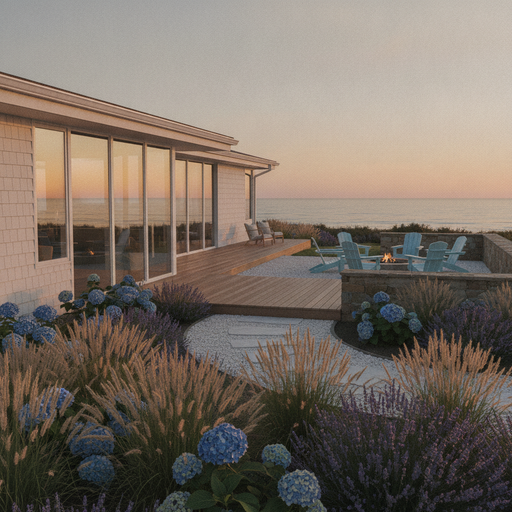
    Picture this: It is late Friday afternoon, and you have just turned the corner onto the salt-sprayed road leading to your home. As the car rolls to a stop, the first thing that greets you isn’t just the front door of your ranch house; it is a sensory experience. You hear the rhythmic rustle of ornamental grasses swaying in the Atlantic breeze. You smell the faint, honeyed scent of sea lavender. You see the warm, golden glow of the setting sun reflecting off weathered cedar and smooth river stones. This isn’t just a yard; it’s a sanctuary that bridges the gap between the rugged coastline and the comforts of home.

    Ranch-style homes, with their long, low profiles and horizontal silhouettes, possess a unique architectural charm. When situated near the coast, they offer the perfect canvas for landscaping that feels both grounded and airy. However, coastal landscaping isn’t just about planting a few palm trees and calling it a day. It is about storytelling through nature, using textures, colors, and resilient materials that can withstand the salt air while creating an inviting outdoor living space. In this guide, we will explore how to transform your coastal ranch into a breathtaking masterpiece.

    1. Designing for the Horizontal Canvas

    The defining feature of a ranch home is its single-story, sprawling footprint. From a landscaping perspective, this means you have a wide, horizontal canvas to work with. To keep the home from looking “flat” or swallowed by the horizon, you need to introduce vertical interest and layered depth. Think of your garden in three tiers: the ground cover, the mid-level shrubs, and the structural accents.

    Start by softening the long, straight lines of the house with curved garden beds. Instead of a rigid rectangular lawn, imagine a winding path made of crushed shells or pea gravel that leads the eye toward the entrance. By breaking up the symmetry, you create a more organic, “beach-found” aesthetic that feels natural rather than manufactured.

    2. Choosing the Right Palette: Salt-Tolerant Plants

    In a coastal environment, mother nature can be a tough critic. The salt spray, high winds, and sandy soil mean you need plants that are as tough as they are beautiful. The goal is to choose species that thrive in these conditions so your yard looks lush year-round without constant struggle.

    • Ornamental Grasses: These are the “heartbeat” of coastal landscaping. Varieties like Pink Muhly Grass, Blue Oat Grass, and Little Bluestem add movement and a soft, whistling sound when the wind picks up.
    • Pereials with Personality: Sea Lavender (Limonium), Russian Sage, and Blanket Flower (Gaillardia) offer pops of color while being remarkably drought-resistant and salt-tolerant.
    • The Classic Hydrangea: For that iconic Cape Cod or Hamptons look, nothing beats the Bigleaf Hydrangea. Their massive blue and purple blooms thrive in the moist, coastal air and provide a stuing contrast against a white or gray ranch exterior.
    • Evergreen Structure: Use Shore Junipers or Bayberry shrubs to provide year-round greenery and windbreaks. These plants act as the “bones” of your garden when the seasonal flowers fade.

    3. The Art of Hardscaping: Natural and Weathered Materials

    Hardscaping refers to the non-living elements of your landscape—the paths, walls, and decks. For a coastal ranch, the mantra is “natural and weathered.” You want materials that look like they have been there for decades, polished by the sea and sun. Avoid shiny, overly modern pavers that clash with the relaxed vibe of the coast.

    Consider using reclaimed wood for your decking. Ipe or Cedar are excellent choices because they naturally silver over time, matching the graying tones of seaside driftwood. For walkways, crushed oyster shells are a quintessentially coastal choice. Not only do they provide a satisfying “crunch” underfoot, but their bright white color also helps illuminate the garden paths during the twilight hours.

    Stone walls should feel rustic. Use local fieldstone or stacked slate to create low-profile retaining walls that mimic the rocky outcroppings found along the shore. These walls can also serve as “seat walls” around a fire pit, encouraging family and friends to gather on cool evenings.

    4. Creating Seamless Indoor-Outdoor Flow

    One of the greatest strengths of the ranch home is its coection to the outdoors. Most ranch designs feature large sliding glass doors or “L-shaped” layouts that hug a central patio. Your landscaping should treat the outdoors as an extension of your living room.

    To achieve this, level your patio with your interior floor. When the doors are open, the transition should feel invisible. Use large-format natural stone tiles that mimic the color of your interior flooring to blur the lines between inside and out. To add a touch of “cozy,” incorporate a pergola draped in climbing vines like Jasmine or Wisteria. This provides dappled shade during the hot afternoon sun while creating an intimate “ceiling” for your outdoor dining area.

    5. The Coastal Fire Pit: The Heart of the Garden

    Every coastal ranch needs a focal point for the evening. There is something deeply primal and relaxing about sitting by a fire while listening to the waves in the distance. Instead of a standard metal fire bowl, consider a built-in stone fire pit surrounded by Adirondack chairs in soft “sea glass” colors like pale blue, mint green, and sandy beige.

    Position your fire pit in a spot that offers a clear view of the sunset or the ocean. Surround the area with a thick layer of beach sand or smooth river pebbles to reinforce the seaside theme. This becomes the “storytelling” hub of the home, where memories are made over toasted marshmallows and shared stories.

    6. Lighting: Capturing the Evening Glow

    As the sun dips below the horizon, your landscaping should take on a new life. Coastal lighting should be subtle and warm. Avoid harsh floodlights that kill the atmosphere. Instead, use “path lights” tucked into the grasses to create a soft glow along the walkways. Up-lighting a sculptural piece of driftwood or a particularly beautiful tree can create dramatic shadows and add depth to the yard after dark.

    Solar-powered lanterns hanging from porch eaves or tree branches add a whimsical, “nautical” touch. The goal is to mimic the soft, amber light of a lighthouse or a campfire, keeping the environment tranquil and serene.

    7. Low-Maintenance Xeriscaping for the Busy Homeowner

    The best coastal ranch landscaping is the kind that lets you spend more time in a hammock and less time with a lawnmower. Xeriscaping—a method of landscaping that reduces or eliminates the need for irrigation—is perfect for the coast. By using native plants and organic mulches, you create a self-sustaining ecosystem.

    Replace large, thirsty lawns with “meadow” zones filled with native wildflowers and grasses. Not only does this look more authentic to the coastal environment, but it also attracts local pollinators like butterflies and birds. Use a thick layer of cedar mulch or pine needles in garden beds to retain moisture and suppress weeds, giving you more time to enjoy the salt air.

    Conclusion: Your Personal Seaside Sanctuary

    Transforming a coastal ranch isn’t just about adding curb appeal; it’s about creating a lifestyle. It is about crafting a space that feels like a permanent vacation—a place where the boundaries between the natural world and your private home melt away. By choosing resilient, salt-tolerant plants, embracing natural materials, and designing for comfort and flow, you can turn your property into a true seaside sanctuary.

    Whether you are sipping your morning coffee while watching the fog roll in or hosting a summer barbecue under the stars, your coastal landscape will be the backdrop for a life well-lived. So, grab a shovel, find some local inspiration at the beach, and start building the coastal retreat of your dreams.

  • The Golden State of Living: Modern California Home Architecture Ideas for a Dream Lifestyle

    The Golden State of Living: Modern California Home Architecture Ideas for a Dream Lifestyle

    The Evolution of the California Dream

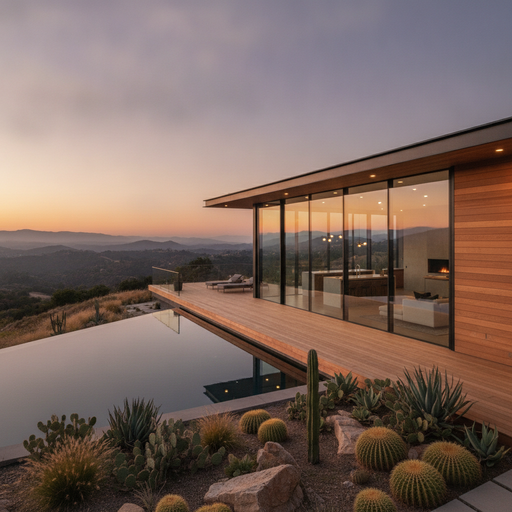
    Imagine waking up to the soft glow of the morning sun filtering through a wall made entirely of glass. You step out of bed, slide open a massive pocket door, and find yourself not in a hallway, but on a cedar-planked deck overlooking a canyon of sagebrush and oak trees. There is no line where the house ends and the earth begins. This is the quintessential California modern lifestyle—a philosophy of living that prioritizes light, air, and an unbreakable coection to the landscape.

    California architecture has always been a laboratory for iovation. From the clay-tiled roofs of Spanish Colonial Revivals to the minimalist steel frames of the Case Study Houses, the state has long dictated how we think about “the home.” Today, modern California architecture is undergoing another revolution. It is no longer just about looking sleek; it is about sustainability, wellness, and the art of “living small” even in expansive spaces. Whether you are building from scratch or looking to renovate your current space, these modern architectural ideas capture the spirit of the West Coast.

    The Seamless Indoor-Outdoor Transition

    If there is one hallmark of modern California design, it is the rejection of the traditional “box” house. In the Golden State, the outdoors is treated as an extra room—often the most important one. Architects today are using engineering marvels like multi-slide door systems that disappear entirely into the walls, effectively removing the barrier between the living room and the patio.

    To achieve this look, designers often use continuous flooring materials. Imagine a polished concrete floor that starts in your kitchen and extends all the way to your pool deck. By using the same material and color palette inside and out, the eye is tricked into seeing a much larger, more cohesive space. This isn’t just about aesthetics; it’s about a lifestyle that encourages you to step outside, breathe the coastal air, and live in rhythm with nature.

    Designing the Modern “Great Room”

    The “Great Room” is the heart of the modern California home. It combines the kitchen, dining area, and living space into one open-concept sanctuary. Instead of walls, architects use subtle cues to define spaces—a change in ceiling height, a floating fireplace, or a strategically placed kitchen island. This layout fosters social coection, ensuring that whether you are cooking dier or lounging on the sofa, you are part of the same shared experience.

    Honoring Materials: The Raw and the Refined

    Modern California architecture has moved away from the cold, sterile feel of 1990s minimalism. Today, the focus is on “Organic Modernism.” This style relies on a rich palette of natural materials that provide warmth and texture. It is about celebrating the honesty of the materials themselves.

    • Western Red Cedar: Often used for exterior siding or interior ceiling accents, cedar adds a warm, honey-toned glow that softens the sharp lines of modern architecture.
    • Board-Formed Concrete: This technique leaves the texture of wooden planks on the surface of the concrete, creating a look that is both industrial and organic.
    • Black Steel: Used for window frames and structural beams, black steel provides a sophisticated contrast to light-colored wood and white walls.
    • Natural Stone: Whether it’s a limestone accent wall or a travertine floor, stone coects the home to the rugged California terrain.

    By layering these materials, architects create homes that feel grounded. A modern home in the Hollywood Hills might feature heavy concrete walls for privacy, balanced by delicate glass and warm oak floors that make the interior feel light and airy.

    The Mastery of Natural Light and Shadow

    Light is the most important “building material” in California. The state’s unique climate—with its long, suy days and golden-hour sunsets—is something architects design around specifically. This goes beyond just having large windows; it’s about the choreography of light.

    Clerestory windows—small, horizontal windows placed high on a wall—are a staple of California modernism. They allow light to flood into the center of a room while maintaining privacy from neighbors. Similarly, skylights and light wells are used to illuminate bathrooms and hallways that might otherwise be dark. Designers also play with shadows, using pergolas or slatted wooden screens that create shifting patterns on the floor as the sun moves across the sky, turning the house into a living sundial.

    Sustainable Luxury: Building for the Future

    In a state where climate change and water conservation are top-of-mind, modern architecture has become synonymous with sustainability. But today’s eco-friendly homes don’t look like “green” experiments; they are masterpieces of luxury. This is the era of the high-performance home.

    Flat roofs are now frequently designed as “green roofs” covered in drought-tolerant succulents, which provide natural insulation and manage stormwater. Solar panels are no longer bulky eyesores; they are integrated directly into the roofline or used to power hidden battery systems like the Tesla Powerwall. Furthermore, xeriscaping—landscaping with native, water-wise plants like agave, lavender, and California poppies—has replaced the thirsty green lawn, creating a garden that feels like a natural extension of the wild landscape.

    The Rise of the ADU: Flexibility in Design

    As California’s housing needs evolve, so does the architecture. The Accessory Dwelling Unit (ADU), or “gray flat,” has become a key feature of modern home design. These secondary structures are often built in the same architectural style as the main house, serving as a guest suite, a home office, or a creative studio.

    The modern ADU reflects a shift toward multi-generational living and the “work from home” culture. Architects are designing these spaces with the same level of care as the primary residence, often featuring lofted ceilings and private outdoor niches. This flexibility allows a home to grow and change with its occupants, proving that modern architecture is as much about function as it is about form.

    Conclusion: Crafting Your Own Sanctuary

    Modern California home architecture is more than just a collection of design trends; it is a celebration of a specific way of life. It’s about stripping away the uecessary and focusing on what truly matters: the light, the view, and the people we share our space with. Whether you are inspired by the rugged coastline of Big Sur or the mid-century charm of Palm Springs, the core principles remain the same.

    By embracing natural materials, blurring the lines between inside and out, and prioritizing sustainable practices, you can create a home that feels both timeless and cutting-edge. California architecture teaches us that a house shouldn’t just be a place where we live—it should be a place where we feel most alive.

  • The Golden State of Living: Modern California Home Architecture Ideas for a Dream Lifestyle

    The Golden State of Living: Modern California Home Architecture Ideas for a Dream Lifestyle

    The Evolution of the California Dream

    Imagine waking up to the soft glow of the morning sun filtering through a wall made entirely of glass. You step out of bed, slide open a massive pocket door, and find yourself not in a hallway, but on a cedar-planked deck overlooking a canyon of sagebrush and oak trees. There is no line where the house ends and the earth begins. This is the quintessential California modern lifestyle—a philosophy of living that prioritizes light, air, and an unbreakable coection to the landscape.

    California architecture has always been a laboratory for iovation. From the clay-tiled roofs of Spanish Colonial Revivals to the minimalist steel frames of the Case Study Houses, the state has long dictated how we think about “the home.” Today, modern California architecture is undergoing another revolution. It is no longer just about looking sleek; it is about sustainability, wellness, and the art of “living small” even in expansive spaces. Whether you are building from scratch or looking to renovate your current space, these modern architectural ideas capture the spirit of the West Coast.

    The Seamless Indoor-Outdoor Transition

    If there is one hallmark of modern California design, it is the rejection of the traditional “box” house. In the Golden State, the outdoors is treated as an extra room—often the most important one. Architects today are using engineering marvels like multi-slide door systems that disappear entirely into the walls, effectively removing the barrier between the living room and the patio.

    To achieve this look, designers often use continuous flooring materials. Imagine a polished concrete floor that starts in your kitchen and extends all the way to your pool deck. By using the same material and color palette inside and out, the eye is tricked into seeing a much larger, more cohesive space. This isn’t just about aesthetics; it’s about a lifestyle that encourages you to step outside, breathe the coastal air, and live in rhythm with nature.

    Designing the Modern “Great Room”

    The “Great Room” is the heart of the modern California home. It combines the kitchen, dining area, and living space into one open-concept sanctuary. Instead of walls, architects use subtle cues to define spaces—a change in ceiling height, a floating fireplace, or a strategically placed kitchen island. This layout fosters social coection, ensuring that whether you are cooking dier or lounging on the sofa, you are part of the same shared experience.

    Honoring Materials: The Raw and the Refined

    Modern California architecture has moved away from the cold, sterile feel of 1990s minimalism. Today, the focus is on “Organic Modernism.” This style relies on a rich palette of natural materials that provide warmth and texture. It is about celebrating the honesty of the materials themselves.

    • Western Red Cedar: Often used for exterior siding or interior ceiling accents, cedar adds a warm, honey-toned glow that softens the sharp lines of modern architecture.
    • Board-Formed Concrete: This technique leaves the texture of wooden planks on the surface of the concrete, creating a look that is both industrial and organic.
    • Black Steel: Used for window frames and structural beams, black steel provides a sophisticated contrast to light-colored wood and white walls.
    • Natural Stone: Whether it’s a limestone accent wall or a travertine floor, stone coects the home to the rugged California terrain.

    By layering these materials, architects create homes that feel grounded. A modern home in the Hollywood Hills might feature heavy concrete walls for privacy, balanced by delicate glass and warm oak floors that make the interior feel light and airy.

    The Mastery of Natural Light and Shadow

    Light is the most important “building material” in California. The state’s unique climate—with its long, suy days and golden-hour sunsets—is something architects design around specifically. This goes beyond just having large windows; it’s about the choreography of light.

    Clerestory windows—small, horizontal windows placed high on a wall—are a staple of California modernism. They allow light to flood into the center of a room while maintaining privacy from neighbors. Similarly, skylights and light wells are used to illuminate bathrooms and hallways that might otherwise be dark. Designers also play with shadows, using pergolas or slatted wooden screens that create shifting patterns on the floor as the sun moves across the sky, turning the house into a living sundial.

    Sustainable Luxury: Building for the Future

    In a state where climate change and water conservation are top-of-mind, modern architecture has become synonymous with sustainability. But today’s eco-friendly homes don’t look like “green” experiments; they are masterpieces of luxury. This is the era of the high-performance home.

    Flat roofs are now frequently designed as “green roofs” covered in drought-tolerant succulents, which provide natural insulation and manage stormwater. Solar panels are no longer bulky eyesores; they are integrated directly into the roofline or used to power hidden battery systems like the Tesla Powerwall. Furthermore, xeriscaping—landscaping with native, water-wise plants like agave, lavender, and California poppies—has replaced the thirsty green lawn, creating a garden that feels like a natural extension of the wild landscape.

    The Rise of the ADU: Flexibility in Design

    As California’s housing needs evolve, so does the architecture. The Accessory Dwelling Unit (ADU), or “gray flat,” has become a key feature of modern home design. These secondary structures are often built in the same architectural style as the main house, serving as a guest suite, a home office, or a creative studio.

    The modern ADU reflects a shift toward multi-generational living and the “work from home” culture. Architects are designing these spaces with the same level of care as the primary residence, often featuring lofted ceilings and private outdoor niches. This flexibility allows a home to grow and change with its occupants, proving that modern architecture is as much about function as it is about form.

    Conclusion: Crafting Your Own Sanctuary

    Modern California home architecture is more than just a collection of design trends; it is a celebration of a specific way of life. It’s about stripping away the uecessary and focusing on what truly matters: the light, the view, and the people we share our space with. Whether you are inspired by the rugged coastline of Big Sur or the mid-century charm of Palm Springs, the core principles remain the same.

    By embracing natural materials, blurring the lines between inside and out, and prioritizing sustainable practices, you can create a home that feels both timeless and cutting-edge. California architecture teaches us that a house shouldn’t just be a place where we live—it should be a place where we feel most alive.

  • The Great California Housing Hunt: Why the Golden State Remains the Ultimate Real Estate Destination

    The Great California Housing Hunt: Why the Golden State Remains the Ultimate Real Estate Destination

    The Timeless Allure of the Golden State

    Imagine standing on a sun-drenched cliff in Malibu, the salt air misting your face as the Pacific waves crash below. Or perhaps you’re walking through the tech-infused streets of Palo Alto, where the next world-changing iovation is being coded in a garage just blocks away. This is the California Dream—a blend of natural majesty, economic powerhouse status, and a lifestyle that millions across the globe still yearn for. Despite the headlines about “exoduses” and rising costs, the reality on the ground tells a much more complex and fascinating story: California’s residential housing demand remains one of the most resilient forces in the global real estate market.

    To understand why people are still clamoring for a piece of California, we have to look past the surface-level statistics. We have to look at the stories of families moving from the Midwest for the year-round sunshine, the young professionals chasing high-six-figure salaries in Silicon Valley, and the retirees who refuse to spend their golden years anywhere else but the Central Coast. The demand for housing in California isn’t just about four walls and a roof; it’s about access to an ecosystem that simply caot be replicated anywhere else in the world.

    The Economic Engine Driving the Demand

    At the heart of California’s housing hunger is its sheer economic might. If California were a country, it would boast the fifth-largest economy in the world, recently overtaking India and snapping at the heels of Germany. This isn’t just about movies and apps; it’s about agriculture, aerospace, biotechnology, and green energy. When an economy is this diverse and this powerful, it creates a massive, high-paying job market that acts as a magnet for talent.

    For every headline about a company moving its headquarters to Texas or Florida, there are dozens of startups being born in the Bay Area and Los Angeles. These companies need workers, and those workers need homes. This high-earning demographic creates a “floor” for the housing market. Even when interest rates fluctuate, the concentration of wealth in sectors like Big Tech and Entertainment ensures that there is always a pool of buyers ready to compete for limited inventory. This economic gravity is the primary reason why residential demand stays high even when affordability becomes a challenge.

    The Supply-Demand Paradox: A Story of Scarcity

    If you’ve ever tried to buy a home in California, you know it feels like a high-stakes game of musical chairs where there are 100 people and only 10 chairs. The fundamental issue facing the state is a chronic under-supply of housing. For decades, California has failed to build enough units to keep up with its population growth and the changing needs of its residents.

    Several factors contribute to this scarcity. First, there is the geography. Many of California’s most desirable areas are hemmed in by mountains on one side and the ocean on the other, leaving little room for sprawl. Second, there are the regulatory hurdles. From strict zoning laws to the California Environmental Quality Act (CEQA), the process of getting a new housing development approved can take years, if not decades. This “artificial” scarcity keeps prices high and ensures that whenever a quality home hits the market, the demand is instantaneous and often overwhelming.

    The Rise of the “Inland Empire” and Coastal Sprawl

    Interestingly, the demand hasn’t just stayed in the expensive coastal hubs. In recent years, we’ve seen a massive shift toward inland regions like Riverside and San Bernardino counties, collectively known as the Inland Empire. As prices in Los Angeles and Orange County soared, middle-class families began looking eastward for more space and “bang for their buck.”

    This shift has transformed formerly sleepy commuter towns into bustling suburban centers. The demand here is driven by a different narrative: the search for the suburban dream. Large backyards, modern school districts, and community parks are the draw. However, even these inland areas are now seeing a surge in prices as the demand ripples out from the coast, proving that the desire for California living is a statewide phenomenon, not just a coastal one.

    The Post-Pandemic Shift: Redefining the California Home

    The COVID-19 pandemic changed the way we think about our living spaces, and nowhere was this more evident than in California. Before 2020, a “good location” meant being within a 30-minute commute of the office. Today, for many, the office is the spare bedroom or a nook in the living room. This shift toward remote and hybrid work has reshaped housing demand in two significant ways.

    First, it fueled a demand for larger homes. People no longer wanted just a place to sleep; they wanted a home gym, a home office, and a backyard for outdoor dining. This “lifestyle-first” approach to real estate has kept the luxury market and the suburban market incredibly hot. Second, it allowed people to move to “lifestyle” destinations within the state that were previously too far for a daily commute. Areas like Lake Tahoe, the Coachella Valley, and the Central Coast saw a massive influx of buyers who brought their Bay Area and LA salaries with them, driving demand in regions that were once considered seasonal retreats.

    Legislative Hope: The Changing Face of Density

    State leaders have recognized that the demand for housing caot be met by single-family homes alone. In recent years, a wave of new legislation has been passed to address the supply side of the equation. Laws like SB 9 and SB 10 aim to end “exclusionary zoning” by making it easier to build duplexes and small multi-family units on lots that were previously reserved for single homes.

    Furthermore, the explosion of Accessory Dwelling Units (ADUs), often called “gray flats,” has provided a new way to meet housing demand. Homeowners are now turning their garages or backyards into rental units, providing much-needed “gentle density” in established neighborhoods. While these changes take time to manifest in the market, they represent a fundamental shift in how California plans to house its future residents. The demand is there; the state is finally trying to find modern ways to meet it.

    Why Investors Are Still Betting on California

    From a purely financial perspective, California residential real estate remains a crown jewel for investors. While other markets might offer higher immediate cash flow, California is the king of appreciation. Historically, property values in the state have outpaced much of the country over the long term. This makes California real estate a preferred “store of value” for domestic and international investors alike.

    Institutional investors and mom-and-pop landlords see the high demand and low supply as a guarantee of future value. They understand that as long as the weather is beautiful, the jobs are high-paying, and the lifestyle is aspirational, people will pay a premium to live here. This investment demand competes with individual buyers, further tightening the market and ensuring that the competition for homes remains fierce.

    Conclusion: The Resilience of the California Dream

    As we look toward the future, it’s clear that California’s residential housing demand isn’t going anywhere. The state is currently in a period of transition, navigating the complexities of affordability, remote work, and legislative reform. However, the underlying fundamentals—the climate, the economy, and the culture—remain as strong as ever.

    The “Golden State” still holds its luster. For the young tech worker, the growing family, and the savvy investor, California represents more than just a real estate market; it represents a land of opportunity and a lifestyle that defines the modern American experience. While the hunt for a home in California might be challenging, the rewards of living in one of the most vibrant places on Earth continue to far outweigh the hurdles for millions of people. The demand is a testament to the state’s enduring appeal: everyone, it seems, still wants their own piece of the California sun.

  • The Great California Housing Hunt: Why the Golden State Remains the Ultimate Real Estate Destination

    The Great California Housing Hunt: Why the Golden State Remains the Ultimate Real Estate Destination

    The Timeless Allure of the Golden State

    Imagine standing on a sun-drenched cliff in Malibu, the salt air misting your face as the Pacific waves crash below. Or perhaps you’re walking through the tech-infused streets of Palo Alto, where the next world-changing iovation is being coded in a garage just blocks away. This is the California Dream—a blend of natural majesty, economic powerhouse status, and a lifestyle that millions across the globe still yearn for. Despite the headlines about “exoduses” and rising costs, the reality on the ground tells a much more complex and fascinating story: California’s residential housing demand remains one of the most resilient forces in the global real estate market.

    To understand why people are still clamoring for a piece of California, we have to look past the surface-level statistics. We have to look at the stories of families moving from the Midwest for the year-round sunshine, the young professionals chasing high-six-figure salaries in Silicon Valley, and the retirees who refuse to spend their golden years anywhere else but the Central Coast. The demand for housing in California isn’t just about four walls and a roof; it’s about access to an ecosystem that simply caot be replicated anywhere else in the world.

    The Economic Engine Driving the Demand

    At the heart of California’s housing hunger is its sheer economic might. If California were a country, it would boast the fifth-largest economy in the world, recently overtaking India and snapping at the heels of Germany. This isn’t just about movies and apps; it’s about agriculture, aerospace, biotechnology, and green energy. When an economy is this diverse and this powerful, it creates a massive, high-paying job market that acts as a magnet for talent.

    For every headline about a company moving its headquarters to Texas or Florida, there are dozens of startups being born in the Bay Area and Los Angeles. These companies need workers, and those workers need homes. This high-earning demographic creates a “floor” for the housing market. Even when interest rates fluctuate, the concentration of wealth in sectors like Big Tech and Entertainment ensures that there is always a pool of buyers ready to compete for limited inventory. This economic gravity is the primary reason why residential demand stays high even when affordability becomes a challenge.

    The Supply-Demand Paradox: A Story of Scarcity

    If you’ve ever tried to buy a home in California, you know it feels like a high-stakes game of musical chairs where there are 100 people and only 10 chairs. The fundamental issue facing the state is a chronic under-supply of housing. For decades, California has failed to build enough units to keep up with its population growth and the changing needs of its residents.

    Several factors contribute to this scarcity. First, there is the geography. Many of California’s most desirable areas are hemmed in by mountains on one side and the ocean on the other, leaving little room for sprawl. Second, there are the regulatory hurdles. From strict zoning laws to the California Environmental Quality Act (CEQA), the process of getting a new housing development approved can take years, if not decades. This “artificial” scarcity keeps prices high and ensures that whenever a quality home hits the market, the demand is instantaneous and often overwhelming.

    The Rise of the “Inland Empire” and Coastal Sprawl

    Interestingly, the demand hasn’t just stayed in the expensive coastal hubs. In recent years, we’ve seen a massive shift toward inland regions like Riverside and San Bernardino counties, collectively known as the Inland Empire. As prices in Los Angeles and Orange County soared, middle-class families began looking eastward for more space and “bang for their buck.”

    This shift has transformed formerly sleepy commuter towns into bustling suburban centers. The demand here is driven by a different narrative: the search for the suburban dream. Large backyards, modern school districts, and community parks are the draw. However, even these inland areas are now seeing a surge in prices as the demand ripples out from the coast, proving that the desire for California living is a statewide phenomenon, not just a coastal one.

    The Post-Pandemic Shift: Redefining the California Home

    The COVID-19 pandemic changed the way we think about our living spaces, and nowhere was this more evident than in California. Before 2020, a “good location” meant being within a 30-minute commute of the office. Today, for many, the office is the spare bedroom or a nook in the living room. This shift toward remote and hybrid work has reshaped housing demand in two significant ways.

    First, it fueled a demand for larger homes. People no longer wanted just a place to sleep; they wanted a home gym, a home office, and a backyard for outdoor dining. This “lifestyle-first” approach to real estate has kept the luxury market and the suburban market incredibly hot. Second, it allowed people to move to “lifestyle” destinations within the state that were previously too far for a daily commute. Areas like Lake Tahoe, the Coachella Valley, and the Central Coast saw a massive influx of buyers who brought their Bay Area and LA salaries with them, driving demand in regions that were once considered seasonal retreats.

    Legislative Hope: The Changing Face of Density

    State leaders have recognized that the demand for housing caot be met by single-family homes alone. In recent years, a wave of new legislation has been passed to address the supply side of the equation. Laws like SB 9 and SB 10 aim to end “exclusionary zoning” by making it easier to build duplexes and small multi-family units on lots that were previously reserved for single homes.

    Furthermore, the explosion of Accessory Dwelling Units (ADUs), often called “gray flats,” has provided a new way to meet housing demand. Homeowners are now turning their garages or backyards into rental units, providing much-needed “gentle density” in established neighborhoods. While these changes take time to manifest in the market, they represent a fundamental shift in how California plans to house its future residents. The demand is there; the state is finally trying to find modern ways to meet it.

    Why Investors Are Still Betting on California

    From a purely financial perspective, California residential real estate remains a crown jewel for investors. While other markets might offer higher immediate cash flow, California is the king of appreciation. Historically, property values in the state have outpaced much of the country over the long term. This makes California real estate a preferred “store of value” for domestic and international investors alike.

    Institutional investors and mom-and-pop landlords see the high demand and low supply as a guarantee of future value. They understand that as long as the weather is beautiful, the jobs are high-paying, and the lifestyle is aspirational, people will pay a premium to live here. This investment demand competes with individual buyers, further tightening the market and ensuring that the competition for homes remains fierce.

    Conclusion: The Resilience of the California Dream

    As we look toward the future, it’s clear that California’s residential housing demand isn’t going anywhere. The state is currently in a period of transition, navigating the complexities of affordability, remote work, and legislative reform. However, the underlying fundamentals—the climate, the economy, and the culture—remain as strong as ever.

    The “Golden State” still holds its luster. For the young tech worker, the growing family, and the savvy investor, California represents more than just a real estate market; it represents a land of opportunity and a lifestyle that defines the modern American experience. While the hunt for a home in California might be challenging, the rewards of living in one of the most vibrant places on Earth continue to far outweigh the hurdles for millions of people. The demand is a testament to the state’s enduring appeal: everyone, it seems, still wants their own piece of the California sun.

  • The Hidden Gem of Florida Real Estate: Why Manufactured Homes in Palm Beach Are a Genius Investment

    The Hidden Gem of Florida Real Estate: Why Manufactured Homes in Palm Beach Are a Genius Investment

    The Palm Beach Paradox: High Style Meets Affordable Opportunities

    Picture this: the golden Florida sun is dipping below the horizon, painting the sky in hues of violet and orange. You are sitting on a breezy porch, sipping a cool drink, only minutes away from the world-class dining of Worth Avenue and the pristine Atlantic beaches. For most people, this dream comes with a multi-million dollar price tag that feels entirely out of reach. But what if I told you there was a “backdoor” into one of the most prestigious zip codes in the United States?

    Welcome to the world of manufactured home investing in Palm Beach. For decades, these properties were overlooked by serious investors, shrouded in outdated stigmas of the “trailer parks” of the 1970s. However, the landscape has shifted dramatically. Today, manufactured homes in Palm Beach County represent a sophisticated, high-yield opportunity that combines the lifestyle of the rich and famous with an entry point that actually makes financial sense. Whether you are looking for a high-performing rental property or a personal vacation retreat that pays for itself, it’s time to look at the Palm Beach market through a different lens.

    Shattering the Stigma: The Modern Manufactured Home

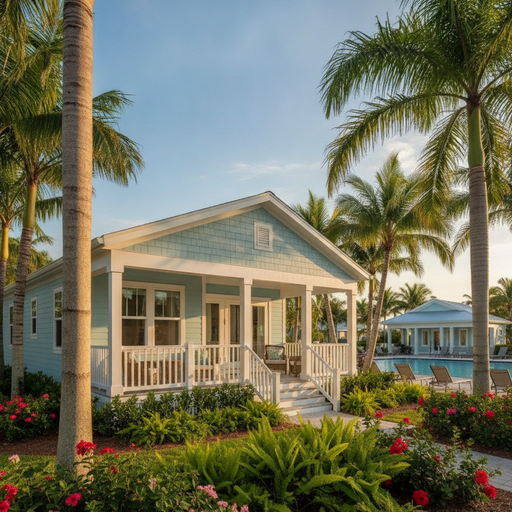
    Before we dive into the numbers, we need to address the elephant in the room. If you are imagining rusty metal boxes, you haven’t seen a modern manufactured home. Today’s units are built in climate-controlled factories under strict federal HUD codes. They feature granite countertops, stainless steel appliances, vaulted ceilings, and reinforced structures designed to withstand Florida’s hurricane seasons.

    In Palm Beach, many of these homes are located in manicured communities that feel more like resorts thaeighborhoods. Think heated swimming pools, pickleball courts, active clubhouses, and 24-hour security. When you invest in a manufactured home here, you aren’t just buying a structure; you are buying into a lifestyle that people from all over the world are willing to pay a premium for.

    The Investor’s Math: Why the Numbers Just Work

    Why are savvy investors suddenly flocking to this niche? It all comes down to the yield. In the world of traditional “sticks and bricks” real estate in Palm Beach, the barrier to entry is staggering. Even a modest condo can cost upwards of $400,000, and once you factor in high property taxes and astronomical HOA fees, your monthly cash flow often disappears.

    Manufactured homes operate on a different financial plane. You can often acquire a high-quality, pre-owned manufactured home in a desirable Palm Beach community for a fraction of the cost of a traditional home. Because your initial capital outlay is lower, your cash-on-cash return is significantly higher. In a market where long-term rentals are in high demand and short-term seasonal rentals can command thousands of dollars per week, the “math” of manufactured homes is hard to beat.

    • Lower Property Taxes: In many cases, if you don’t own the land (land-lease model), you pay a much lower personal property tax rather than traditional real estate taxes.
    • High Rental Demand: Florida is experiencing a massive influx of residents. Affordable housing is the scarcest commodity in the state, making your rental unit a hot commodity.
    • Maintenance Efficiency: Modern manufactured homes are often easier and cheaper to maintain than older traditional homes with aging foundations and complex structures.

    Land-Lease vs. Resident-Owned: Understanding Your Options

    When investing in Palm Beach, you will encounter two primary types of communities. Understanding the difference is crucial to your investment strategy.

    1. Land-Lease Communities

    In this scenario, you own the home, but you pay a monthly “lot rent” to the park owner. This fee typically covers trash pickup, lawn maintenance, and access to all community amenities. The advantage? A much lower purchase price. The disadvantage? You don’t benefit from the appreciation of the land itself. For many investors, the high monthly cash flow from rentals more than compensates for the lack of land ownership.

    2. Resident-Owned Communities (ROCs)

    Here, you own both the home and the land (or a share in the corporation that owns the land). These properties behave more like traditional real estate. They appreciate more aggressively and are easier to finance through traditional mortgages. While the entry price is higher, the long-term equity growth can be substantial in a high-demand area like Palm Beach.

    The “Silver Tsunami” and the 55+ Advantage

    Palm Beach is a magnet for retirees, a demographic trend often called the “Silver Tsunami.” Many of the best-manufactured home communities in the area are age-restricted (55+). For an investor, this is often a “cheat code” for success. Seniors are generally excellent tenants who take pride in their homes and stay for the long term. This demographic isn’t just looking for a place to live; they are looking for a community. If your investment property offers that sense of belonging, you will rarely face high turnover or vacancy rates.

    Key Locations to Watch in Palm Beach County

    Palm Beach County is massive, stretching from the glitz of the coast to the agricultural heartland. If you’re looking for the best investment spots, focus on these areas:

    • Boynton Beach & Delray Beach: These areas offer a perfect mix of “cool” factor and accessibility. Communities here are often just a short drive from Atlantic Avenue’s nightlife.
    • Jupiter & Palm Beach Gardens: Known for luxury and golf, manufactured homes here provide an affordable way to live near world-class amenities and “A-rated” infrastructure.
    • Lake Worth Beach: A more bohemian, artistic vibe where manufactured home communities are often hidden gems with a lot of character and proximity to the water.

    Navigating the Risks

    No investment is without risk. When looking at manufactured homes in Florida, you must do your due diligence regarding insurance and park rules. Ensuring the home is properly tied down to current hurricane standards is non-negotiable. Additionally, you must thoroughly vet the park management. A well-managed park protects your investment; a poorly managed one can diminish your property’s value. Always review the “Prospectus” of the park to understand how much they can raise the lot rent each year.

    Getting Started: Your Step-by-Step Plan

    If you are ready to jump in, don’t just buy the first home you see on the market. Follow these steps to ensure a profitable venture:

    Step 1: Define Your Strategy

    Are you looking for a “flip” (buying a dated unit, renovating it, and selling it) or a “buy and hold” for rental income? In Palm Beach, the rental market is particularly strong for renovated, “shabby-chic” units that appeal to the coastal aesthetic.

    Step 2: Secure Specialized Financing

    Traditional banks can be tricky with manufactured homes. Look for “chattel lenders” who specialize in these types of loans, or better yet, look for opportunities where you can pay cash to move quickly and negotiate a better price.

    Step 3: Network with Park Managers

    Often, the best deals never hit the MLS (Multiple Listing Service). Park managers often know who is looking to sell before a sign ever goes up in the yard. Building a relationship with them can give you an “insider” advantage.

    The Final Word

    Investing in Palm Beach manufactured homes isn’t just about finding a cheap house; it’s about identifying an undervalued asset in a high-value location. As the “Sunshine State” continues to grow and traditional housing prices reach the stratosphere, the demand for high-quality, affordable alternatives will only intensify. By moving past the old stereotypes and looking at the cold, hard numbers, you might just find that your best investment yet is a sun-drenched home with a modest footprint but a massive return.

    The secret is out, but the opportunity is still wide open. Palm Beach is calling—will you answer with a smart investment?

  • The Golden Shore: Why Florida Beachfront Real Estate is the Ultimate Lifestyle Investment

    The Golden Shore: Why Florida Beachfront Real Estate is the Ultimate Lifestyle Investment

    Imagine waking up to the rhythmic sound of the Atlantic or the Gulf of Mexico gently lapping against the shore. The first thing you smell isn’t the stale air of a city office, but the crisp, salty breeze of the ocean. You step out onto your balcony with a cup of coffee, watching the sun paint the sky in hues of tangerine and violet. This isn’t just a vacation—this is your life. This is the Florida beachfront lifestyle.

    For decades, Florida has been the siren song for retirees, remote workers, and savvy investors alike. But in recent years, the conversation has shifted. It is no longer just about buying a “second home” or a place to park your money. It is about a “lifestyle investment”—a unique asset class where financial returns meet personal fulfillment and wellness. Investing in Florida beachfront property is a decision that feeds both the bank account and the soul.

    The Emotional ROI: More Than Just Square Footage

    When we talk about traditional investments, we usually focus on interest rates, cap rates, and equity. While those are vital, a beachfront property in the Sunshine State offers an “Emotional Return on Investment” (ROI) that a stock portfolio simply caot match. Living by the water has been scientifically proven to reduce stress levels and improve mental clarity—a phenomenon often referred to as the “Blue Mind” effect.

    In Florida, the lifestyle is built around the water. Whether it’s an early morning paddleboard session in Destin, a sunset stroll on the white sands of Siesta Key, or a high-stakes fishing trip in the Florida Keys, the ocean becomes your backyard. This lifestyle fosters a sense of community among like-minded individuals who value health, outdoors, and a slower pace of life. When you invest here, you are purchasing a front-row seat to nature’s greatest show, every single day.

    Why Florida? The Economic Powerhouse of the South

    Beyond the palm trees and sunsets, Florida’s economic landscape makes it a formidable contender for any investor’s portfolio. The state has consistently seen some of the highest population growth rates in the United States. People are “voting with their feet,” moving away from high-tax, cold-weather states in favor of Florida’s business-friendly environment.

    • No State Income Tax: One of the biggest draws is Florida’s lack of state income tax. This allows residents to keep more of their earnings, which often translates into more purchasing power for luxury real estate.
    • Strong Rental Market: Florida remains one of the top tourism destinations in the world. Beachfront properties are pereial favorites on platforms like Airbnb and VRBO, allowing owners to generate significant passive income when they aren’t using the home themselves.
    • Appreciation Potential: Land is a finite resource, and beachfront land is the most finite of all. As the population grows and available coastline stays the same, the scarcity of these properties continues to drive long-term value.

    Choosing Your Coast: Atlantic vs. Gulf

    Florida offers two very distinct beachfront experiences, and your choice depends on the “vibe” you want for your lifestyle investment. The Atlantic Coast, stretching from Miami up to Amelia Island, is known for its energy. Here, the waves are bigger, the water is a deep blue, and the lifestyle is often fast-paced. Miami Beach offers world-class nightlife and art, while the Palm Beaches offer a sophisticated, old-world luxury.

    On the other side, the Gulf Coast—home to places like Naples, Sarasota, and Clearwater—is famous for its calm, turquoise waters and powdery white sand. The sunsets over the Gulf are legendary, casting a golden glow over everything. This side of the state tends to attract those looking for a more relaxed, “resort-style” living experience. For an investor, the Gulf Coast often sees incredibly high demand for family-friendly vacation rentals, whereas the Atlantic Coast might attract more international business travelers and luxury seekers.

    The Rise of the “Work-From-Beach” Era

    The pandemic changed the way we think about the “office.” Remote work is no longer a perk; for many, it’s a permanent reality. This shift has supercharged the Florida beachfront market. Professionals who were once tethered to New York, Chicago, or San Francisco are realizing they can attend Zoom calls just as easily from a terrace overlooking the ocean.

    This “laptop lifestyle” has turned seasonal vacation towns into year-round vibrant communities. This is great news for investors because it stabilizes the local economy and ensures that amenities—restaurants, high-end shopping, and healthcare—are top-tier and available all year long. You aren’t just buying a house; you’re joining a thriving ecosystem of modern professionals and entrepreneurs.

    Navigating the Challenges: Resilience and Insurance

    Of course, no investment is without risk. When buying beachfront in Florida, one must consider the realities of coastal living. This includes the cost of flood and wind insurance, as well as the importance of modern, hurricane-resilient construction. Smart investors look for properties built to current Florida Building Codes, which are among the strictest in the world.

    Many new luxury developments are now incorporating elevated foundations, impact-resistant glass, and advanced drainage systems. While the initial investment might be higher, these features provide peace of mind and help maintain the property’s value against the elements. Working with a local real estate expert who understands the nuances of coastal mitigation is essential for a successful long-term strategy.

    The Vacation Rental Strategy: Making the Home Pay for Itself

    One of the most attractive aspects of the Florida beachfront lifestyle is the ability to offset ownership costs. Many owners choose a “hybrid” model: they live in the property during the beautiful winter months (the “Snowbird” season) and rent it out during the high-demand summer months.

    Because beachfront property is always in demand, these rentals often command premium rates. It is not uncommon for a well-managed property in a prime location like 30A or Fort Lauderdale to cover its own mortgage, taxes, and maintenance fees through rental income alone. This allows the investor to build equity while enjoying a luxury lifestyle for a fraction of the cost.

    Conclusion: Crafting Your Future in the Sun

    Investing in Florida beachfront real estate is about more than just numbers on a spreadsheet. It is a commitment to a better quality of life. It’s about having a place where your family can gather for generations, where your “commute” is a walk on the sand, and where your wealth grows alongside your well-being.

    While the market will always have its ebbs and flows, the allure of the Florida coast remains constant. It is a limited resource that offers an unparalleled mix of tax advantages, rental potential, and sheer natural beauty. If you are looking for an investment that you can actually enjoy—an investment that you can touch, feel, and live in—there is no better place to drop anchor than the Florida shore.