Tag: affordable housing florida

  • Sun, Sand, and Community: Why Florida’s Mobile Home Park Lifestyle is the Ultimate Hidden Gem

    Sun, Sand, and Community: Why Florida’s Mobile Home Park Lifestyle is the Ultimate Hidden Gem

    The Morning Glow of the Sunshine State

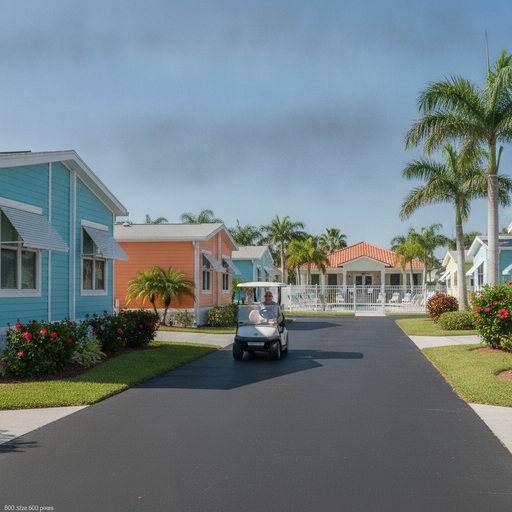
    Imagine waking up to the gentle rustle of palm fronds outside your window. The air is warm, smelling faintly of salt and blooming jasmine. You step outside onto your screened-in porch—what Floridians affectionately call a lanai—with a steaming cup of coffee in hand. As you watch a neighbor zip by on a golf cart, waving with a genuine smile, you realize that this isn’t a high-priced luxury resort. This is the daily reality of mobile home park living in Florida, a lifestyle that is rapidly shedding old stereotypes and becoming one of the most sought-after ways to enjoy the American Dream.

    For decades, the “trailer park” label carried a certain stigma. But step into a modern Florida manufactured home community today, and you’ll find something entirely different. It’s a world of manicured lawns, vibrant social calendars, and a sense of belonging that is increasingly hard to find in traditional suburbaeighborhoods. Whether you are a retiree looking to stretch your pension or a digital nomad seeking a tropical home base, the Florida mobile home lifestyle offers a unique blend of affordability and high-quality living.

    Affordability Without Sacrifice

    One of the biggest drivers of the Florida mobile home movement is, unsurprisingly, the cost. With real estate prices skyrocketing across the country, particularly in coastal states, many people feel priced out of paradise. Mobile home parks provide a “loophole” to living in some of Florida’s most desirable areas without the million-dollar price tag.

    In these communities, you typically own the home but lease the land, or in some cases, you might own a share in the park itself. This significantly lowers your monthly mortgage or overhead costs. By spending less on your four walls, you suddenly find yourself with more “fun money” to spend on the things that actually make Florida living great: boat rentals, fresh seafood diers, and traveling to the nearby theme parks or white-sand beaches.

    Modern Homes for a Modern Age

    If you haven’t looked at a manufactured home lately, you might be surprised. Modern units feature open-concept floor plans, gourmet kitchens with granite countertops, walk-in closets, and high-end flooring. These aren’t the “tin cans” of the 1970s. They are built to strict HUD codes, designed to be energy-efficient, and often look indistinguishable from site-built homes once they are landscaped and skirted.

    The Heart of the Park: A Deep Sense of Community

    The secret sauce of Florida’s mobile home parks isn’t the houses themselves—it’s the people. There is an unspoken rule in these communities: no one is a stranger for long. Because the homes are closer together than in a traditional subdivision, and because people spend so much time outdoors, social interaction happens organically.

    Most parks feature a central clubhouse that serves as the “beating heart” of the neighborhood. On any given Tuesday, you might find a potluck dier, a high-stakes bingo game, or a craft club meeting. Many parks organize holiday parades, poolside BBQs, and even group cruises. For those moving from cold northern states where people stay indoors for six months of the year, this sudden infusion of social activity can be life-changing. It’s a place where neighbors look out for one another, where “borrowing a cup of sugar” is still a standard practice, and where you’re always invited to the party.

    Resort-Style Amenities on Your Doorstep

    When you buy into a Florida mobile home park, you aren’t just buying a house; you’re buying a membership to a club. The amenities offered in many of these parks rival those of upscale gated communities. It’s common to find:

    • Sparkling swimming pools and heated spas.
    • Professional-grade shuffleboard and pickleball courts.
    • Fitness centers and yoga studios.
    • Private boat ramps and fishing piers.
    • Woodworking shops and libraries.
    • Dog parks for your furry companions.

    Because these amenities are shared among the residents, the cost of maintenance is split, making it incredibly affordable to live a “resort life.” You can spend your morning doing water aerobics, your afternoon playing cards at the clubhouse, and your evening watching the sunset over a lake—all without leaving the gates of your community.

    55+ Communities vs. All-Age Parks

    Florida is famous for its 55+ “Active Adult” communities. These parks are specifically designed for retirees or those nearing retirement who want to live among their peers. They offer a quieter environment with activities tailored to an older demographic. However, there is also a rising trend in all-age mobile home parks. These communities are becoming popular with young families and professionals who value the safety and community spirit of a park but need to be close to schools and work. Both offer that classic Florida charm, but the “vibe” can differ significantly depending on the age demographic.

    Safety and Resilience: Debunking the Myths

    A common question people ask about mobile home living in Florida is: “What about the weather?” It’s a fair question given Florida’s hurricane history. However, it’s important to note that manufactured homes built after 1994 are subject to much stricter wind-load requirements. When properly installed and anchored, these homes are remarkably resilient.

    Furthermore, many parks have established emergency protocols and tight-knit networks. During a storm, neighbors check on the elderly, help shutter windows, and coordinate check-ins. There is a sense of “we’re all in this together” that provides a layer of security you might not find in a busy city center.

    Finding Your Perfect Slice of Paradise

    If you’re considering the jump into the Florida mobile home lifestyle, here are a few tips to help you find the right fit:

    • Visit at different times: A park that is quiet on a Monday morning might be a hub of activity on a Saturday night. Visit a few times to get a feel for the energy.
    • Talk to the residents: Most park residents are more than happy to share their experiences. Ask them about the management, the social life, and any hidden costs.
    • Check the rules: Every park has “Rules and Regulations.” Some are very strict about pet sizes, the color you can paint your home, or where you can park your boat. Make sure these rules align with your lifestyle.
    • Location is key: Do you want to be near the Gulf Coast with its calm waters, or the Atlantic side with its waves? Or perhaps central Florida, where the theme parks are just a short drive away?

    Conclusion: A Simpler, Suier Way of Life

    Living in a Florida mobile home park is about more than just saving money. It’s about reclaiming your time and focusing on what truly matters. It’s about trading a high-stress mortgage for a manageable lifestyle that leaves room for hobbies, friendships, and relaxation. It’s about the joy of a spontaneous golf cart ride to see the sunset and the comfort of knowing your neighbors have your back.

    Whether you’re looking for a seasonal escape from the snow or a permanent place to call home, the Florida mobile home lifestyle offers a warm, welcoming, and vibrant alternative to the traditional housing market. So, why wait for “someday”? The sun is shining, the pool is warm, and your new community is waiting to welcome you home.
  • The Hidden Paradise: Why South Florida Mobile Home Communities Are the Ultimate Lifestyle Hack

    The Hidden Paradise: Why South Florida Mobile Home Communities Are the Ultimate Lifestyle Hack

    Imagine waking up to the gentle rustle of palm fronds outside your window. The air is warm, carrying a hint of salt from the nearby Atlantic, and the sun is already casting a golden glow over a neighborhood where everyone knows your name. For many, this sounds like a multimillion-dollar dream reserved for the elite in Palm Beach or Miami Beach. But what if I told you there is a backdoor into this tropical paradise? A way to enjoy the Florida sunshine, the world-class fishing, and the vibrant culture without the crushing weight of a seven-figure mortgage?

    Welcome to the world of South Florida mobile home communities. Far from the outdated stereotypes of the past, these communities have evolved into vibrant, manicured, and highly sought-after neighborhoods. Whether you are a retiree looking for an active social life or a young professional seeking a beachside lifestyle on a budget, these communities offer a unique blend of affordability and luxury that is hard to find anywhere else in the Sunshine State.

    The Allure of the Tropics: Why South Florida?

    South Florida isn’t just a location; it’s a lifestyle. Stretching from the sophisticated streets of Jupiter down to the laid-back vibes of the Florida Keys, this region offers a climate that feels like a perpetual vacation. However, as the secret got out, real estate prices skyrocketed. This is where manufactured home communities—often referred to as mobile home parks—stepped in to fill the gap.

    Living in a South Florida mobile home community means you are often just minutes away from some of the best beaches in the world. You’re close to the Everglades, the nightlife of Las Olas Boulevard in Fort Lauderdale, and the luxury shopping of Boca Raton. By choosing a mobile home, residents trade square footage they don’t need for a location they absolutely love. It’s about spending less time cleaning a massive house and more time on a boat or at the community pool.

    Modern Living: Debunking the Myths

    If your idea of a mobile home comes from old movies, you’re in for a surprise. Modern manufactured homes in South Florida are feats of contemporary engineering. Many feature open-concept floor plans, granite countertops, stainless steel appliances, and spacious “Florida rooms” designed for indoor-outdoor living.

    The communities themselves are often more akin to resorts than traditional neighborhoods. It’s common to find gated entries, professionally landscaped grounds, and a suite of amenities that would put many high-end condos to shame. We are talking about heated swimming pools, pickleball courts, fitness centers, and clubhouses that host everything from Saturday night dances to morning yoga sessions. The “story” of these communities is one of coection and activity.

    Top Spots: From Palm Beach to Broward

    When looking for the perfect community, location is everything. South Florida offers a diverse range of neighborhoods, each with its own personality.

    • The Palm Beaches: Here, you’ll find some of the most upscale mobile home communities in the state. Many are 55+ age-restricted, offering a quiet, sophisticated atmosphere. Locations like Boynton Beach and Lake Worth provide easy access to high-end golf courses and the prestigious Worth Avenue.
    • Broward County: If you want to be in the heart of the action, Broward is the place. Communities in Davie or Pompano Beach offer a more central location. You’re halfway between Miami and Palm Beach, surrounded by incredible dining and entertainment options.
    • The Treasure Coast: Just a bit further north in Martin and St. Lucie counties, the pace slows down. These communities are often more affordable and offer a “Old Florida” feel, with plenty of opportunities for boating and fishing.

    The Practical Side: Land-Lease vs. Resident-Owned

    As you begin your journey into South Florida mobile home living, you’ll encounter two main types of ownership. Understanding the difference is key to making the right financial move. In a land-lease community, you own the home itself, but you pay a monthly fee to rent the lot it sits on. This fee usually covers amenities, trash removal, and sometimes basic cable or lawn care. This is often the most affordable way to get into a prime location.

    On the other hand, resident-owned communities (often structured as co-ops) allow you to own a share of the land. While the upfront cost is higher, your monthly fees are typically much lower because you aren’t paying rent to a landlord. For many long-term residents, the stability of owning a piece of the community is worth the initial investment.

    A Tight-Knit Social Fabric

    Perhaps the most unexpected benefit of moving into a South Florida mobile home community is the social life. In a traditional suburbaeighborhood, you might go years without knowing your neighbor’s last name. In these communities, life happens in the front yards and common areas.

    It’s a place where neighbors look out for one another. Whether it’s sharing a harvest of backyard mangoes or organizing a golf cart parade for the holidays, the sense of camaraderie is palpable. For many who move to Florida from the North, this instant social circle is the cure for the “relocation blues.” You aren’t just buying a roof over your head; you’re buying an invitation to a never-ending dier party.

    Safety and Resilience: Facing the Elements

    A common question for anyone moving to South Florida is: “What about the hurricanes?” It’s a valid concern. However, it’s important to know that manufactured homes built after 1994 are subject to much stricter HUD codes, specifically designed to withstand high-wind events. Many homes in these communities are outfitted with hurricane shutters and reinforced tie-down systems.

    Furthermore, the communities themselves often have well-established emergency plans. Because the residents are so close-knit, there is a “leave no one behind” mentality. From helping neighbors put up shutters to checking on the elderly after a storm, the community spirit provides a level of security that you won’t find in an isolated high-rise.

    Conclusion: Your Tropical Chapter Awaits

    Living in South Florida doesn’t have to be a pipe dream reserved for the wealthy. Mobile home communities offer a path to a lifestyle defined by sunshine, water, and friendship. It’s a choice to prioritize experiences over square footage and community over isolation.

    If you’re ready to trade your snow shovel for a pool skimmer, take a drive through some of these hidden gems. Talk to the residents, walk the piers, and see the sunset from a clubhouse deck. You might just find that the most affordable housing option in Florida is also the one that offers the richest life. The palm trees are waiting—are you ready to answer the call?

  • Investing in the Sunshine State: The Ultimate Guide to Mobile Home Park Ownership in Florida

    Investing in the Sunshine State: The Ultimate Guide to Mobile Home Park Ownership in Florida

    The Sun, The Sand, and The Steady Cash Flow

    Imagine sitting on a porch in Central Florida, the air thick with the scent of orange blossoms and the distant sound of a lawnmower humming. For many, this is the picture of a quiet retirement. But for a growing number of savvy investors, this scene represents something far more lucrative: a high-yield, recession-resistant asset class that is currently reshaping the real estate landscape of the Sunshine State.

    Mobile home parks (MHPs), once unfairly stigmatized, have emerged as the “darling” of the commercial real estate world. In Florida, where the population continues to swell and the demand for affordable housing has reached a fever pitch, owning a mobile home park isn’t just about collecting rent—it’s about owning a piece of the solution to a national housing crisis. However, entering this market requires more than just capital; it requires a deep understanding of Florida’s unique climate, its stringent legal landscape, and the specific needs of its diverse resident base.

    Why Florida? The Perfect Storm for Park Owners

    To understand why mobile home park ownership in Florida is so attractive, we have to look at the demographics. Florida is home to one of the largest concentrations of retirees in the United States. Thousands of “snowbirds” and permanent residents flock here every month seeking warmth and a lower cost of living. For a senior on a fixed income, a well-maintained manufactured housing community offers the perfect balance of independence, community, and affordability.

    But it’s not just seniors. Florida’s workforce—the people who keep the tourism, hospitality, and service industries ruing—increasingly find themselves priced out of traditional stick-built homes and luxury apartments. This creates a permanent, high-demand floor for mobile home park occupancy. When you own the land and the tenants own their homes, you create a “sticky” investment. It costs thousands of dollars to move a mobile home, meaning tenant turnover is significantly lower than in traditional apartments.

    The Business Model: Landlord vs. Community Leader

    Success in Florida mobile home park ownership often boils down to the “Lot Rent” model. Unlike a traditional landlord who is responsible for leaky faucets, broken toilets, and peeling wallpaper inside an apartment, a park owner typically owns the land, the infrastructure (roads, utility lines), and the amenities (clubhouses, pools). The residents own the individual homes and pay a monthly “lot rent” for the right to place their home on your land.

    This model shifts the burden of maintenance to the homeowner, resulting in lower operating expenses for the park owner. However, in Florida, the role is as much about community management as it is about property management. You are essentially the mayor of a small town. You manage the social dynamics, ensure the streetlights work, and maintain the aesthetic standards that keep property values high for everyone involved.

    Navigating the Legal Waters: Florida Statute 723

    If you are serious about mobile home park ownership in Florida, you must become intimately familiar with Florida Statute 723, also known as the “Mobile Home Act.” Florida has some of the most robust tenant protection laws in the country, designed to balance the power between park owners and residents.

    One of the most critical aspects of Statute 723 is the “Right of First Refusal.” If you decide to sell your park, you are often required to give the homeowners’ association (HOA) the opportunity to purchase the park themselves. Furthermore, rent increases must be handled with extreme care. You caot simply hike the rent overnight; you must provide proper notice and, in many cases, justify the increase based on market rent, taxes, or capital improvements. Navigating these regulations requires a steady hand and often a specialized attorney, but it also creates a structured environment that prevents the “Wild West” volatility seen in other states.

    The Infrastructure Challenge: Utilities and Environmental Factors

    When walking a potential property in Florida, your eyes shouldn’t just be on the palm trees; they should be on the ground. Infrastructure is where mobile home park deals are won or lost. Many older Florida parks were built on septic systems and private wells. As environmental regulations tighten, particularly near Florida’s fragile coastlines and springs, maintaining these systems can become a significant capital expenditure.

    The “Gold Standard” for investors is a park coected to municipal water and sewer. If you find a park where the tenants are individually metered for water and electricity, you have found a gem. This allows you to pass through utility costs directly to the users, protecting your bottom line from rising utility rates. Additionally, in Florida, you must account for the “Florida Department of Health” inspections, which monitor everything from water quality to the spacing between homes for fire safety.

    The Hurricane Factor: Risk Management in the Tropics

    We caot discuss Florida real estate without mentioning the weather. For a mobile home park owner, hurricanes represent the single greatest physical risk. While modern manufactured homes are built to rigorous HUD codes that can withstand significant wind speeds, older “pre-1976” homes are more vulnerable.

    Risk mitigation is key. This involves:

    • Aggressive Tree Trimming: Ensuring that old oaks and palms don’t become projectiles during a storm.
    • Comprehensive Insurance: Maintaining high-quality liability and property insurance, even if the premiums are rising across the state.
    • Disaster Preparedness: Having a clear communication plan for residents when a storm approaches, ensuring that the community knows evacuation routes and shut-off procedures for utilities.

    Smart owners factor these costs into their pro-forma from day one. In many ways, the “hurricane premium” acts as a barrier to entry, keeping out casual investors and rewarding those who are professional and prepared.

    The Future: Consolidation and Modernization

    The days of the “mom and pop” mobile home park are slowly fading in Florida. We are seeing a massive wave of consolidation as institutional investors and Real Estate Investment Trusts (REITs) realize the value of these assets. These larger entities are bringing professional management, digital payment systems, and significant capital for upgrades.

    For the individual investor, there is still plenty of opportunity, but the strategy is shifting toward “value-add.” This means taking an under-managed park, cleaning up the landscaping, paving the roads, filling vacant lots with new homes, and bringing the lot rents up to market rates. By improving the quality of the community, you aren’t just increasing your profit; you are creating a safer, more desirable place for people to live.

    Conclusion: A Rewarding Venture

    Owning a mobile home park in Florida is not “passive income” in the sense that you can set it and forget it. It is an active, living business that requires empathy, legal diligence, and technical savvy. However, for those willing to do the work, it offers a unique combination of high yield and the profound satisfaction of providing affordable housing in one of the most beautiful places on Earth.

    As you drive through a well-maintained Florida park, seeing neighbors chatting on their porches and children playing in the sun, you realize that this is more than just a real estate play. It is a vital part of the Florida dream, and as an owner, you are the steward of that dream.

  • The Hidden Paradise: Why Mobile Housing Communities in Palm Beach Are the New Luxury

    The Hidden Paradise: Why Mobile Housing Communities in Palm Beach Are the New Luxury

    The Sun, the Sand, and the Surprising Truth About Palm Beach Living

    Imagine waking up to the gentle rustle of palm fronds outside your window. The air is warm, carrying a faint scent of salt from the Atlantic Ocean just a few miles away. You step out onto your porch with a cup of coffee, greeting neighbors who feel more like family than strangers. For many, this sounds like a retirement dream reserved only for the ultra-wealthy who can afford a multi-million dollar mansion in Palm Beach. But there is a secret that savvy homeowners have known for years: the lifestyle of Palm Beach is more accessible than you think, thanks to the vibrant mobile housing communities scattered throughout the county.

    For decades, there was a lingering stigma attached to the term “trailer park.” However, if you were to walk through a modern mobile housing community in Palm Beach today, you would see that the reality has shifted dramatically. These are no longer just places to park a vehicle; they are meticulously plaed neighborhoods featuring high-end manufactured homes, resort-style amenities, and a sense of community that is often missing from traditional suburban blocks. In this guide, we are going to explore why mobile housing in Palm Beach is becoming the preferred choice for retirees, young professionals, and everyone in between looking for the Florida dream without the nightmare price tag.

    The Evolution of Manufactured Living in South Florida

    To understand why these communities are so popular, we first have to look at how the homes themselves have changed. Modern manufactured homes are built in climate-controlled environments using high-quality materials and are subject to strict federal building codes. In Palm Beach, many of these homes feature granite countertops, open-concept floor plans, stainless steel appliances, and spacious master suites. From the outside, it is often difficult to distinguish a high-end manufactured home from a site-built house.

    But the real magic isn’t just in the floorboards and the roofing; it’s in the lifestyle. Palm Beach mobile home communities are designed around the concept of active living. Whether you are looking at an age-qualified 55+ community or an all-age neighborhood, the emphasis is on getting outside and enjoying the sunshine. You aren’t just buying a home; you are buying a ticket to a permanent vacation.

    Why Palm Beach is the Ultimate Destination

    Palm Beach County is legendary for its world-class golf courses, high-end shopping on Worth Avenue, and some of the most beautiful beaches in the United States. Living in a mobile home community here puts you in the center of the action. Most of these communities are strategically located near major highways, making it easy to zip down to West Palm Beach for a night of jazz or head over to the Jupiter Inlet for a day of fishing.

    Furthermore, the weather is an undeniable draw. While the rest of the country is shoveling snow, residents of Palm Beach communities are lounging by the community pool or playing a round of shuffleboard. The tropical climate allows for a year-round outdoor lifestyle that promotes health and longevity. When you live in a mobile housing community, your backyard expands to include shared green spaces, lakeside docks, and walking trails that stay green all year long.

    Resort-Style Amenities at Your Fingertips

    What sets Palm Beach mobile home communities apart from those in other parts of the country is the sheer level of amenities offered. Many of these parks are managed by professional companies that prioritize resident experience. It is common to find communities that offer:

    • Large, heated swimming pools and hot tubs.
    • Clubhouses that host weekly bingo, potlucks, and holiday parties.
    • Fully equipped fitness centers and yoga studios.
    • Sports courts for teis, pickleball, and bocce ball.
    • Gated entries with 24-hour security for peace of mind.
    • On-site management and maintenance teams to keep the grounds pristine.

    These amenities create a “village” atmosphere. In a traditional neighborhood, you might live next to someone for five years and never learn their name. In a Palm Beach mobile home community, you’ll likely find yourself invited to a barbecue within the first week. The social fabric of these communities is tight-knit, offering a support system that is especially valuable for those relocating from out of state.

    Understanding the Financial Benefits

    The most obvious advantage of choosing a mobile housing community is the affordability. In a market where the median home price can be staggering, manufactured homes offer a way to own a piece of property for a fraction of the cost. This allows residents to keep more of their savings for travel, hobbies, and enjoying the local dining scene.

    Typically, when you buy a home in one of these communities, you own the structure itself while leasing the land (often referred to as lot rent). This lot rent usually covers trash pickup, lawn maintenance, and access to all community amenities. When you crunch the numbers—factoring in lower property taxes and reduced maintenance costs—the financial freedom provided by this lifestyle is hard to beat. For retirees on a fixed income, it is a game-changer that allows them to live a luxury lifestyle on a modest budget.

    Choosing the Right Community for Your Lifestyle

    Not all communities are created equal, and Palm Beach offers a variety of options to suit different needs. If you are looking for peace and quiet among peers, a 55+ community like those found in Boynton Beach or Lake Worth might be the perfect fit. These areas often focus on quiet evenings and organized social clubs.

    On the other hand, if you have a family or prefer a more diverse age range, there are several all-age communities that offer playgrounds and family-friendly events. Location is also a key factor. Do you want to be within walking distance of the beach? Or would you prefer to be further inland near the equestrian capital of Wellington? Taking the time to visit different parks, talk to the residents, and walk the grounds is the best way to find where you truly belong.

    A Day in the Life: The Palm Beach Experience

    Let’s walk through what a typical Tuesday might look like for a resident of a Palm Beach mobile housing community. You start your morning with a brisk walk around the community lake, watching the herons and egrets fish in the shallows. After a light breakfast, you head over to the clubhouse for a morning water aerobics class. The afternoon is spent with a group of friends at a nearby public beach, soaking up the sun and cooling off in the turquoise waters.

    In the evening, instead of worrying about mowing a massive lawn or fixing a leaky roof, you head to the community pavilion for a “Sunset Social.” You share stories with neighbors who have moved here from all over the world. As the sun sets, painting the sky in hues of pink and orange, you realize that you aren’t missing out on anything. You have the same Florida sky, the same warm breeze, and the same palm trees as the billionaires down the road—but you have the peace of mind that comes with a smart, sustainable lifestyle.

    Conclusion: Your New Chapter Awaits

    Mobile housing communities in Palm Beach represent a unique intersection of affordability, community, and luxury. They offer a solution to the rising cost of living without forcing you to compromise on quality of life. Whether you are looking to downsize, find a winter retreat, or start a new life in the Sunshine State, these communities provide a welcoming and vibrant environment to call home.

    The gates are open, the pool is warm, and the community is waiting. Isn’t it time you discovered the best-kept secret in Palm Beach? Take the leap and explore the world of manufactured living; you might just find that your dream home isn’t a mansion on the hill, but a beautiful, sun-drenched cottage in a neighborhood where you truly belong.