Tag: California real estate

  • The Price of Paradise: Navigating the California Housing Affordability Crisis

    The Price of Paradise: Navigating the California Housing Affordability Crisis

    The Golden State’s Great Paradox

    Imagine waking up to the gentle roar of the Pacific Ocean in Santa Monica, the scent of eucalyptus in the Berkeley hills, or the tech-fueled energy of Palo Alto. For decades, California has been the ultimate destination for dreamers, iovators, and those seeking a better life. It is a land of immense beauty and even greater opportunity. But lately, that dream has started to feel like a mirage for millions of residents. The conversation at dier tables from San Diego to Sacramento is no longer just about the weather or the newest tech trend; it is about the staggering cost of having a roof over one’s head.

    The California housing crisis is not just a collection of statistics or a line graph in an economic report. It is a deeply personal struggle. It is the story of a teacher who commutes two hours each way because they caot afford to live near their school. It is the story of a young couple delaying starting a family because their one-bedroom apartment consumes half their monthly income. To understand why the “California Dream” is becoming so expensive, we have to look beyond the price tags and dive into the complex web of history, policy, and humaature that created this situation.

    The Anatomy of the Crisis: Supply, Demand, and the “NIMBY” Factor

    At its most basic level, California’s problem is one of simple math: the state has not built enough housing to keep up with its population growth for nearly half a century. While the economy boomed, particularly in the tech and entertainment sectors, the housing stock remained largely stagnant. This imbalance has created a fierce competition for a limited number of homes, driving prices to levels that are nearly triple the national average.

    One of the most significant hurdles to building more housing is a phenomenon known as “NIMBY-ism”—or “Not In My Backyard.” While many Californians agree that more housing is needed on a theoretical level, there is often fierce local opposition when a specific project is proposed nearby. Residents worry about increased traffic, changes to the “character” of their neighborhood, or the potential for their own property values to stagnate. This local resistance often translates into lengthy city council battles, environmental lawsuits, and zoning restrictions that can kill a project before the first shovel hits the ground.

    The Regulatory Red Tape and CEQA

    Building in California is notoriously difficult due to a thick layer of regulatory requirements. Perhaps the most famous is the California Environmental Quality Act (CEQA). While originally designed to protect the state’s natural beauty, critics argue that CEQA is frequently weaponized by anti-development groups to stall or block housing projects that have little to no actual environmental impact. Each year, thousands of housing units are delayed by litigation, adding massive costs to the eventual price of the home.

    Furthermore, the fees associated with building are astronomical. In some California cities, a developer might pay over $100,000 in impact fees per unit before construction even begins. These costs are inevitably passed down to the buyer or the renter, making “affordable” construction almost an oxymoron in the current regulatory climate.

    The Human Cost: Who is Being Left Behind?

    The numbers are startling. In many parts of California, a household needs an aual income of over $200,000 to comfortably afford a median-priced home. For the average service worker, firefighter, or nurse, this reality is more than just daunting—it’s impossible. This has led to a significant “middle-class squeeze.” Families who would be considered wealthy in almost any other state find themselves living paycheck to paycheck in California.

    This crisis is also the primary driver of California’s homelessness epidemic. While mental health and substance abuse are often cited as causes, data shows a direct correlation between high rent burdens and the number of people pushed onto the streets. When a single unexpected medical bill or a car repair can mean the difference between making rent and losing a home, the margin for error is razor-thin.

    The “California Exodus”

    For the first time in history, California has seen its population growth stall and even decline in recent years. People are voting with their feet. We are seeing a mass migration of talent and labor to states like Texas, Arizona, and Nevada. Often, these are not people who want to leave the Golden State; they are people who feel they have no choice if they want to own a home or save for retirement. This “brain drain” poses a long-term threat to the state’s economic dominance and cultural vibrancy.

    Is There a Way Out? Exploring Potential Solutions

    The good news is that the conversation is changing. For years, housing policy was seen as a strictly local issue, but the state government in Sacramento has begun to take a more aggressive stance. Several landmark pieces of legislation have been passed recently to bypass local “NIMBY” opposition and streamline the approval process for new homes.

    • Senate Bills 9 and 10: These laws aim to end “single-family zoning” in many areas, allowing homeowners to build duplexes or small apartment buildings on lots that were previously restricted to one house.
    • Accessory Dwelling Units (ADUs): Often called “gray flats,” the state has made it much easier for homeowners to build small units in their backyards. This has created a “silent” housing boom, adding thousands of units across the state without changing the fundamental look of neighborhoods.
    • Conversion of Commercial Spaces: With the rise of remote work leaving many office buildings and shopping malls empty, there is a growing movement to rezoning these areas for residential use.

    The Role of High-Density Development

    Urban plaers argue that the only way to truly solve the crisis is to build “up” rather than “out.” High-density housing near transit hubs—often called Transit-Oriented Development—is seen as a key solution. By placing people near trains and buses, the state can address both the housing shortage and its climate goals simultaneously. However, this requires a fundamental shift in how Californians think about their communities, moving away from the suburban sprawl of the 20th century toward a more integrated, urban lifestyle.

    The Path Forward: A Call for Balance

    Solving California’s housing affordability crisis will not happen overnight. It requires a difficult balance between preserving the environmental standards and community aesthetics that make the state so desirable, and the urgent need to provide shelter for its residents. It requires political courage from local leaders and a willingness from current homeowners to accept change in their neighborhoods.

    The discussion around California housing is ultimately a discussion about what kind of society we want to be. Do we want a state that is a playground for the ultra-wealthy, or a state that remains an engine of social mobility? The “California Dream” was built on the idea that if you work hard, you can build a life here. Ensuring that a home remains within reach for the next generation is the only way to keep that dream alive.

    As we look toward the future, the hope is that through iovation in construction, smarter legislation, and a renewed sense of community responsibility, California can once again become a place where everyone—not just the few—can afford to call home. The sun may still shine on the Golden State, but it’s time to make sure everyone has a place to enjoy the view from.

  • The Great California Housing Hunt: Why the Golden State Remains the Ultimate Real Estate Destination

    The Great California Housing Hunt: Why the Golden State Remains the Ultimate Real Estate Destination

    The Timeless Allure of the Golden State

    Imagine standing on a sun-drenched cliff in Malibu, the salt air misting your face as the Pacific waves crash below. Or perhaps you’re walking through the tech-infused streets of Palo Alto, where the next world-changing iovation is being coded in a garage just blocks away. This is the California Dream—a blend of natural majesty, economic powerhouse status, and a lifestyle that millions across the globe still yearn for. Despite the headlines about “exoduses” and rising costs, the reality on the ground tells a much more complex and fascinating story: California’s residential housing demand remains one of the most resilient forces in the global real estate market.

    To understand why people are still clamoring for a piece of California, we have to look past the surface-level statistics. We have to look at the stories of families moving from the Midwest for the year-round sunshine, the young professionals chasing high-six-figure salaries in Silicon Valley, and the retirees who refuse to spend their golden years anywhere else but the Central Coast. The demand for housing in California isn’t just about four walls and a roof; it’s about access to an ecosystem that simply caot be replicated anywhere else in the world.

    The Economic Engine Driving the Demand

    At the heart of California’s housing hunger is its sheer economic might. If California were a country, it would boast the fifth-largest economy in the world, recently overtaking India and snapping at the heels of Germany. This isn’t just about movies and apps; it’s about agriculture, aerospace, biotechnology, and green energy. When an economy is this diverse and this powerful, it creates a massive, high-paying job market that acts as a magnet for talent.

    For every headline about a company moving its headquarters to Texas or Florida, there are dozens of startups being born in the Bay Area and Los Angeles. These companies need workers, and those workers need homes. This high-earning demographic creates a “floor” for the housing market. Even when interest rates fluctuate, the concentration of wealth in sectors like Big Tech and Entertainment ensures that there is always a pool of buyers ready to compete for limited inventory. This economic gravity is the primary reason why residential demand stays high even when affordability becomes a challenge.

    The Supply-Demand Paradox: A Story of Scarcity

    If you’ve ever tried to buy a home in California, you know it feels like a high-stakes game of musical chairs where there are 100 people and only 10 chairs. The fundamental issue facing the state is a chronic under-supply of housing. For decades, California has failed to build enough units to keep up with its population growth and the changing needs of its residents.

    Several factors contribute to this scarcity. First, there is the geography. Many of California’s most desirable areas are hemmed in by mountains on one side and the ocean on the other, leaving little room for sprawl. Second, there are the regulatory hurdles. From strict zoning laws to the California Environmental Quality Act (CEQA), the process of getting a new housing development approved can take years, if not decades. This “artificial” scarcity keeps prices high and ensures that whenever a quality home hits the market, the demand is instantaneous and often overwhelming.

    The Rise of the “Inland Empire” and Coastal Sprawl

    Interestingly, the demand hasn’t just stayed in the expensive coastal hubs. In recent years, we’ve seen a massive shift toward inland regions like Riverside and San Bernardino counties, collectively known as the Inland Empire. As prices in Los Angeles and Orange County soared, middle-class families began looking eastward for more space and “bang for their buck.”

    This shift has transformed formerly sleepy commuter towns into bustling suburban centers. The demand here is driven by a different narrative: the search for the suburban dream. Large backyards, modern school districts, and community parks are the draw. However, even these inland areas are now seeing a surge in prices as the demand ripples out from the coast, proving that the desire for California living is a statewide phenomenon, not just a coastal one.

    The Post-Pandemic Shift: Redefining the California Home

    The COVID-19 pandemic changed the way we think about our living spaces, and nowhere was this more evident than in California. Before 2020, a “good location” meant being within a 30-minute commute of the office. Today, for many, the office is the spare bedroom or a nook in the living room. This shift toward remote and hybrid work has reshaped housing demand in two significant ways.

    First, it fueled a demand for larger homes. People no longer wanted just a place to sleep; they wanted a home gym, a home office, and a backyard for outdoor dining. This “lifestyle-first” approach to real estate has kept the luxury market and the suburban market incredibly hot. Second, it allowed people to move to “lifestyle” destinations within the state that were previously too far for a daily commute. Areas like Lake Tahoe, the Coachella Valley, and the Central Coast saw a massive influx of buyers who brought their Bay Area and LA salaries with them, driving demand in regions that were once considered seasonal retreats.

    Legislative Hope: The Changing Face of Density

    State leaders have recognized that the demand for housing caot be met by single-family homes alone. In recent years, a wave of new legislation has been passed to address the supply side of the equation. Laws like SB 9 and SB 10 aim to end “exclusionary zoning” by making it easier to build duplexes and small multi-family units on lots that were previously reserved for single homes.

    Furthermore, the explosion of Accessory Dwelling Units (ADUs), often called “gray flats,” has provided a new way to meet housing demand. Homeowners are now turning their garages or backyards into rental units, providing much-needed “gentle density” in established neighborhoods. While these changes take time to manifest in the market, they represent a fundamental shift in how California plans to house its future residents. The demand is there; the state is finally trying to find modern ways to meet it.

    Why Investors Are Still Betting on California

    From a purely financial perspective, California residential real estate remains a crown jewel for investors. While other markets might offer higher immediate cash flow, California is the king of appreciation. Historically, property values in the state have outpaced much of the country over the long term. This makes California real estate a preferred “store of value” for domestic and international investors alike.

    Institutional investors and mom-and-pop landlords see the high demand and low supply as a guarantee of future value. They understand that as long as the weather is beautiful, the jobs are high-paying, and the lifestyle is aspirational, people will pay a premium to live here. This investment demand competes with individual buyers, further tightening the market and ensuring that the competition for homes remains fierce.

    Conclusion: The Resilience of the California Dream

    As we look toward the future, it’s clear that California’s residential housing demand isn’t going anywhere. The state is currently in a period of transition, navigating the complexities of affordability, remote work, and legislative reform. However, the underlying fundamentals—the climate, the economy, and the culture—remain as strong as ever.

    The “Golden State” still holds its luster. For the young tech worker, the growing family, and the savvy investor, California represents more than just a real estate market; it represents a land of opportunity and a lifestyle that defines the modern American experience. While the hunt for a home in California might be challenging, the rewards of living in one of the most vibrant places on Earth continue to far outweigh the hurdles for millions of people. The demand is a testament to the state’s enduring appeal: everyone, it seems, still wants their own piece of the California sun.

  • The Great California Housing Hunt: Why the Golden State Remains the Ultimate Real Estate Destination

    The Great California Housing Hunt: Why the Golden State Remains the Ultimate Real Estate Destination

    The Timeless Allure of the Golden State

    Imagine standing on a sun-drenched cliff in Malibu, the salt air misting your face as the Pacific waves crash below. Or perhaps you’re walking through the tech-infused streets of Palo Alto, where the next world-changing iovation is being coded in a garage just blocks away. This is the California Dream—a blend of natural majesty, economic powerhouse status, and a lifestyle that millions across the globe still yearn for. Despite the headlines about “exoduses” and rising costs, the reality on the ground tells a much more complex and fascinating story: California’s residential housing demand remains one of the most resilient forces in the global real estate market.

    To understand why people are still clamoring for a piece of California, we have to look past the surface-level statistics. We have to look at the stories of families moving from the Midwest for the year-round sunshine, the young professionals chasing high-six-figure salaries in Silicon Valley, and the retirees who refuse to spend their golden years anywhere else but the Central Coast. The demand for housing in California isn’t just about four walls and a roof; it’s about access to an ecosystem that simply caot be replicated anywhere else in the world.

    The Economic Engine Driving the Demand

    At the heart of California’s housing hunger is its sheer economic might. If California were a country, it would boast the fifth-largest economy in the world, recently overtaking India and snapping at the heels of Germany. This isn’t just about movies and apps; it’s about agriculture, aerospace, biotechnology, and green energy. When an economy is this diverse and this powerful, it creates a massive, high-paying job market that acts as a magnet for talent.

    For every headline about a company moving its headquarters to Texas or Florida, there are dozens of startups being born in the Bay Area and Los Angeles. These companies need workers, and those workers need homes. This high-earning demographic creates a “floor” for the housing market. Even when interest rates fluctuate, the concentration of wealth in sectors like Big Tech and Entertainment ensures that there is always a pool of buyers ready to compete for limited inventory. This economic gravity is the primary reason why residential demand stays high even when affordability becomes a challenge.

    The Supply-Demand Paradox: A Story of Scarcity

    If you’ve ever tried to buy a home in California, you know it feels like a high-stakes game of musical chairs where there are 100 people and only 10 chairs. The fundamental issue facing the state is a chronic under-supply of housing. For decades, California has failed to build enough units to keep up with its population growth and the changing needs of its residents.

    Several factors contribute to this scarcity. First, there is the geography. Many of California’s most desirable areas are hemmed in by mountains on one side and the ocean on the other, leaving little room for sprawl. Second, there are the regulatory hurdles. From strict zoning laws to the California Environmental Quality Act (CEQA), the process of getting a new housing development approved can take years, if not decades. This “artificial” scarcity keeps prices high and ensures that whenever a quality home hits the market, the demand is instantaneous and often overwhelming.

    The Rise of the “Inland Empire” and Coastal Sprawl

    Interestingly, the demand hasn’t just stayed in the expensive coastal hubs. In recent years, we’ve seen a massive shift toward inland regions like Riverside and San Bernardino counties, collectively known as the Inland Empire. As prices in Los Angeles and Orange County soared, middle-class families began looking eastward for more space and “bang for their buck.”

    This shift has transformed formerly sleepy commuter towns into bustling suburban centers. The demand here is driven by a different narrative: the search for the suburban dream. Large backyards, modern school districts, and community parks are the draw. However, even these inland areas are now seeing a surge in prices as the demand ripples out from the coast, proving that the desire for California living is a statewide phenomenon, not just a coastal one.

    The Post-Pandemic Shift: Redefining the California Home

    The COVID-19 pandemic changed the way we think about our living spaces, and nowhere was this more evident than in California. Before 2020, a “good location” meant being within a 30-minute commute of the office. Today, for many, the office is the spare bedroom or a nook in the living room. This shift toward remote and hybrid work has reshaped housing demand in two significant ways.

    First, it fueled a demand for larger homes. People no longer wanted just a place to sleep; they wanted a home gym, a home office, and a backyard for outdoor dining. This “lifestyle-first” approach to real estate has kept the luxury market and the suburban market incredibly hot. Second, it allowed people to move to “lifestyle” destinations within the state that were previously too far for a daily commute. Areas like Lake Tahoe, the Coachella Valley, and the Central Coast saw a massive influx of buyers who brought their Bay Area and LA salaries with them, driving demand in regions that were once considered seasonal retreats.

    Legislative Hope: The Changing Face of Density

    State leaders have recognized that the demand for housing caot be met by single-family homes alone. In recent years, a wave of new legislation has been passed to address the supply side of the equation. Laws like SB 9 and SB 10 aim to end “exclusionary zoning” by making it easier to build duplexes and small multi-family units on lots that were previously reserved for single homes.

    Furthermore, the explosion of Accessory Dwelling Units (ADUs), often called “gray flats,” has provided a new way to meet housing demand. Homeowners are now turning their garages or backyards into rental units, providing much-needed “gentle density” in established neighborhoods. While these changes take time to manifest in the market, they represent a fundamental shift in how California plans to house its future residents. The demand is there; the state is finally trying to find modern ways to meet it.

    Why Investors Are Still Betting on California

    From a purely financial perspective, California residential real estate remains a crown jewel for investors. While other markets might offer higher immediate cash flow, California is the king of appreciation. Historically, property values in the state have outpaced much of the country over the long term. This makes California real estate a preferred “store of value” for domestic and international investors alike.

    Institutional investors and mom-and-pop landlords see the high demand and low supply as a guarantee of future value. They understand that as long as the weather is beautiful, the jobs are high-paying, and the lifestyle is aspirational, people will pay a premium to live here. This investment demand competes with individual buyers, further tightening the market and ensuring that the competition for homes remains fierce.

    Conclusion: The Resilience of the California Dream

    As we look toward the future, it’s clear that California’s residential housing demand isn’t going anywhere. The state is currently in a period of transition, navigating the complexities of affordability, remote work, and legislative reform. However, the underlying fundamentals—the climate, the economy, and the culture—remain as strong as ever.

    The “Golden State” still holds its luster. For the young tech worker, the growing family, and the savvy investor, California represents more than just a real estate market; it represents a land of opportunity and a lifestyle that defines the modern American experience. While the hunt for a home in California might be challenging, the rewards of living in one of the most vibrant places on Earth continue to far outweigh the hurdles for millions of people. The demand is a testament to the state’s enduring appeal: everyone, it seems, still wants their own piece of the California sun.

  • The Golden Horizon: A Deep Dive into California’s Elite Luxury Beach Home Market

    The Golden Horizon: A Deep Dive into California’s Elite Luxury Beach Home Market

    The Timeless Allure of the Pacific Edge

    Imagine waking up to the rhythmic cadence of the Pacific Ocean, where the morning mist gently clears to reveal a coastline that has inspired poets, tech titans, and Hollywood legends alike. In California, a beach home is more than just a piece of real estate; it is a declaration of a lifestyle achieved. For decades, the luxury beach home market in the Golden State has stood as a beacon of exclusivity and a resilient fortress of wealth. Whether it is the rugged cliffs of Big Sur or the manicured sands of Laguna Beach, the demand for a slice of this coastline remains one of the most powerful drivers in the global property market.

    To understand the current state of California’s luxury beachfront market, one must look beyond the price tags and into the stories of those who seek refuge here. We are seeing a profound shift in what “luxury” means. It is no longer just about square footage or gold-plated fixtures; today’s elite buyers are chasing privacy, architectural significance, and a seamless coection with the natural environment. As we navigate through the complexities of the current economic landscape, the California coast continues to prove that while trends may flicker, the value of the horizon is eternal.

    Market Dynamics: Why the Coast Stays Hot

    In recent years, the broader real estate market has faced headwinds from fluctuating interest rates and economic uncertainty. However, the ultra-luxury segment—specifically homes priced above the $10 million mark—often operates in a different atmosphere. In California’s most coveted zip codes, cash remains king. Many high-net-worth individuals are moving capital into “passion assets,” and a beachfront villa in Malibu or an estate in Montecito fits that description perfectly.

    Inventory remains the primary challenge and the ultimate price stabilizer. The California Coastal Commission maintains strict regulations oew developments, meaning that the supply of oceanfront homes is essentially capped. When supply is finite and global demand is infinite, prices have only one direction to go. This scarcity has turned California beach homes into a “blue-chip” asset class, often compared to collecting rare art or vintage Ferraris.

    The Iconic Enclaves: Where the Magic Happens

    California’s coastline is vast, but several key pockets define the luxury market. Each offers a distinct flavor of the California dream:

    Malibu: The Billionaire’s Beach

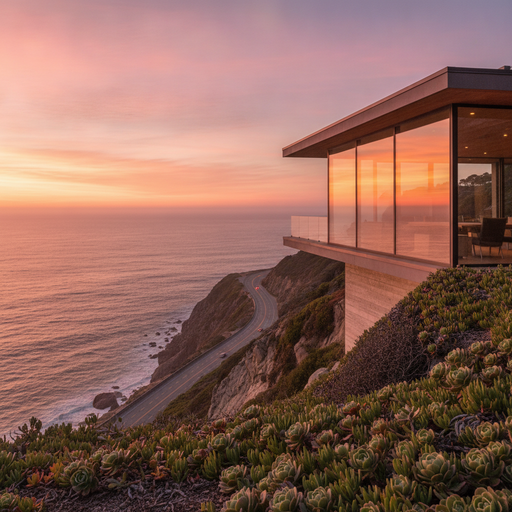
    Malibu remains the undisputed heavyweight champion of luxury coastal living. From the legendary Carbon Beach—aptly nicknamed “Billionaire’s Beach”—to the secluded coves of Point Dume, Malibu offers a blend of bohemian spirit and unparalleled opulence. Buyers here are looking for the “glass house” experience, where massive floor-to-ceiling windows disappear into the floor, erasing the line between the living room and the sand.

    Laguna Beach and Newport: The Orange County Gold Standard

    Further south, Orange County offers a more structured sense of luxury. Communities like Crystal Cove and Emerald Bay provide gated security, pristine private beaches, and Mediterranean-inspired architecture that feels like the Italian Riviera transported to the West Coast. The market here is characterized by generational wealth, where estates are often passed down rather than sold, further tightening the available inventory.

    Montecito: The Understated American Riviera

    For those who find Malibu too flashy, Montecito offers a sophisticated alternative. Known for its lush landscapes and “quiet luxury,” this area has recently seen a surge in popularity among high-profile individuals seeking a slower pace of life. The homes here often lean toward Spanish Colonial Revival or contemporary farmhouses, tucked away behind massive hedges and stone walls, offering a sanctuary of silence just a few steps from the shore.

    Architectural Trends: Designing for the Elements

    The aesthetic of California luxury has evolved. The heavy, ornate mansions of the early 2000s are making way for “Organic Modernism.” Architects are now prioritizing materials that can withstand the salt air while looking effortlessly chic—think reclaimed wood, weathered zinc, and specialized concrete.

    • Indoor-Outdoor Synergy: Large-scale pocket doors that turn entire walls into open air are now a standard requirement for any luxury listing.
    • Wellness-Centric Design: Homes are being built with dedicated cold-plunge pools, infrared saunas, and meditation decks overlooking the water.
    • Sustainable Tech: Solar glass and advanced water filtration systems are becoming essential as elite buyers become more environmentally conscious.

    The Investment Perspective: Is the Shore a Safe Bet?

    While the emotional draw of the ocean is undeniable, the rational investor looks at the numbers. Historically, California coastal real estate has outperformed many other luxury markets. Even during downturns, the “front row” properties tend to hold their value remarkably well. Because these homes are in such short supply, they are often insulated from the volatility seen in suburban or inland markets.

    However, modern buyers are also becoming more pragmatic about the challenges of coastal living. Issues like coastal erosion and rising insurance premiums are now part of the due diligence process. Buyers are increasingly looking for homes that have been “future-proofed” with advanced sea walls or elevated foundations. This has created a two-tier market: homes that are modern and resilient command massive premiums, while older structures may require significant investment to reach today’s standards.

    The Lifestyle: More Than Just a View

    To truly understand this market, you have to imagine the Tuesday afternoon on the coast. It’s about the ability to walk onto the sand for a sunrise surf before a board meeting, or hosting a sunset dier where the only soundtrack is the crashing waves. It’s a culture of wellness and high-performance living. In the world of high-end real estate, we often say you aren’t just buying the house; you are buying the three miles of coastline around it.

    The “work from anywhere” revolution has further solidified the California beach home as a primary residence. What used to be a weekend getaway for a San Francisco tech executive or a Los Angeles producer has now become their full-time headquarters. This shift has led to a demand for larger home offices, high-speed coectivity in every corner of the property, and guest houses that can double as private studios.

    Conclusion: The Future of the Golden Coast

    As we look toward the future, the California luxury beach home market shows no signs of cooling down. While the prices may seem stratospheric to the average observer, for the global elite, these homes represent the ultimate combination of security, status, and serenity. The “California Dream” is alive and well, it has simply become more refined and more exclusive.

    Whether you are a buyer looking for a legacy estate or an observer of market trends, one thing is clear: the lure of the Pacific is a constant. As long as the sun sets over the ocean, there will be someone willing to pay a premium to watch it from their own balcony. In the world of real estate, there is nothing quite like the Golden State’s shore—a place where the land ends, and a life of limitless luxury begins.

  • Sun, Surf, and Keys: The Ultimate Guide to Navigating the California Coastal Real Estate Market

    Sun, Surf, and Keys: The Ultimate Guide to Navigating the California Coastal Real Estate Market

    The Dream of the Pacific Shoreline

    Imagine waking up to the rhythmic sound of waves crashing against the shore, the smell of salt air wafting through your window, and the sight of a golden sun dipping below the horizon every single evening. For many, owning a piece of the California coast isn’t just a real estate transaction—it is the culmination of a lifelong dream. Whether it is the rugged, misty cliffs of Northern California or the sun-drenched boardwalks of San Diego, the “Golden State” offers a lifestyle that is hard to replicate anywhere else in the world.

    However, as someone who has walked through dozens of coastal properties and seen the sparkle in buyers’ eyes, I can tell you that buying a home on the coast is vastly different from buying a suburban tract home inland. It requires a blend of romantic vision and cold, hard pragmatism. The ocean is a beautiful neighbor, but she is also a powerful force of nature. In this guide, I want to take you through the journey of finding your perfect coastal sanctuary while avoiding the common pitfalls that can turn a dream home into a logistical headache.

    Choose Your Coastal Flavor: North, Central, or South?

    The first thing you need to realize is that California’s 840 miles of coastline are not a monolith. Each region offers a distinct lifestyle, climate, and price point. Your first step is deciding which “vibe” suits your daily life.

    Southern California: The Classic Postcard

    If you picture palm trees, surf culture, and year-round sunshine, Southern California (SoCal) is your destination. From the luxury estates of Malibu to the laid-back beach cottages of San Clemente, this region is all about the outdoor lifestyle. However, be prepared for higher density and a competitive market. Here, you aren’t just paying for the house; you’re paying for the proximity to world-class dining, entertainment, and that iconic “Endless Summer” atmosphere.

    Central California: The Hidden Gems

    Moving up to places like San Luis Obispo or Monterey, the pace slows down. The Central Coast offers a more rustic, agricultural charm mixed with stuing ocean views. You might find larger lots and a slightly more “neighborhood” feel compared to the frantic pace of Los Angeles or Orange County. It is the perfect middle ground for those who want coastal beauty without the heavy traffic.

    Northern California: Rugged Majesty

    North of San Francisco, the coast becomes dramatic and moody. Think towering redwoods meeting the sea, rocky outcrops, and refreshing (if chilly) temperatures. Life here is about quiet contemplation and nature. The homes often feature mid-century modern designs or cozy cabins built to withstand the wind and fog. It’s less about bikinis and more about Patagonia jackets.

    The Salt Air Tax: Understanding Maintenance

    One of the stories I always tell prospective buyers is about “The Salt Air Tax.” When you live within a mile of the ocean, the environment is much harsher on a building than it is inland. Saltwater is corrosive. It eats away at metal railings, peels paint, and can even affect the lifespan of your appliances if they aren’t properly shielded.

    • Windows and Hardware: You will likely want fiberglass or vinyl window frames rather than metal. Stainless steel hardware is a must, and even then, it requires regular cleaning to prevent pitting.
    • Exterior Finishes: Stucco and wood siding are popular, but they require frequent inspections. Be prepared to wash your house—literally—every few months to remove salt buildup.
    • HVAC Systems: Condenser units near the beach tend to have a shorter lifespan. Look for units specifically treated for coastal environments.

    The Environmental Reality: Erosion and Rising Tides

    In a storytelling sense, the ocean is the protagonist of your new life, but she can also be the antagonist. Coastal erosion is a serious topic in California. Before you fall in love with a bluff-top property, you must do your due diligence regarding the land’s stability.

    I always recommend hiring a geotechnical engineer during your contingency period. They will look at the bluff’s retreat rate—essentially how much land is disappearing into the sea each year. This isn’t just about safety; it’s about insurability. Many traditional insurance companies have pulled back from coastal zones, so you may need to look into specialized policies or the California FAIR Plan. Understanding your flood zone and the elevation of the property is non-negotiable.

    Navigating the California Coastal Commission

    If you plan on remodeling your new coastal home, you need to become familiar with the California Coastal Commission. Established in 1972, this agency oversight ensures that the coast remains accessible to the public and that development doesn’t harm the environment.

    Getting a permit for a simple deck or an extension can be significantly more complex and time-consuming within the “Coastal Zone” than it is elsewhere. They have strict rules about blocking ocean views for the public and maintaining public access paths. A good local architect who has experience dealing with the Commission is worth their weight in gold.

    The Lifestyle Check: Can You Handle the Tourists?

    Living at the beach is a dream, but remember that everyone else wants to be there too, especially on holiday weekends. When you are scouting locations, visit the neighborhood on a Saturday afternoon in July, not just a Tuesday morning iovember.

    Does your street turn into a parking lot for beachgoers? Is there a public trail right next to your bedroom window? Some people love the energy of a bustling beach town, while others prefer the seclusion of a gated community or a less-accessible cove. Make sure the reality of the daily traffic matches your expectations for peace and quiet.

    Financing the Dream: Jumbo Loans and Appraisals

    Because California coastal real estate often carries a premium price tag, you will likely be entering the realm of “Jumbo Loans.” These loans have stricter credit requirements and often require larger down payments than standard conventional loans. Furthermore, appraisals can be tricky. In a coastal neighborhood, a house one block away might be worth $500,000 more just because it has a “peek-a-boo” view of the water. Working with a lender who understands the nuances of coastal valuations is essential to ensure your loan doesn’t fall through at the last minute.

    Conclusion: Is It Worth It?

    After reading about corrosive salt, complex permits, and erosion, you might be wondering if it’s all worth the trouble. The answer, for almost everyone who makes the leap, is a resounding yes. There is a psychological peace that comes with living by the water. The air is cleaner, the views are soul-stirring, and the investment value of California coastal land has historically remained incredibly resilient.

    Buying a coastal home is about more than just square footage and bedroom counts; it’s about choosing a backdrop for your life’s best memories. By doing your homework, hiring the right experts, and respecting the power of the Pacific, you can find a sanctuary that will bring you joy for decades to come. Welcome to the coast—the water is fine!