Tag: Coastal Living

  • Paradise Without the Price Tag: Why Manufactured Housing is the Future of Coastal Florida Living

    Paradise Without the Price Tag: Why Manufactured Housing is the Future of Coastal Florida Living

    Imagine waking up to the gentle rustle of palm fronds and the distant sound of the Atlantic surf. For many, this is the ultimate American dream—a life spent in the sunshine, where the “winter” involves a light sweater and every afternoon feels like a vacation. However, for years, the skyrocketing prices of traditional real estate in coastal Florida have turned that dream into a distant mirage for the average family or retiree.

    Enter Sarah and Mark, a couple from the Midwest who spent three decades dreaming of a retirement cottage near Sarasota. When they first looked at traditional site-built homes, they were met with sticker shock. The bungalows they liked were hovering near the million-dollar mark, often requiring extensive renovations. That is when they discovered the “new” world of manufactured housing. Not the “mobile homes” of the 1970s, but modern, sleek, and incredibly resilient coastal residences that offered everything they wanted at a fraction of the cost.

    Their story is becoming increasingly common. As Florida’s coastline becomes more crowded and expensive, manufactured housing is undergoing a massive transformation, proving that luxury and affordability can, in fact, live under the same roof.

    The Evolution of Coastal Manufactured Homes

    To understand why manufactured housing is taking over the Florida coastline, we first have to dispel the old myths. The term “mobile home” is technically a thing of the past. Since 1976, these homes have been built according to strict federal standards set by the Department of Housing and Urban Development (HUD). Today’s manufactured homes are engineered in climate-controlled environments, using the same—and often superior—materials as site-built homes.

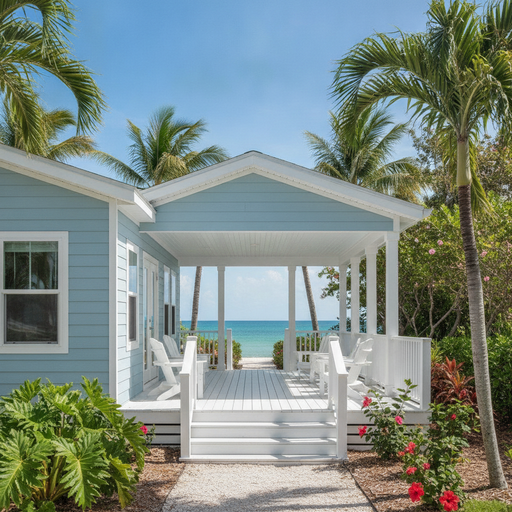
    In the context of coastal Florida, this evolution is even more dramatic. Manufacturers have embraced “Coastal Chic” aesthetics. We are talking about open-concept floor plans, nine-foot ceilings, quartz countertops, and massive floor-to-ceiling windows that invite the Florida sun inside. From the outside, many of these homes are indistinguishable from high-end custom builds, featuring HardiePlank siding, wraparound porches, and elegant metal roofs.

    Built for the Storm: Resilience in the Hurricane Zone

    The first question Sarah and Mark asked—and the first question any sane person asks about Florida—is: “What happens when a hurricane comes?” It is a valid concern, especially when living within a few miles of the Gulf or the Ocean.

    The reality is that modern manufactured homes in Florida are built to some of the highest wind-safety standards in the country. Coastal Florida falls under “Wind Zone III,” the highest rating. This means these homes are engineered to withstand winds exceeding 150 mph. They are anchored to the ground with sophisticated steel strapping systems that often make them more resilient than older, traditional masonry homes that haven’t been updated to modern building codes.

    During recent hurricane seasons, data from Florida’s housing authorities showed that manufactured homes built after 1994 performed remarkably well. For residents like Sarah and Mark, this provides a level of peace of mind that allows them to enjoy the coastal breeze without the constant fear of structural failure.

    The Resort Lifestyle: More Than Just a House

    One of the biggest draws of manufactured housing in coastal Florida is the community aspect. Many of these homes are located in “land-lease” communities that function more like five-star resorts thaeighborhoods. When you buy a manufactured home in a coastal community, you aren’t just buying a house; you are buying a lifestyle.

    • Amenities: Most communities feature heated swimming pools, pickleball courts (the unofficial sport of Florida), fitness centers, and elaborate clubhouses.
    • Social Coectivity: Because the homes are closer together and the communities are often age-qualified (55+), there is a built-in social network. Sarah and Mark found themselves invited to “Sunset Cocktails” on the community pier within three days of moving in.
    • Maintenance-Free Living: In many coastal parks, the lot rent covers lawn maintenance, trash removal, and gate security. This allows residents to spend more time at the beach and less time behind a lawnmower.

    The Economics of Coastal Living

    Let’s talk numbers, because that is where the manufactured housing argument becomes undeniable. In a market where a standard 1,500-square-foot home near the water might cost $700,000, a high-end manufactured home of the same size might cost between $150,000 and $250,000.

    This massive price gap allows homeowners to keep their capital for travel, healthcare, or simply enjoying the local Florida culinary scene. Furthermore, because these homes are built in a factory, the construction time is cut in half. While a site-built home might take a year or more to complete due to Florida’s frequent rain delays and labor shortages, a manufactured home can be ready for move-in within a few months.

    Property taxes are also generally lower, as you are often paying taxes on the structure itself while leasing the land, or paying a much lower assessment than you would for a multimillion-dollar waterfront lot.

    Environmental Efficiency and Sustainability

    Modern coastal Florida living also demands a focus on energy efficiency. The relentless sun can make cooling a home an expensive endeavor. Manufactured homes today are built with high-efficiency HVAC systems, dual-pane low-E windows, and superior insulation packages.

    Many builders are now focusing on “Green” certifications, ensuring that the homes have a minimal carbon footprint. For Sarah and Mark, this meant their monthly utility bills were significantly lower than they had been in their much smaller apartment back north. The factory-built process also produces significantly less waste than traditional construction sites, making it a more environmentally friendly choice for Florida’s delicate coastal ecosystems.

    Choosing the Right Location: From the Panhandle to the Keys

    Florida’s coast is diverse, and so are the manufactured housing options.

    • The Space Coast: Offers a blend of high-tech industry and laid-back beach vibes. Perfect for those who want to watch rocket launches from their front porch.
    • The Gulf Coast: Known for its white quartz sand and calm waters. This is the heart of the luxury manufactured housing market, with communities iaples and Sarasota that rival high-end subdivisions.
    • The Treasure Coast: Provides a more rugged, natural Florida feel with world-class fishing and diving options.

    Common Challenges and Considerations

    While the benefits are numerous, it is important to be realistic about the challenges. Financing a manufactured home can be different than a traditional mortgage. Buyers often use “chattel loans” if they are not purchasing the land beneath the home. Additionally, while the structures are highly wind-resistant, insurance premiums in Florida are rising across the board, and manufactured homes are not immune to these increases.

    It is also vital to do your homework on the community management. If you are leasing the land, you want to ensure the community has a stable history and a fair long-term lease agreement. Sarah and Mark spent weeks visiting different parks, talking to neighbors, and reading through community bylaws before they signed on the dotted line.

    Conclusion: A New Chapter in the Sunshine State

    The narrative of Florida real estate is shifting. We are moving away from a “mansion or nothing” mentality and toward a more flexible, lifestyle-oriented approach. Manufactured housing in coastal Florida is no longer a compromise; it is a strategic choice for those who value experiences over square footage and financial freedom over a massive mortgage.

    For Sarah and Mark, their new home near the water isn’t just a place to sleep. It’s the hub of their new life. They spend their mornings walking the shore, their afternoons by the community pool, and their evenings watching the sun dip below the horizon from their modern, resilient, and beautiful manufactured home. They found their paradise, and they didn’t have to break the bank to do it. As the Florida sun continues to shine, it’s clear that the future of the coast is factory-built, stylish, and accessible to everyone.
  • Sun, Sand, and Your Front Door: The Ultimate Guide to Florida Coastal Real Estate Listings

    Sun, Sand, and Your Front Door: The Ultimate Guide to Florida Coastal Real Estate Listings

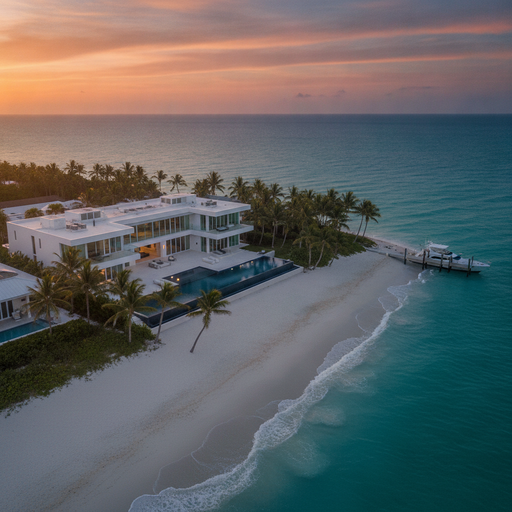
    Imagine waking up to the gentle rhythm of waves kissing the shore, the smell of salt air mingling with your morning coffee, and the sight of a golden sun rising over a vast, turquoise horizon. This isn’t just a scene from a luxury travel brochure; for many, this is the daily reality of owning a piece of Florida’s coastal paradise. Whether you are looking for a permanent residence, a vacation getaway, or a savvy investment, diving into Florida coastal real estate listings is the first step toward a life defined by the tides.

    The Magic of the Sunshine State’s Coastline

    Florida is unique because it offers two distinct coastal experiences: the Atlantic Ocean to the east and the Gulf of Mexico to the west. Each side has its own personality, rhythm, and architectural style. When you start browsing Florida coastal real estate listings, you aren’t just looking for a house; you’re choosing a lifestyle.

    On the Atlantic side, places like Miami, Fort Lauderdale, and West Palm Beach offer high-energy urban living paired with stuing beaches. Here, the listings are often dominated by sleek, modern high-rises and sprawling estates that boast private docks. Further north, in areas like Daytona or St. Augustine, the vibe becomes more historic and laid-back, featuring charming beach cottages and family-friendly communities.

    Flip over to the Gulf Coast—home to Naples, Sarasota, and Clearwater—and you’ll find a different kind of magic. The water is often calmer and warmer, and the sunsets are legendary. Gulf Coast listings often feature Mediterranean-style villas and luxurious condos that emphasize relaxation and quiet elegance. The sand here, particularly in places like Siesta Key, is world-famous for being as white and fine as powdered sugar.

    What to Look for in a Coastal Listing

    Searching through thousands of Florida coastal real estate listings can be overwhelming. To find the “one,” you need to look beyond the beautiful photos and focus on the details that matter for waterfront living. Here are a few things I always tell prospective buyers to keep an eye on:

    • Water Frontage vs. Water View: A listing might say “waterfront,” but does it have direct access to the beach? Or is there a road between the house and the sand? “Water view” means you can see the ocean, but “waterfront” typically means your backyard is the beach.
    • The “High-Water Mark” for Insurance: Coastal living comes with specific responsibilities. When reviewing listings, check if the property is in a designated flood zone. This will impact your insurance premiums and the type of construction required for any future renovations.
    • HOA and Condo Fees: Many coastal properties, especially condos, come with Homeowners Association (HOA) fees. While these cover amenities like pools, security, and beach maintenance, they can vary significantly. Always look for the fine print regarding what is included.
    • Outdoor Living Spaces: In Florida, your balcony or patio is essentially an extra room. Look for listings that prioritize outdoor kitchens, covered lanais, and impact-resistant glass doors that blur the line between inside and out.

    The Rise of the “Coastal Modern” Aesthetic

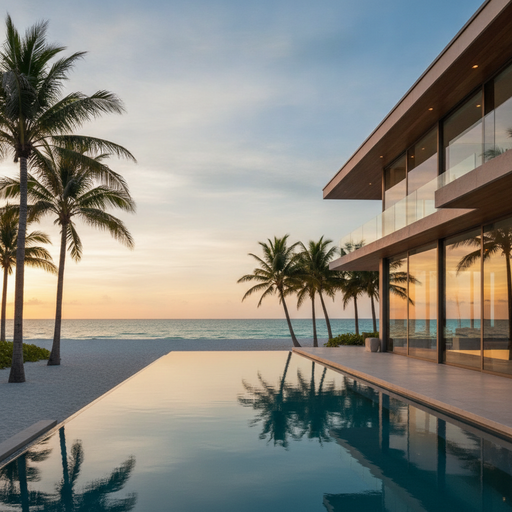
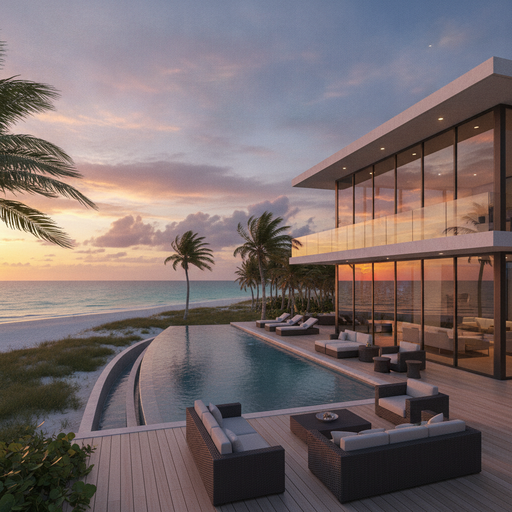
    As you scroll through current Florida coastal real estate listings, you’ll notice a trend that has taken the state by storm: Coastal Modern architecture. This style combines clean, minimalist lines with natural materials like driftwood-toned flooring and coral stone accents. These homes are designed to let the light in, featuring floor-to-ceiling windows that turn the ocean into a living piece of art.

    Navigating the Market: Timing and Strategy

    The Florida real estate market is dynamic and can be highly competitive, especially for prime coastal spots. Understanding the timing can save you thousands. Typically, the market heats up in the winter months when “snowbirds” from the north head south to escape the cold. This is when inventory is highest, but so is the competition.

    If you’re looking for a deal, sometimes searching for Florida coastal real estate listings in the late summer or early fall can yield results. While the weather is hotter, sellers might be more motivated to close before the next peak season begins. However, regardless of the season, the best properties—those with unobstructed views and recent renovations—rarely stay on the market for more than a few days.

    The Investment Potential of the Coast

    Beyond the lifestyle benefits, Florida coastal real estate is a historically strong investment. Florida has no state income tax, which continues to drive a steady stream of residents from higher-tax states. This migration keeps demand for coastal properties high. Many buyers use their coastal homes as short-term rentals when they aren’t using them, leveraging platforms like Airbnb or VRBO to offset mortgage costs.

    However, if investment is your primary goal, pay close attention to local zoning laws. Some coastal towns have strict regulations on short-term rentals, while others are very “investor-friendly.” A seasoned local real estate agent can help you navigate these nuances so your dream home doesn’t turn into a regulatory headache.

    Sustainable Living by the Sea

    Modern Florida coastal real estate listings are increasingly highlighting “green” features. From solar panels that thrive in the Florida sun to LEED-certified building materials, sustainability is becoming a luxury standard. Buyers are looking for homes that are not only beautiful but also resilient against the elements, featuring sea walls, reinforced foundations, and storm-rated windows.

    Life Beyond the Beach

    Owning a coastal home in Florida isn’t just about the sand. It’s about what the coast allows you to do. Many listings are located within “golf cart communities” where you can zip from your front door to a world-class seafood dier or a local boutique without ever touching a car. Boating culture is also a massive draw. Listings with private docks or proximity to a marina are highly coveted, offering the freedom to spend your Saturdays exploring hidden keys and sandbars.

    Conclusion: Your Journey Starts Here

    Searching for Florida coastal real estate listings is more than just a house hunt; it’s the begiing of a new chapter. Whether you are drawn to the rugged beauty of the Atlantic or the tranquil sunsets of the Gulf, there is a piece of the Florida coast waiting for you. It requires a bit of research, a clear understanding of your priorities, and perhaps a little bit of dreaming.

    The market may change, and the styles may evolve, but the allure of the Florida coast remains timeless. So, take the plunge. Start scrolling, start visiting, and soon, you might just find yourself holding the keys to a home where the horizoever ends and the sunshine never fades.

  • The New Florida Dream: Why Manufactured Living is the Ultimate Hack for Coastal Bliss

    The New Florida Dream: Why Manufactured Living is the Ultimate Hack for Coastal Bliss

    The Golden Hour and a New Way of Life

    Imagine waking up to the gentle sound of seagulls and the faint, rhythmic crashing of waves against the shore. You step out onto your wide, covered porch with a steaming cup of coffee in hand. The air is salty, warm, and carries the scent of blooming jasmine. This is the Florida coastline dream—a lifestyle many assume is reserved for the ultra-wealthy or those willing to spend their life savings on a tiny, aging condo. But what if I told you there’s a better way to experience the Sunshine State without the million-dollar price tag?

    For years, Sarah and Dave had been hunting for a retirement spot along the Gulf Coast. They looked at traditional brick-and-mortar homes iaples and Sarasota, only to find themselves discouraged by skyrocketing property taxes and listing prices that felt like a bad joke. That was until they took a turn down a palm-lined drive into a coastal manufactured home community. What they found wasn’t a “trailer park” from a 1970s movie; it was a vibrant, modereighborhood of beautiful, high-tech homes that looked exactly like the luxury cottages they had seen on Pinterest.

    This is the reality of modern manufactured housing along the Florida coastline. It is the ultimate lifestyle hack for those who want the sand between their toes every single day without sacrificing comfort, safety, or their retirement fund.

    Shattering the Stigma: The Modern Manufactured Home

    If the word “manufactured home” makes you think of dark wood paneling and aluminum siding, it’s time to update your mental gallery. Today’s manufactured homes are feats of modern engineering and design. When you walk into a contemporary home along the Florida coast, you are greeted by vaulted ceilings, open-concept floor plans, and gourmet kitchens featuring quartz countertops and stainless steel appliances.

    The primary difference between a “site-built” home and a manufactured home is simply where the construction happens. Manufactured homes are built in climate-controlled environments using the same materials as traditional homes. This process prevents weather-related delays and ensures that every joint and beam is perfectly aligned. For the Florida homeowner, this means you get a brand-new, luxury-feeling home for a fraction of the cost of a traditional build.

    Built for the Breeze: Safety and Resilience

    One of the first questions people ask when considering Florida coastline living is: “What about the hurricanes?” It is a valid concern, but one that modern engineering has addressed head-on. Since the mid-1990s, HUD (the Department of Housing and Urban Development) has enforced incredibly strict building codes for manufactured homes, especially in “Wind Zone 3” areas—which covers most of the Florida coast.

    These homes are now engineered to withstand winds exceeding 150 miles per hour. They are anchored to the ground with sophisticated steel tie-down systems that often make them more resilient than older site-built homes. When you choose a modern manufactured home in a coastal community, you aren’t just buying a house; you’re buying peace of mind, knowing your sanctuary is built to withstand the elements of the subtropics.

    The Financial Freedom of the Coast

    Why choose manufactured housing? The answer often starts with the wallet. Florida is seeing an unprecedented influx of residents, which has driven land and housing prices to historic highs. By choosing a manufactured home, you are drastically lowering your entry cost. This allows you to keep more of your hard-earned money in the bank for the things that actually matter: travel, hobbies, and enjoying the local seafood.

    Furthermore, many coastal manufactured home communities operate on a “land-lease” model. This means you own the home itself but lease the lot it sits on. While this may sound unusual at first, it offers significant advantages:

    • Lower Property Taxes: Because you don’t own the land, your tax burden is often significantly lower.
    • Maintenance-Free Living: Most communities handle the lawn care, landscaping, and common area maintenance.
    • Exclusive Amenities: Land-lease fees often cover access to private docks, heated pools, fitness centers, and gated security.

    A Community Like No Other

    Perhaps the most underrated benefit of manufactured living in Florida is the social aspect. In a traditional neighborhood, you might live next to someone for a decade and never know their last name. In Florida’s coastal manufactured home communities, life happens outdoors.

    Whether it’s a 55+ active adult community or an all-age resort, there is a sense of “we’re all in this together.” You’ll see neighbors hopping on their golf carts at sunset to meet at the community pier for a “sundowner.” There are pickleball tournaments, yoga on the beach, and potluck diers at the clubhouse. For people like Sarah and Dave, this community aspect turned a simple house into a home. They didn’t just find a place to sleep; they found a built-in circle of friends who shared their love for the ocean.

    The Luxury of Customization

    One of the most exciting parts of the manufactured housing journey is the ability to customize. When you order a new home for your coastal lot, you get to play the role of designer. You can choose:

    • Sunrooms and Screened Lanais: Essential for enjoying the Florida breeze without the mosquitoes.
    • Spa-Like Bathrooms: Think walk-in tiled showers and dual vanities.
    • Flooring and Finishes: Durable luxury vinyl plank (LVP) that handles sand and moisture with ease.
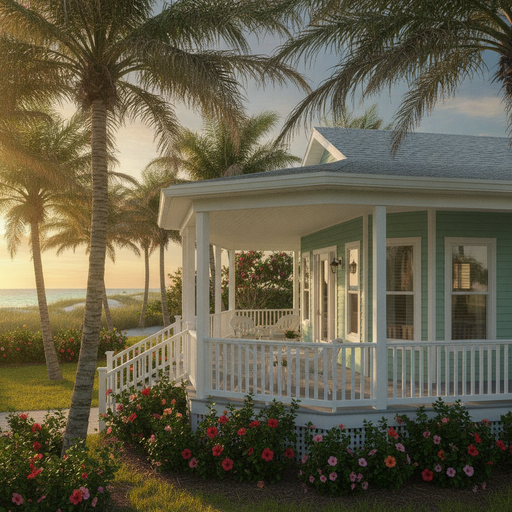
    • Exterior Aesthetics: Hardie-board siding in pastel “Florida” colors like seafoam green, coral, or sky blue.

    By the time your home is delivered and set, it reflects your personal style perfectly, often at a price point that allows for high-end upgrades that would be cost-prohibitive in a traditional home.

    The Perfect Locations: From the Panhandle to the Keys

    Where should you look for your slice of paradise? The Florida coastline is diverse, and manufactured housing is available in almost every pocket:

    • The Emerald Coast (Panhandle): Known for its sugar-white sand and crystal-clear turquoise water. Communities here offer a more laid-back, southern charm.
    • The Space Coast (Atlantic Side): Perfect for those who want to watch rocket launches from their backyard while enjoying the Atlantic surf.
    • The Gulf Coast (Southwest Florida): Ideal for sunset lovers and shelling enthusiasts. Cities like Fort Myers and Venice have some of the most luxurious manufactured home resorts in the country.

    Conclusion: Your Coastal Future Awaits

    The Florida coastline is more than just a geographic location; it’s a state of mind. It’s about slowing down, breathing deeper, and prioritizing experiences over “stuff.” For too long, the barrier to entry for this lifestyle was a massive mortgage. Manufactured housing has broken down that barrier, offering a stylish, safe, and community-focused alternative.

    As Sarah and Dave watch the sun dip below the horizon from their deck, they don’t regret the big house they left behind in the suburbs. They have everything they need right here: a modern home they love, a community of friends, and the Gulf of Mexico just a short walk away. If you’ve been dreaming of a life by the sea, don’t let old myths hold you back. The manufactured housing revolution is here, and your beach chair is waiting.

  • The Golden Horizon: A Deep Dive into California’s Elite Luxury Beach Home Market

    The Golden Horizon: A Deep Dive into California’s Elite Luxury Beach Home Market

    The Timeless Allure of the Pacific Edge

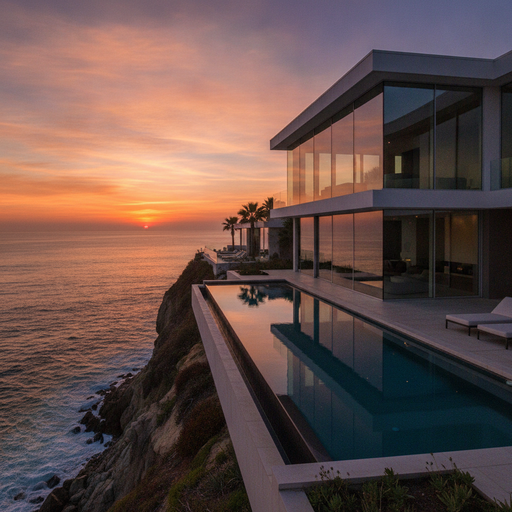
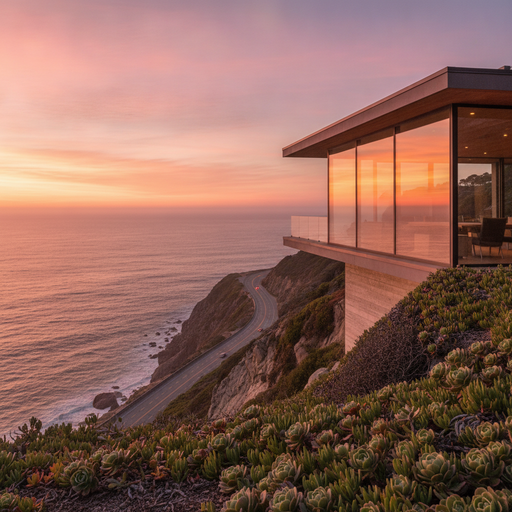
    Imagine waking up to the rhythmic cadence of the Pacific Ocean, where the morning mist gently clears to reveal a coastline that has inspired poets, tech titans, and Hollywood legends alike. In California, a beach home is more than just a piece of real estate; it is a declaration of a lifestyle achieved. For decades, the luxury beach home market in the Golden State has stood as a beacon of exclusivity and a resilient fortress of wealth. Whether it is the rugged cliffs of Big Sur or the manicured sands of Laguna Beach, the demand for a slice of this coastline remains one of the most powerful drivers in the global property market.

    To understand the current state of California’s luxury beachfront market, one must look beyond the price tags and into the stories of those who seek refuge here. We are seeing a profound shift in what “luxury” means. It is no longer just about square footage or gold-plated fixtures; today’s elite buyers are chasing privacy, architectural significance, and a seamless coection with the natural environment. As we navigate through the complexities of the current economic landscape, the California coast continues to prove that while trends may flicker, the value of the horizon is eternal.

    Market Dynamics: Why the Coast Stays Hot

    In recent years, the broader real estate market has faced headwinds from fluctuating interest rates and economic uncertainty. However, the ultra-luxury segment—specifically homes priced above the $10 million mark—often operates in a different atmosphere. In California’s most coveted zip codes, cash remains king. Many high-net-worth individuals are moving capital into “passion assets,” and a beachfront villa in Malibu or an estate in Montecito fits that description perfectly.

    Inventory remains the primary challenge and the ultimate price stabilizer. The California Coastal Commission maintains strict regulations oew developments, meaning that the supply of oceanfront homes is essentially capped. When supply is finite and global demand is infinite, prices have only one direction to go. This scarcity has turned California beach homes into a “blue-chip” asset class, often compared to collecting rare art or vintage Ferraris.

    The Iconic Enclaves: Where the Magic Happens

    California’s coastline is vast, but several key pockets define the luxury market. Each offers a distinct flavor of the California dream:

    Malibu: The Billionaire’s Beach

    Malibu remains the undisputed heavyweight champion of luxury coastal living. From the legendary Carbon Beach—aptly nicknamed “Billionaire’s Beach”—to the secluded coves of Point Dume, Malibu offers a blend of bohemian spirit and unparalleled opulence. Buyers here are looking for the “glass house” experience, where massive floor-to-ceiling windows disappear into the floor, erasing the line between the living room and the sand.

    Laguna Beach and Newport: The Orange County Gold Standard

    Further south, Orange County offers a more structured sense of luxury. Communities like Crystal Cove and Emerald Bay provide gated security, pristine private beaches, and Mediterranean-inspired architecture that feels like the Italian Riviera transported to the West Coast. The market here is characterized by generational wealth, where estates are often passed down rather than sold, further tightening the available inventory.

    Montecito: The Understated American Riviera

    For those who find Malibu too flashy, Montecito offers a sophisticated alternative. Known for its lush landscapes and “quiet luxury,” this area has recently seen a surge in popularity among high-profile individuals seeking a slower pace of life. The homes here often lean toward Spanish Colonial Revival or contemporary farmhouses, tucked away behind massive hedges and stone walls, offering a sanctuary of silence just a few steps from the shore.

    Architectural Trends: Designing for the Elements

    The aesthetic of California luxury has evolved. The heavy, ornate mansions of the early 2000s are making way for “Organic Modernism.” Architects are now prioritizing materials that can withstand the salt air while looking effortlessly chic—think reclaimed wood, weathered zinc, and specialized concrete.

    • Indoor-Outdoor Synergy: Large-scale pocket doors that turn entire walls into open air are now a standard requirement for any luxury listing.
    • Wellness-Centric Design: Homes are being built with dedicated cold-plunge pools, infrared saunas, and meditation decks overlooking the water.
    • Sustainable Tech: Solar glass and advanced water filtration systems are becoming essential as elite buyers become more environmentally conscious.

    The Investment Perspective: Is the Shore a Safe Bet?

    While the emotional draw of the ocean is undeniable, the rational investor looks at the numbers. Historically, California coastal real estate has outperformed many other luxury markets. Even during downturns, the “front row” properties tend to hold their value remarkably well. Because these homes are in such short supply, they are often insulated from the volatility seen in suburban or inland markets.

    However, modern buyers are also becoming more pragmatic about the challenges of coastal living. Issues like coastal erosion and rising insurance premiums are now part of the due diligence process. Buyers are increasingly looking for homes that have been “future-proofed” with advanced sea walls or elevated foundations. This has created a two-tier market: homes that are modern and resilient command massive premiums, while older structures may require significant investment to reach today’s standards.

    The Lifestyle: More Than Just a View

    To truly understand this market, you have to imagine the Tuesday afternoon on the coast. It’s about the ability to walk onto the sand for a sunrise surf before a board meeting, or hosting a sunset dier where the only soundtrack is the crashing waves. It’s a culture of wellness and high-performance living. In the world of high-end real estate, we often say you aren’t just buying the house; you are buying the three miles of coastline around it.

    The “work from anywhere” revolution has further solidified the California beach home as a primary residence. What used to be a weekend getaway for a San Francisco tech executive or a Los Angeles producer has now become their full-time headquarters. This shift has led to a demand for larger home offices, high-speed coectivity in every corner of the property, and guest houses that can double as private studios.

    Conclusion: The Future of the Golden Coast

    As we look toward the future, the California luxury beach home market shows no signs of cooling down. While the prices may seem stratospheric to the average observer, for the global elite, these homes represent the ultimate combination of security, status, and serenity. The “California Dream” is alive and well, it has simply become more refined and more exclusive.

    Whether you are a buyer looking for a legacy estate or an observer of market trends, one thing is clear: the lure of the Pacific is a constant. As long as the sun sets over the ocean, there will be someone willing to pay a premium to watch it from their own balcony. In the world of real estate, there is nothing quite like the Golden State’s shore—a place where the land ends, and a life of limitless luxury begins.

  • Sun, Surf, and Keys: The Ultimate Guide to Navigating the California Coastal Real Estate Market

    Sun, Surf, and Keys: The Ultimate Guide to Navigating the California Coastal Real Estate Market

    The Dream of the Pacific Shoreline

    Imagine waking up to the rhythmic sound of waves crashing against the shore, the smell of salt air wafting through your window, and the sight of a golden sun dipping below the horizon every single evening. For many, owning a piece of the California coast isn’t just a real estate transaction—it is the culmination of a lifelong dream. Whether it is the rugged, misty cliffs of Northern California or the sun-drenched boardwalks of San Diego, the “Golden State” offers a lifestyle that is hard to replicate anywhere else in the world.

    However, as someone who has walked through dozens of coastal properties and seen the sparkle in buyers’ eyes, I can tell you that buying a home on the coast is vastly different from buying a suburban tract home inland. It requires a blend of romantic vision and cold, hard pragmatism. The ocean is a beautiful neighbor, but she is also a powerful force of nature. In this guide, I want to take you through the journey of finding your perfect coastal sanctuary while avoiding the common pitfalls that can turn a dream home into a logistical headache.

    Choose Your Coastal Flavor: North, Central, or South?

    The first thing you need to realize is that California’s 840 miles of coastline are not a monolith. Each region offers a distinct lifestyle, climate, and price point. Your first step is deciding which “vibe” suits your daily life.

    Southern California: The Classic Postcard

    If you picture palm trees, surf culture, and year-round sunshine, Southern California (SoCal) is your destination. From the luxury estates of Malibu to the laid-back beach cottages of San Clemente, this region is all about the outdoor lifestyle. However, be prepared for higher density and a competitive market. Here, you aren’t just paying for the house; you’re paying for the proximity to world-class dining, entertainment, and that iconic “Endless Summer” atmosphere.

    Central California: The Hidden Gems

    Moving up to places like San Luis Obispo or Monterey, the pace slows down. The Central Coast offers a more rustic, agricultural charm mixed with stuing ocean views. You might find larger lots and a slightly more “neighborhood” feel compared to the frantic pace of Los Angeles or Orange County. It is the perfect middle ground for those who want coastal beauty without the heavy traffic.

    Northern California: Rugged Majesty

    North of San Francisco, the coast becomes dramatic and moody. Think towering redwoods meeting the sea, rocky outcrops, and refreshing (if chilly) temperatures. Life here is about quiet contemplation and nature. The homes often feature mid-century modern designs or cozy cabins built to withstand the wind and fog. It’s less about bikinis and more about Patagonia jackets.

    The Salt Air Tax: Understanding Maintenance

    One of the stories I always tell prospective buyers is about “The Salt Air Tax.” When you live within a mile of the ocean, the environment is much harsher on a building than it is inland. Saltwater is corrosive. It eats away at metal railings, peels paint, and can even affect the lifespan of your appliances if they aren’t properly shielded.

    • Windows and Hardware: You will likely want fiberglass or vinyl window frames rather than metal. Stainless steel hardware is a must, and even then, it requires regular cleaning to prevent pitting.
    • Exterior Finishes: Stucco and wood siding are popular, but they require frequent inspections. Be prepared to wash your house—literally—every few months to remove salt buildup.
    • HVAC Systems: Condenser units near the beach tend to have a shorter lifespan. Look for units specifically treated for coastal environments.

    The Environmental Reality: Erosion and Rising Tides

    In a storytelling sense, the ocean is the protagonist of your new life, but she can also be the antagonist. Coastal erosion is a serious topic in California. Before you fall in love with a bluff-top property, you must do your due diligence regarding the land’s stability.

    I always recommend hiring a geotechnical engineer during your contingency period. They will look at the bluff’s retreat rate—essentially how much land is disappearing into the sea each year. This isn’t just about safety; it’s about insurability. Many traditional insurance companies have pulled back from coastal zones, so you may need to look into specialized policies or the California FAIR Plan. Understanding your flood zone and the elevation of the property is non-negotiable.

    Navigating the California Coastal Commission

    If you plan on remodeling your new coastal home, you need to become familiar with the California Coastal Commission. Established in 1972, this agency oversight ensures that the coast remains accessible to the public and that development doesn’t harm the environment.

    Getting a permit for a simple deck or an extension can be significantly more complex and time-consuming within the “Coastal Zone” than it is elsewhere. They have strict rules about blocking ocean views for the public and maintaining public access paths. A good local architect who has experience dealing with the Commission is worth their weight in gold.

    The Lifestyle Check: Can You Handle the Tourists?

    Living at the beach is a dream, but remember that everyone else wants to be there too, especially on holiday weekends. When you are scouting locations, visit the neighborhood on a Saturday afternoon in July, not just a Tuesday morning iovember.

    Does your street turn into a parking lot for beachgoers? Is there a public trail right next to your bedroom window? Some people love the energy of a bustling beach town, while others prefer the seclusion of a gated community or a less-accessible cove. Make sure the reality of the daily traffic matches your expectations for peace and quiet.

    Financing the Dream: Jumbo Loans and Appraisals

    Because California coastal real estate often carries a premium price tag, you will likely be entering the realm of “Jumbo Loans.” These loans have stricter credit requirements and often require larger down payments than standard conventional loans. Furthermore, appraisals can be tricky. In a coastal neighborhood, a house one block away might be worth $500,000 more just because it has a “peek-a-boo” view of the water. Working with a lender who understands the nuances of coastal valuations is essential to ensure your loan doesn’t fall through at the last minute.

    Conclusion: Is It Worth It?

    After reading about corrosive salt, complex permits, and erosion, you might be wondering if it’s all worth the trouble. The answer, for almost everyone who makes the leap, is a resounding yes. There is a psychological peace that comes with living by the water. The air is cleaner, the views are soul-stirring, and the investment value of California coastal land has historically remained incredibly resilient.

    Buying a coastal home is about more than just square footage and bedroom counts; it’s about choosing a backdrop for your life’s best memories. By doing your homework, hiring the right experts, and respecting the power of the Pacific, you can find a sanctuary that will bring you joy for decades to come. Welcome to the coast—the water is fine!

  • Riding the Blue Wave: A Strategic Guide to Florida Beachfront Investment Opportunities

    Riding the Blue Wave: A Strategic Guide to Florida Beachfront Investment Opportunities

    The Allure of the Shoreline: Why Florida is Calling

    Imagine waking up to the rhythmic sound of the Atlantic or the Gulf of Mexico gently lapping against the shore. You step out onto a sun-drenched balcony, coffee in hand, as the salt air fills your lungs. For many, this is the ultimate vacation dream. For the savvy investor, this is the sound of a lucrative opportunity. Florida’s beachfront real estate has long been the crown jewel of the American property market, and despite changing economic tides, the “Sunshine State” remains a powerhouse for those looking to build wealth through bricks, mortar, and sand.

    Investing in Florida isn’t just about owning a piece of paradise; it’s about tapping into a lifestyle that millions of people crave year-round. From the emerald green waters of the Panhandle to the sophisticated skyline of Miami, the diversity of the Florida coastline offers something for every type of investor. Whether you are looking for a high-turnover short-term rental or a long-term legacy property, the opportunities are as vast as the ocean itself. In this guide, we will explore why Florida continues to dominate the investment landscape and how you caavigate this blue wave to secure your financial future.

    The Sunshine State Advantage: More Than Just Good Weather

    While the 360 days of sunshine are a major draw, the financial incentives for investing in Florida are equally bright. Florida is one of the few states in the U.S. that does not impose a state income tax. For investors, this means keeping more of your rental income and capital gains in your own pocket. Furthermore, the state’s pro-business climate and consistent population growth provide a sturdy foundation for real estate appreciation.

    The demographic shift is impossible to ignore. Every day, hundreds of people move to Florida, seeking better weather, lower taxes, and a higher quality of life. This inward migration creates a “perpetual demand” cycle. When people move to Florida, they want to be near the water. Even those who move inland for work often look to the coast for their weekend getaways and vacations. This internal demand, coupled with Florida’s status as a top-tier global tourist destination, ensures that beachfront properties are rarely sitting empty.

    Identifying the Hotspots: Where the Best Opportunities Lie

    Florida’s coastline is vast, stretching over 1,350 miles. However, not all beachfront is created equal. To maximize your investment, you need to understand the distinct “personalities” of Florida’s coastal regions:

    1. The Emerald Coast (The Panhandle)

    Areas like Destin, 30A, and Panama City Beach have seen explosive growth. Known for their sugar-white sands and family-friendly atmosphere, these locations are short-term rental gold mines. The “30A” stretch, in particular, has become a high-end luxury brand in itself, attracting affluent vacationers from across the Southeast.

    2. The Cultural Coast (Sarasota and Siesta Key)

    Siesta Key has consistently been voted the #1 beach in the U.S. This region offers a blend of artistic culture and stuing natural beauty. Investors here often find success with a mix of seasonal snowbird rentals and high-end vacation stays. The barrier islands near Sarasota offer a more relaxed, upscale vibe that appeals to retirees and wealthy professionals.

    3. The Gold Coast (Miami and Fort Lauderdale)

    If you are looking for high-octane appreciation and luxury, the Southeast coast is the place to be. Miami and Fort Lauderdale are international hubs. While the entry price is higher, the potential for international rental demand is unparalleled. These areas are increasingly becoming “work-from-anywhere” hubs, attracting tech entrepreneurs and finance moguls who want a beachfront condo as their primary office.

    4. The Space Coast (Cocoa Beach and Melbourne)

    For those looking for more affordable entry points, the Space Coast offers great value. With the resurgence of the space industry (SpaceX, Blue Origin), there is a growing demand for both short-term and long-term housing. The beaches are beautiful, the surfing is world-class, and the price per square foot is often significantly lower than in South Florida.

    Short-Term vs. Long-Term: Choosing Your Investment Strategy

    When diving into Florida beachfront property, you must decide which “investment vehicle” suits your goals. Are you looking for monthly cash flow or long-term equity growth?

    • Short-Term Rentals (The Airbnb Model): Beachfront properties are the ultimate short-term rental assets. Travelers are willing to pay a massive premium to be “steps from the sand.” In high-traffic areas, a well-managed condo can gross significantly more than a traditional long-term lease. However, this requires active management and an understanding of local municipal ordinances, which can be strict regarding short-term stays.
    • Long-Term Rentals and Appreciation: If you prefer a “hands-off” approach, long-term rentals to locals or “snowbirds” (seasonal residents) can provide steady, predictable income. The real play here is appreciation. Historically, beachfront land is the most limited resource in Florida. As the population grows, the value of that “front-row seat” to the ocean only goes up.

    Navigating the Challenges: Insurance and Climate Resilience

    No investment is without risk, and in Florida, those risks are often tied to the environment. Any serious investor must account for the rising cost of property insurance. Due to hurricane risks, insurance premiums in Florida have increased significantly in recent years. It is vital to factor these costs into your ROI (Return on Investment) calculations from the very begiing.

    When scouting for property, look for “hardened” homes. Properties built with modern hurricane codes—impact-resistant windows, reinforced roofs, and elevated foundations—are not just safer; they are cheaper to insure. Additionally, pay close attention to the elevation and flood zones. Investing in a property that meets or exceeds the latest FEMA standards will protect your asset and its future resale value.

    The ROI of Experience: What Makes a Beachfront Property Stand Out?

    In the world of vacation rentals, you aren’t just selling a room; you are selling an experience. To ensure your Florida investment outperforms the market, consider the following amenities that drive higher booking rates:

    • Direct Beach Access: A property where guests can walk directly onto the sand without crossing a busy road will always command a 20-30% premium.
    • Sunset Views: On the Gulf Coast, a balcony facing west is a major selling point. People pay for the “golden hour.”
    • High-End Modern Finishes: Today’s travelers have high standards. Quartz countertops, smart home technology, and coastal-chic interior design are no longer optional—they are expected.
    • Resort-Style Amenities: If you are buying a condo, the building’s pool, gym, and security services play a massive role in your investment’s success.

    Conclusion: Setting Sail Toward Financial Freedom

    The window for Florida beachfront investment is always open, but the landscape is becoming increasingly competitive. As the world becomes more mobile and the “work-from-beach” trend solidifies, the demand for coastal property is likely to outpace supply for the foreseeable future. By choosing the right location, understanding the local regulations, and accounting for the unique environmental factors of the state, you can transform a piece of the Florida shoreline into a cornerstone of your investment portfolio.

    Whether you’re a seasoned real estate mogul or a first-time investor looking for a vacation home that pays for itself, Florida’s beachfront offers a unique combination of lifestyle and liquidity. It’s time to stop dreaming about the waves and start owning them. The sun is shining, the tide is in, and your Florida investment journey is just a shoreline away.

  • Riding the Wave: Why Florida Coastal Housing Demand Shows No Sign of Slowing Down

    Riding the Wave: Why Florida Coastal Housing Demand Shows No Sign of Slowing Down

    The Allure of the Sun-Drenched Horizon

    Imagine waking up to the rhythmic sound of waves gently crashing against the shore, a warm salty breeze drifting through your window, and the promise of three hundred days of sunshine a year. For decades, this dream has acted as a powerful magnet, drawing thousands of people to the Florida coastline. But in recent years, what used to be a steady stream of retirees has turned into a massive tidal wave of migration. The demand for Florida coastal housing has reached unprecedented heights, transforming the state’s real estate landscape into one of the most dynamic—and complex—markets in the United States.

    Walking through the streets of coastal towns like Naples, Sarasota, or West Palm Beach today, you can feel the energy. New developments are rising, historic bungalows are being meticulously renovated, and “Sold” signs seem to appear almost as soon as a property hits the market. But what exactly is driving this insatiable hunger for a piece of the Sunshine State? To understand the current demand, we have to look beyond just the beautiful beaches and dive into the cultural, economic, and social shifts that have redefined where and how Americans want to live.

    The Great Migration: More Than Just Retirees

    For a long time, the narrative of Florida real estate was simple: people worked their entire lives in the North, retired, and moved to Florida to play golf. While that demographic remains a cornerstone of the market, the profile of the average buyer has shifted dramatically. The catalyst, as with many things in the modern era, was the global shift toward remote work. Suddenly, the “where” of a job became less important than the “where” of one’s life.

    Professionals in their 30s and 40s realized they no longer needed to endure grueling commutes iew York, Chicago, or San Francisco. If they could participate in a Zoom meeting from a home office overlooking the Gulf of Mexico, why wouldn’t they? This influx of younger, high-earning professionals has created a competitive environment for coastal properties that offer both luxury and coectivity. They aren’t just looking for a place to retire; they are looking for a place to raise families, build businesses, and enjoy an active lifestyle year-round.

    The Financial Incentive: A Tax Haven by the Sea

    While the lifestyle is a major draw, we caot overlook the cold, hard numbers. Florida remains one of the few states in the U.S. without a state income tax. For high-net-worth individuals and business owners moving from high-tax states like California or New Jersey, the savings are astronomical. In many cases, the money saved on state taxes alone is enough to cover a significant portion of a monthly mortgage on a premium coastal property.

    This financial “carrot” has spurred a corporate migration as well. As major financial firms and tech companies open offices in Miami and Tampa—often dubbed “Wall Street South” and “Silicon Bay”—they bring with them thousands of employees who need housing. This corporate backing provides a level of stability to the housing demand that wasn’t as prevalent in previous decades. It’s not just a speculative bubble; it’s an economic relocation.

    The Inventory Challenge: A Finite Supply of Paradise

    Basic economics tells us that when demand is high and supply is low, prices rise. In the context of Florida’s coast, supply is naturally limited by geography. There is only so much beachfront and “near-beach” land available. This scarcity has led to a fierce competition for available lots and existing homes.

    In many coastal communities, we are seeing a trend of “teardowns.” Buyers are purchasing older, smaller homes from the 1960s or 70s at premium prices, only to demolish them and build modern, storm-resistant luxury estates. This evolution of the housing stock is increasing property values across the board, but it also means that the entry point for living near the water is moving higher and higher. For the aspiring homeowner, the market requires quick decision-making and a solid financial strategy.

    Navigating the Storm: Resilience and Insurance

    It would be remiss to discuss Florida coastal housing without addressing the elephant in the room: the environment. Florida is on the front lines of climate change, facing threats from hurricanes and rising sea levels. However, rather than dampening demand, these challenges have sparked a revolution in building science and community plaing.

    Modern coastal homes in Florida are now built to some of the strictest building codes in the world. From impact-resistant windows that can withstand hurricane-force winds to elevated foundations and advanced drainage systems, the “new” Florida home is a fortress of engineering. Buyers are increasingly prioritizing these resilient features, viewing them not just as safety measures, but as essential protections for their investment.

    The insurance market, while currently facing its own set of challenges with rising premiums, is also a focal point of discussion. Despite the costs, the demand remains robust because, for many, the “lifestyle tax” of higher insurance is a price worth paying for the unparalleled quality of life that coastal Florida offers. People are choosing to adapt rather than retreat.

    The Micro-Markets: From Miami Glamour to Panhandle Peace

    The demand isn’t uniform across the state; Florida offers a diverse menu of coastal experiences.

    • Southeast Florida (Miami, Fort Lauderdale, Palm Beach): This region remains the piacle of luxury and international appeal. It’s high-energy, cosmopolitan, and features some of the most expensive real estate in the world.
    • The Gulf Coast (Naples, Sarasota, Tampa): Known for its calmer waters and spectacular sunsets, this area has seen an explosion in demand from families and those seeking a slightly more relaxed, yet sophisticated, lifestyle.
    • The Emerald Coast (Destin, 30A, Panama City Beach): The Florida Panhandle has transformed from a regional vacation spot into a national destination. The “30A” corridor, in particular, is seeing unprecedented demand for its New Urbanism design and white-sand beaches.
    • The Space Coast and First Coast (Melbourne, St. Augustine, Jacksonville): These areas offer a blend of history, aerospace iovation, and relatively more affordable coastal options compared to the southern hubs.

    Investment Potential: Short-Term Gains vs. Long-Term Wealth

    For investors, Florida’s coastal market offers a dual-threat advantage. On one hand, the short-term rental market (driven by platforms like Airbnb and VRBO) is incredibly lucrative. Florida remains one of the most visited places on Earth, and coastal vacation rentals often boast high occupancy rates and premium nightly prices.

    On the other hand, the long-term appreciation of coastal land in Florida has historically outpaced many other regions. As the state’s population continues to grow—adding roughly 1,000 people per day—the long-term value of limited coastal assets is widely viewed as a “safe bet” for wealth preservation. Investors are no longer just looking for a quick flip; they are looking to hold property in a state that is actively positioning itself as a future-forward economic powerhouse.

    Conclusion: The Future of the Florida Coast

    As we look toward the future, the demand for Florida coastal housing appears to be more than just a passing trend. It is the result of a fundamental shift in how people prioritize their environment, their finances, and their time. While challenges like insurance and inventory will continue to test the market’s resilience, the underlying draw of the Florida lifestyle remains a constant.

    Whether it’s the lure of the turquoise water, the freedom of a tax-friendly environment, or the security of a modern, storm-ready home, Florida’s coast continues to offer something that few other places can match. For those ready to ride the wave, the Sunshine State isn’t just a place to live—it’s a place to thrive. The horizon is bright, and for the Florida coastal real estate market, the tide is still very much coming in.