Tag: curb appeal

  • 10 Transformative Ranch Home Curb Appeal Upgrades to Modernize Your Exterior

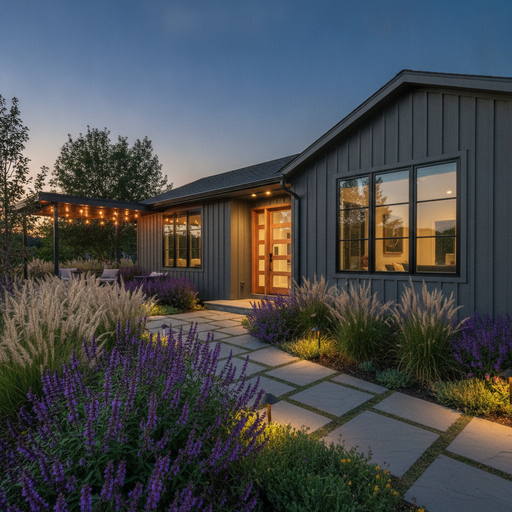
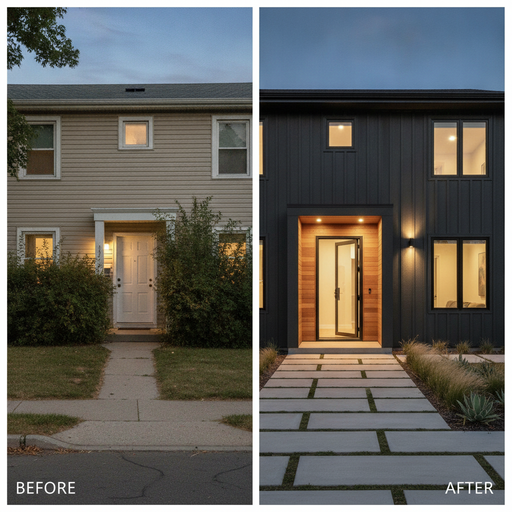
    10 Transformative Ranch Home Curb Appeal Upgrades to Modernize Your Exterior

    The Story of the Classic American Ranch

    Imagine driving through a quiet, leaf-canopied neighborhood. You see rows of houses, but one particular style stands out for its low profile and long, horizontal lines: the classic American Ranch. Born in the 1930s and exploding in popularity during the post-war era of the 1950s, the ranch-style home was designed for simplicity, accessibility, and a seamless coection to the outdoors. However, what was once “cutting-edge” can sometimes feel a bit “cookie-cutter” or dated in the modern world.

    I remember visiting a friend’s house, a sturdy brick ranch built in 1962. From the curb, it looked a bit flat, almost hiding behind its overgrown boxwood hedges. It had “good bones,” as architects say, but it lacked a certain “wow” factor. It’s a common story for many homeowners. You love the single-story living and the open floor plan, but the exterior feels like a relic of the past. The good news? Ranch homes are the perfect “blank canvas” for curb appeal upgrades. Because of their simple geometry, even small changes can create a dramatic visual impact.

    In this guide, we are going to walk through ten transformative upgrades that will turn your ranch home from a dated dwelling into the neighborhood showstopper.

    1. Define the Entryway with a Bold Front Door

    The front door is essentially the “handshake” of your home. In a long, horizontal ranch house, the entrance can sometimes get lost in the sea of siding or brick. To fix this, you need to create a focal point. Modernizing your front door is perhaps the most cost-effective way to boost curb appeal instantly.

    Consider replacing a traditional solid wood door with something that features glass panels to let iatural light. If a full replacement isn’t in the budget, never underestimate the power of paint. For ranch homes, bold colors like deep navy, sage green, or even a vibrant mustard yellow can provide a stuing contrast against neutral siding. Pair this with modern hardware—think matte black or brushed gold—to give it a contemporary edge.

    2. Break the Horizontal Line with Layered Landscaping

    One of the biggest challenges with ranch homes is their “flatness.” Since everything is on one level, the eye tends to slide right across the house without stopping. To combat this, you need to introduce verticality through landscaping.

    Instead of a single row of low shrubs, think in layers. Start with taller ornamental trees like a Japanese Maple or a Dogwood near the corners of the house to soften the sharp angles. In front of those, place medium-sized pereials, and finish with low-growing groundcovers or flowers at the very front of the bed. By creating different heights, you force the eye to move up and down, giving the property a sense of depth and richness it previously lacked.

    3. Modernize the Siding and Texture

    Many older ranch homes are covered in dated vinyl siding or monochromatic brick. While there’s nothing wrong with brick, a sea of a single color can look monotonous. One of the trendiest upgrades for ranch homes today is “mixed media” exteriors.

    Consider adding stone veneer to the lower third of your home or around the entryway. If you have siding, swapping standard horizontal planks for vertical “board and batten” can make the house appear taller and more modern. Even painting your brick—a move that was once controversial but is now highly popular—in a crisp white or a sophisticated charcoal gray can completely reinvent the home’s silhouette.

    4. Upgrade to Architectural Windows

    Windows are often referred to as the “eyes” of the home. Old, double-hung windows with thick white plastic grids can make a ranch look aged. To modernize, consider windows with thin, dark frames (like black or dark bronze). Large picture windows are a hallmark of mid-century ranch design, so if you have them, make them a feature. Removing old-fashioned shutters can also clean up the lines of the house, giving it a sleeker, more “Mid-Century Modern” vibe that is very much in style right now.

    5. Lighting: From Functional to Atmospheric

    Most ranch homes come with a single, lonely light fixture next to the front door. To truly upgrade your curb appeal, you need a comprehensive lighting plan that works long after the sun goes down. Replace that dated porch light with a modern lantern or a sleek LED sconce.

    Beyond the porch, add path lights along the walkway to guide guests to your door. For a truly high-end look, install “uplighting” at the base of your trees or against certain sections of the house. This creates shadows and highlights that make the architecture look more expensive and secure at night.

    6. Transform the Walkway

    The path to your front door should be an invitation. Many ranch homes have a narrow, cracked concrete sidewalk that runs parallel to the house. This reinforces that “flat” look we want to avoid. If you have the opportunity, redesign the walkway to have a gentle curve. Using materials like flagstone, pavers, or even stamped concrete can add texture and color. A wider path (at least 4 feet) feels more luxurious and allows two people to walk side-by-side, making the entrance feel much more welcoming.

    7. Add a Porch or Portico

    Because ranch homes often have very little “overhang” at the front door, the entrance can feel exposed. Adding a small front porch or a portico (a roofed structure over the door) can completely change the house’s profile. This adds a “protrusion” that breaks up the long roofline. Not only does this provide shelter from the rain, but it also gives you a place to add architectural details like wooden beams or stone pillars, which add a sense of craftsmanship and “weight” to the design.

    8. Creative Use of House Numbers and Mailboxes

    When it comes to curb appeal, the devil is in the details. Often, homeowners overlook the small things like house numbers and the mailbox. For a ranch home, look for oversized, modern house numbers. Floating metal numbers in a sans-serif font look incredible against wood or brick. Similarly, if your mailbox is at the end of the driveway, replace the standard plastic box with a modern wooden or metal design that matches your home’s new aesthetic. These small investments offer a high return on visual appeal.

    9. Soften the Hardscapes with Flower Boxes

    If your ranch home has a lot of concrete or brick, you might need to “soften” the look with more greenery. Window boxes are a classic solution. They bring the garden up to the house and add a splash of color at eye level. For a ranch home, choose long, rectangular boxes that mimic the house’s horizontal lines. Fill them with a mix of “thrillers” (tall plants), “fillers” (bushy plants), and “spillers” (vines that hang over the edge) for a professional look.

    10. The Power of a Clean Roofline and Gutters

    Finally, we have to talk about the roof. Because ranch homes are low, the roof accounts for a large percentage of what people see from the street. If your shingles are curling or covered in moss, no amount of flowers will save your curb appeal. Keep your gutters clean and consider upgrading to seamless aluminum gutters in a dark color that matches your trim. If it’s time for a new roof, architectural shingles add texture and “shadow lines” that make the roof look more substantial and attractive.

    Bringing It All Together

    Upgrading a ranch home is a journey of balance. You want to honor the simplicity of the original design while introducing modern textures, colors, and vertical elements. By focusing on the entryway, layering your landscape, and paying attention to the small details like lighting and hardware, you can transform a “simple” house into a stuing home.

    Remember, curb appeal isn’t just for your neighbors or for a potential buyer—it’s for you. There is a special kind of joy that comes from turning the corner into your street and seeing a home that looks fresh, cared for, and full of personality. Your ranch home has waited decades for this makeover; it’s time to give it the spotlight it deserves.
  • 10 Transformative Ranch Home Curb Appeal Upgrades to Modernize Your Exterior

    10 Transformative Ranch Home Curb Appeal Upgrades to Modernize Your Exterior

    The Story of the Classic American Ranch

    Imagine driving through a quiet, leaf-canopied neighborhood. You see rows of houses, but one particular style stands out for its low profile and long, horizontal lines: the classic American Ranch. Born in the 1930s and exploding in popularity during the post-war era of the 1950s, the ranch-style home was designed for simplicity, accessibility, and a seamless coection to the outdoors. However, what was once “cutting-edge” can sometimes feel a bit “cookie-cutter” or dated in the modern world.

    I remember visiting a friend’s house, a sturdy brick ranch built in 1962. From the curb, it looked a bit flat, almost hiding behind its overgrown boxwood hedges. It had “good bones,” as architects say, but it lacked a certain “wow” factor. It’s a common story for many homeowners. You love the single-story living and the open floor plan, but the exterior feels like a relic of the past. The good news? Ranch homes are the perfect “blank canvas” for curb appeal upgrades. Because of their simple geometry, even small changes can create a dramatic visual impact.

    In this guide, we are going to walk through ten transformative upgrades that will turn your ranch home from a dated dwelling into the neighborhood showstopper.

    1. Define the Entryway with a Bold Front Door

    The front door is essentially the “handshake” of your home. In a long, horizontal ranch house, the entrance can sometimes get lost in the sea of siding or brick. To fix this, you need to create a focal point. Modernizing your front door is perhaps the most cost-effective way to boost curb appeal instantly.

    Consider replacing a traditional solid wood door with something that features glass panels to let iatural light. If a full replacement isn’t in the budget, never underestimate the power of paint. For ranch homes, bold colors like deep navy, sage green, or even a vibrant mustard yellow can provide a stuing contrast against neutral siding. Pair this with modern hardware—think matte black or brushed gold—to give it a contemporary edge.

    2. Break the Horizontal Line with Layered Landscaping

    One of the biggest challenges with ranch homes is their “flatness.” Since everything is on one level, the eye tends to slide right across the house without stopping. To combat this, you need to introduce verticality through landscaping.

    Instead of a single row of low shrubs, think in layers. Start with taller ornamental trees like a Japanese Maple or a Dogwood near the corners of the house to soften the sharp angles. In front of those, place medium-sized pereials, and finish with low-growing groundcovers or flowers at the very front of the bed. By creating different heights, you force the eye to move up and down, giving the property a sense of depth and richness it previously lacked.

    3. Modernize the Siding and Texture

    Many older ranch homes are covered in dated vinyl siding or monochromatic brick. While there’s nothing wrong with brick, a sea of a single color can look monotonous. One of the trendiest upgrades for ranch homes today is “mixed media” exteriors.

    Consider adding stone veneer to the lower third of your home or around the entryway. If you have siding, swapping standard horizontal planks for vertical “board and batten” can make the house appear taller and more modern. Even painting your brick—a move that was once controversial but is now highly popular—in a crisp white or a sophisticated charcoal gray can completely reinvent the home’s silhouette.

    4. Upgrade to Architectural Windows

    Windows are often referred to as the “eyes” of the home. Old, double-hung windows with thick white plastic grids can make a ranch look aged. To modernize, consider windows with thin, dark frames (like black or dark bronze). Large picture windows are a hallmark of mid-century ranch design, so if you have them, make them a feature. Removing old-fashioned shutters can also clean up the lines of the house, giving it a sleeker, more “Mid-Century Modern” vibe that is very much in style right now.

    5. Lighting: From Functional to Atmospheric

    Most ranch homes come with a single, lonely light fixture next to the front door. To truly upgrade your curb appeal, you need a comprehensive lighting plan that works long after the sun goes down. Replace that dated porch light with a modern lantern or a sleek LED sconce.

    Beyond the porch, add path lights along the walkway to guide guests to your door. For a truly high-end look, install “uplighting” at the base of your trees or against certain sections of the house. This creates shadows and highlights that make the architecture look more expensive and secure at night.

    6. Transform the Walkway

    The path to your front door should be an invitation. Many ranch homes have a narrow, cracked concrete sidewalk that runs parallel to the house. This reinforces that “flat” look we want to avoid. If you have the opportunity, redesign the walkway to have a gentle curve. Using materials like flagstone, pavers, or even stamped concrete can add texture and color. A wider path (at least 4 feet) feels more luxurious and allows two people to walk side-by-side, making the entrance feel much more welcoming.

    7. Add a Porch or Portico

    Because ranch homes often have very little “overhang” at the front door, the entrance can feel exposed. Adding a small front porch or a portico (a roofed structure over the door) can completely change the house’s profile. This adds a “protrusion” that breaks up the long roofline. Not only does this provide shelter from the rain, but it also gives you a place to add architectural details like wooden beams or stone pillars, which add a sense of craftsmanship and “weight” to the design.

    8. Creative Use of House Numbers and Mailboxes

    When it comes to curb appeal, the devil is in the details. Often, homeowners overlook the small things like house numbers and the mailbox. For a ranch home, look for oversized, modern house numbers. Floating metal numbers in a sans-serif font look incredible against wood or brick. Similarly, if your mailbox is at the end of the driveway, replace the standard plastic box with a modern wooden or metal design that matches your home’s new aesthetic. These small investments offer a high return on visual appeal.

    9. Soften the Hardscapes with Flower Boxes

    If your ranch home has a lot of concrete or brick, you might need to “soften” the look with more greenery. Window boxes are a classic solution. They bring the garden up to the house and add a splash of color at eye level. For a ranch home, choose long, rectangular boxes that mimic the house’s horizontal lines. Fill them with a mix of “thrillers” (tall plants), “fillers” (bushy plants), and “spillers” (vines that hang over the edge) for a professional look.

    10. The Power of a Clean Roofline and Gutters

    Finally, we have to talk about the roof. Because ranch homes are low, the roof accounts for a large percentage of what people see from the street. If your shingles are curling or covered in moss, no amount of flowers will save your curb appeal. Keep your gutters clean and consider upgrading to seamless aluminum gutters in a dark color that matches your trim. If it’s time for a new roof, architectural shingles add texture and “shadow lines” that make the roof look more substantial and attractive.

    Bringing It All Together

    Upgrading a ranch home is a journey of balance. You want to honor the simplicity of the original design while introducing modern textures, colors, and vertical elements. By focusing on the entryway, layering your landscape, and paying attention to the small details like lighting and hardware, you can transform a “simple” house into a stuing home.

    Remember, curb appeal isn’t just for your neighbors or for a potential buyer—it’s for you. There is a special kind of joy that comes from turning the corner into your street and seeing a home that looks fresh, cared for, and full of personality. Your ranch home has waited decades for this makeover; it’s time to give it the spotlight it deserves.
  • From Dated to Dreamy: 10 Modern Exterior House Renovation Ideas to Boost Your Curb Appeal

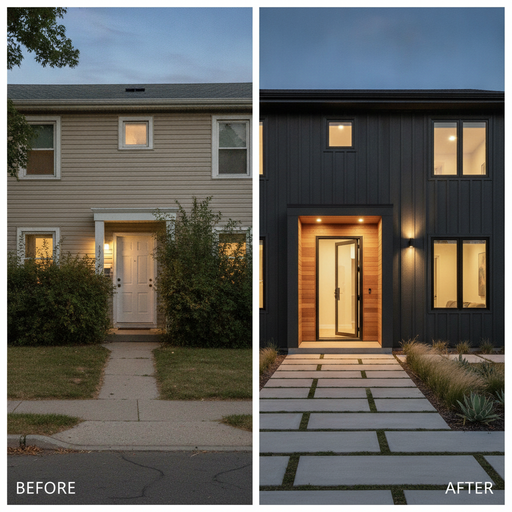
    From Dated to Dreamy: 10 Modern Exterior House Renovation Ideas to Boost Your Curb Appeal

    The First Impression: Why Your Home’s Exterior Matters

    Imagine pulling into your driveway after a long day at work. You look up, and instead of seeing a tired, weathered facade that feels like a relic of the past, you are greeted by a sleek, sophisticated sanctuary that reflects exactly who you are today. That is the power of a modern exterior renovation. We often spend so much time obsessing over kitchen backsplashes and living room layouts that we forget the exterior is the “handshake” of our home—it’s the first thing guests see and the primary factor in your property’s value.

    Modern design isn’t just about cold minimalism or looking like a tech office. It’s about intentionality, clean lines, and a harmonious relationship between the structure and its surroundings. Whether you live in a mid-century ranch, a traditional suburban two-story, or a charming bungalow, there are ways to infuse modern aesthetics into your home’s “skin” that feel timeless rather than trendy. In this guide, we’ll explore the most impactful renovation ideas to help you transition your home from dated to dreamy.

    1. Embrace the Power of High-Contrast Color Palettes

    One of the fastest ways to modernize an exterior is through color. Gone are the days when every house on the block had to be a safe shade of beige or eggshell. Today, modern homes are embracing high contrast. Think deep charcoals, moody blacks, or “iron ore” grays paired with crisp white trim or warm wood accents.

    A dark exterior can make a house appear more grounded and expensive. If you aren’t ready to commit to a fully dark house, consider the “tuxedo look”—white siding with black window frames and black gutters. This classic yet modern combination creates sharp lines that define the architectural shape of your home, making even an older structure look instantly updated.

    2. Mix Your Materials for Visual Depth

    A common mistake in older home design was using a single material for the entire exterior. Modern architecture thrives on texture. By mixing materials, you create visual interest and break up large, flat surfaces. Consider a combination of:

    • Horizontal Siding: Use classic fiber cement boards for durability.
    • Natural Wood Accents: Cedar or redwood panels around the entryway add warmth and an organic feel.
    • Stone Veneer: Incorporating stacked stone or large-format concrete tiles near the foundation or on a chimney adds a sense of permanence.
    • Metal Paneling: Corrugated or flat metal panels can add an industrial-modern edge to specific sections of the house.

    The key is balance. You don’t want the house to look busy; you want it to look curated. Choose one dominant material and use two others as accents to highlight architectural features like an entryway or a second-story bump-out.

    3. The “Black Window” Revolution

    If you have the budget for a single major change, let it be your windows. For decades, white vinyl windows were the standard, but they often look cheap and dated. Modern design has pivoted toward black or dark bronze frames. These dark frames act like a picture frame for the view outside, drawing the eye and providing a sophisticated, high-end look.

    To go truly modern, consider larger panes of glass with thier frames. If your home has traditional “grids” or “muntins” (those little bars that divide the glass), consider removing them or opting for a simple horizontal grid. This opens up the facade and allows more natural light to flood your interior, bridging the gap between inside and out.

    4. Redefine the Entryway

    Your front door is the focal point of the entire exterior. A modern renovation often involves replacing a standard, ornate wooden door with something more architectural. Look for doors with clean geometric lines, frosted glass inserts, or even oversized “pivot” doors if your structure allows for it.

    Don’t stop at the door. Consider the hardware—swap out brass handlesets for matte black or brushed gold linear pulls. Even your house numbers should get an upgrade. Modern, sans-serif typography in a vertical or horizontal layout can make a significant difference in the overall “vibe” of your porch.

    5. Modernize Your Landscaping (Xeriscaping and Geometry)

    You can renovate the house itself, but if the bushes are overgrown and the lawn is a messy patch of weeds, the modern look won’t stick. Modern landscaping is all about structure and intentionality. Instead of messy flower beds, think about:

    • Geometric Concrete Pavers: Use large rectangular stones with gravel or “steppable” ground cover in between.
    • Native Plants: Choose plants that are native to your region. They look more natural and require less water (a practice known as xeriscaping).
    • Mass Planting: Instead of one of everything, plant a dozen of the same ornamental grass in a neat row. This creates a clean, architectural look.
    • Defined Edges: Use steel or concrete edging to create sharp lines between your lawn, mulch, and walkways.

    6. Strategic Outdoor Lighting

    A modern home should look just as good at night as it does during the day. Modern lighting is about “layering.” You want more than just a single porch light. Use LED strip lighting under the eaves or along the stairs to create a soft glow. Use “up-lighting” to highlight a beautiful tree or a textured stone wall. Modern sconces—typically simple cylinders or cubes that cast light both up and down—can flank the front door to create a dramatic, welcoming entrance.

    7. Clean Up the Roofline

    The roof is often the most overlooked part of an exterior renovation. While you might not be able to change the pitch of your roof without a massive structural overhaul, you can modernize the materials. A standing-seam metal roof is the gold standard for modern homes. It’s durable, sleek, and comes in beautiful dark finishes that complement a modern color palette.

    If a metal roof isn’t in the cards, choose architectural shingles in a solid, dark color like charcoal or black. Avoid “multi-tonal” shingles that can look busy and dated. Additionally, ensure your gutters and downspouts are integrated into the design. Square-profile gutters in a color that matches your trim will disappear into the house rather than standing out as an eyesore.

    8. Garage Door Upgrades

    In many suburban homes, the garage door takes up 30% or more of the front facade. If your garage door is a standard white raised-panel design, it’s dragging your home’s aesthetic down. A modern garage door—perhaps one with frosted glass panels or a sleek wood-slat design—can completely transform the house. It turns a functional necessity into a design statement.

    9. Creating Outdoor Living Transitions

    Modern design emphasizes the “indoor-outdoor flow.” If your renovation allows, consider adding a modern deck or a front patio area. Use horizontal cable railings or glass panels instead of traditional wooden balusters. This keeps the sightlines open and maintains that minimalist aesthetic. Even a simple concrete pad with some modern Adirondack chairs and a fire pit can signal that your home is designed for a modern lifestyle.

    10. Focus on the Details: Mailboxes and Hardware

    Finally, don’t forget the small things. A modern renovation is often a sum of its parts. Replace that old plastic mailbox with a sleek metal one. Update your doorbell to a smart, minimalist version. Ensure your outdoor outlets have modern, low-profile covers. These details might seem small, but when they all align with a singular modern vision, the result is a home that feels cohesive, expensive, and deeply personal.

    Conclusion: The Journey to a Modern Home

    Renovating the exterior of your home is a journey of transformation. It’s about stripping away the uecessary and highlighting the beauty of form and function. By focusing on clean lines, a sophisticated color palette, and a mix of high-quality materials, you can take a house that feels stuck in the past and bring it firmly into the present. Remember, a modern exterior isn’t just about following trends—it’s about creating a timeless space that you are proud to call home every time you turn the corner into your driveway.

  • From Dated to Dreamy: 10 Modern Exterior House Renovation Ideas to Boost Your Curb Appeal

    From Dated to Dreamy: 10 Modern Exterior House Renovation Ideas to Boost Your Curb Appeal

    The First Impression: Why Your Home’s Exterior Matters

    Imagine pulling into your driveway after a long day at work. You look up, and instead of seeing a tired, weathered facade that feels like a relic of the past, you are greeted by a sleek, sophisticated sanctuary that reflects exactly who you are today. That is the power of a modern exterior renovation. We often spend so much time obsessing over kitchen backsplashes and living room layouts that we forget the exterior is the “handshake” of our home—it’s the first thing guests see and the primary factor in your property’s value.

    Modern design isn’t just about cold minimalism or looking like a tech office. It’s about intentionality, clean lines, and a harmonious relationship between the structure and its surroundings. Whether you live in a mid-century ranch, a traditional suburban two-story, or a charming bungalow, there are ways to infuse modern aesthetics into your home’s “skin” that feel timeless rather than trendy. In this guide, we’ll explore the most impactful renovation ideas to help you transition your home from dated to dreamy.

    1. Embrace the Power of High-Contrast Color Palettes

    One of the fastest ways to modernize an exterior is through color. Gone are the days when every house on the block had to be a safe shade of beige or eggshell. Today, modern homes are embracing high contrast. Think deep charcoals, moody blacks, or “iron ore” grays paired with crisp white trim or warm wood accents.

    A dark exterior can make a house appear more grounded and expensive. If you aren’t ready to commit to a fully dark house, consider the “tuxedo look”—white siding with black window frames and black gutters. This classic yet modern combination creates sharp lines that define the architectural shape of your home, making even an older structure look instantly updated.

    2. Mix Your Materials for Visual Depth

    A common mistake in older home design was using a single material for the entire exterior. Modern architecture thrives on texture. By mixing materials, you create visual interest and break up large, flat surfaces. Consider a combination of:

    • Horizontal Siding: Use classic fiber cement boards for durability.
    • Natural Wood Accents: Cedar or redwood panels around the entryway add warmth and an organic feel.
    • Stone Veneer: Incorporating stacked stone or large-format concrete tiles near the foundation or on a chimney adds a sense of permanence.
    • Metal Paneling: Corrugated or flat metal panels can add an industrial-modern edge to specific sections of the house.

    The key is balance. You don’t want the house to look busy; you want it to look curated. Choose one dominant material and use two others as accents to highlight architectural features like an entryway or a second-story bump-out.

    3. The “Black Window” Revolution

    If you have the budget for a single major change, let it be your windows. For decades, white vinyl windows were the standard, but they often look cheap and dated. Modern design has pivoted toward black or dark bronze frames. These dark frames act like a picture frame for the view outside, drawing the eye and providing a sophisticated, high-end look.

    To go truly modern, consider larger panes of glass with thier frames. If your home has traditional “grids” or “muntins” (those little bars that divide the glass), consider removing them or opting for a simple horizontal grid. This opens up the facade and allows more natural light to flood your interior, bridging the gap between inside and out.

    4. Redefine the Entryway

    Your front door is the focal point of the entire exterior. A modern renovation often involves replacing a standard, ornate wooden door with something more architectural. Look for doors with clean geometric lines, frosted glass inserts, or even oversized “pivot” doors if your structure allows for it.

    Don’t stop at the door. Consider the hardware—swap out brass handlesets for matte black or brushed gold linear pulls. Even your house numbers should get an upgrade. Modern, sans-serif typography in a vertical or horizontal layout can make a significant difference in the overall “vibe” of your porch.

    5. Modernize Your Landscaping (Xeriscaping and Geometry)

    You can renovate the house itself, but if the bushes are overgrown and the lawn is a messy patch of weeds, the modern look won’t stick. Modern landscaping is all about structure and intentionality. Instead of messy flower beds, think about:

    • Geometric Concrete Pavers: Use large rectangular stones with gravel or “steppable” ground cover in between.
    • Native Plants: Choose plants that are native to your region. They look more natural and require less water (a practice known as xeriscaping).
    • Mass Planting: Instead of one of everything, plant a dozen of the same ornamental grass in a neat row. This creates a clean, architectural look.
    • Defined Edges: Use steel or concrete edging to create sharp lines between your lawn, mulch, and walkways.

    6. Strategic Outdoor Lighting

    A modern home should look just as good at night as it does during the day. Modern lighting is about “layering.” You want more than just a single porch light. Use LED strip lighting under the eaves or along the stairs to create a soft glow. Use “up-lighting” to highlight a beautiful tree or a textured stone wall. Modern sconces—typically simple cylinders or cubes that cast light both up and down—can flank the front door to create a dramatic, welcoming entrance.

    7. Clean Up the Roofline

    The roof is often the most overlooked part of an exterior renovation. While you might not be able to change the pitch of your roof without a massive structural overhaul, you can modernize the materials. A standing-seam metal roof is the gold standard for modern homes. It’s durable, sleek, and comes in beautiful dark finishes that complement a modern color palette.

    If a metal roof isn’t in the cards, choose architectural shingles in a solid, dark color like charcoal or black. Avoid “multi-tonal” shingles that can look busy and dated. Additionally, ensure your gutters and downspouts are integrated into the design. Square-profile gutters in a color that matches your trim will disappear into the house rather than standing out as an eyesore.

    8. Garage Door Upgrades

    In many suburban homes, the garage door takes up 30% or more of the front facade. If your garage door is a standard white raised-panel design, it’s dragging your home’s aesthetic down. A modern garage door—perhaps one with frosted glass panels or a sleek wood-slat design—can completely transform the house. It turns a functional necessity into a design statement.

    9. Creating Outdoor Living Transitions

    Modern design emphasizes the “indoor-outdoor flow.” If your renovation allows, consider adding a modern deck or a front patio area. Use horizontal cable railings or glass panels instead of traditional wooden balusters. This keeps the sightlines open and maintains that minimalist aesthetic. Even a simple concrete pad with some modern Adirondack chairs and a fire pit can signal that your home is designed for a modern lifestyle.

    10. Focus on the Details: Mailboxes and Hardware

    Finally, don’t forget the small things. A modern renovation is often a sum of its parts. Replace that old plastic mailbox with a sleek metal one. Update your doorbell to a smart, minimalist version. Ensure your outdoor outlets have modern, low-profile covers. These details might seem small, but when they all align with a singular modern vision, the result is a home that feels cohesive, expensive, and deeply personal.

    Conclusion: The Journey to a Modern Home

    Renovating the exterior of your home is a journey of transformation. It’s about stripping away the uecessary and highlighting the beauty of form and function. By focusing on clean lines, a sophisticated color palette, and a mix of high-quality materials, you can take a house that feels stuck in the past and bring it firmly into the present. Remember, a modern exterior isn’t just about following trends—it’s about creating a timeless space that you are proud to call home every time you turn the corner into your driveway.

  • From Curb Appeal to Character: The Ultimate Guide to Custom Exterior Siding Materials

    From Curb Appeal to Character: The Ultimate Guide to Custom Exterior Siding Materials

    The Story of Your Home Begins at the Curb

    Imagine pulling into your driveway after a long day. Before you even turn off the engine, you catch a glimpse of your house. What does it say to you? Does it whisper tales of classic craftsmanship, or does it shout with the bold lines of modern iovation? Your home’s exterior siding is more than just a protective shell; it is the “skin” of your sanctuary, the first impression you give to the world, and the most significant factor in your home’s curb appeal.

    For years, homeowners felt limited to a handful of “standard” options—usually whatever was on sale at the local hardware store. But today, the world of custom exterior siding has exploded. We are living in a golden age of home design where materials, textures, and colors can be blended to create a look that is uniquely yours. Whether you are building your dream home from scratch or giving an old favorite a much-needed facelift, choosing the right siding is one of the most important decisions you will make. Let’s walk through the most compelling custom siding options available today and find the one that tells your story.

    The Versatile Hero: Fiber Cement Siding

    If there were a popularity contest for siding materials, fiber cement would likely take the crown. It is the ultimate “chameleon” of the industry. Made from a mixture of cement, sand, and cellulose fibers, this material can be molded to look like almost anything—from traditional wood clapboard to sleek, modern panels.

    Why do homeowners love it? Because it offers the beauty of wood without the heartbreak of rot or termites. It is incredibly durable, fire-resistant, and holds paint like a dream. Brands like James Hardie have pioneered this space, offering “ColorPlus” technology that ensures your home stays vibrant for decades. If you want a custom look that mimics a historic cedar cottage but requires the maintenance of a brick fortress, fiber cement is your best friend.

    Customizing with Fiber Cement

    • Texture: Choose between smooth finishes for a modern look or wood-grain textures for a rustic feel.
    • Style: Available in planks, shingles (shakes), or large architectural panels for a minimalist aesthetic.
    • Trim: Use contrasting trim colors to make your windows and corners pop.

    The Timeless Elegance of Natural Wood

    There is something about natural wood that touches the soul. It feels organic, warm, and grounded. For the homeowner who values authenticity above all else, custom wood siding is the gold standard. Whether it’s the rich reds of Western Red Cedar or the silver-grey weathering of Redwood, natural wood provides a character that synthetic materials struggle to perfectly replicate.

    Customizing wood siding is where the artistry really happens. You aren’t just picking a color; you’re picking a grade of wood, a grain pattern, and a profile. From classic tongue-and-groove to the rugged charm of “live edge” siding, wood allows your home to blend seamlessly into a natural landscape.

    However, beauty comes with a responsibility. Wood requires regular staining or sealing to prevent moisture damage. But for many, the effort is a small price to pay for a home that ages gracefully and develops a unique patina over time.

    Modern Sophistication: Metal Siding

    Gone are the days when metal siding was reserved for barns and warehouses. In the world of high-end custom homes, metal—specifically aluminum and steel—is making a massive comeback. It is the darling of architects who specialize in “Industrial Chic” or “Modern Farmhouse” designs.

    Metal siding is incredibly sleek. It offers clean, sharp lines that are impossible to achieve with thicker materials. It’s also one of the most sustainable options on the market, as it is often made from recycled content and is 100% recyclable at the end of its long life. If you live in an area prone to wildfires or extreme weather, metal is a powerhouse of protection.

    Metal Siding Variations

    • Corrugated Panels: Adds a rhythmic, textured look that plays with light and shadow.
    • Longboard Aluminum: Specialized planks that look exactly like wood but offer the lifetime durability of metal.
    • Standing Seam: Often used on roofs, but increasingly popular as a vertical wall cladding for a dramatic, soaring effect.

    The Rugged Luxury of Stone Veneer

    If you want your home to feel permanent, sturdy, and prestigious, stone is the answer. While a full-depth stone wall is often prohibitively expensive and heavy, custom stone veneer has changed the game. These are thin slices of real or manufactured stone that can be applied to the exterior of your home like a puzzle.

    The beauty of stone veneer is in its ability to act as an accent. Very few people clad their entire house in stone; instead, they use it to “anchor” the design. Imagine a home with dark charcoal fiber cement siding and a towering stone chimney, or a stone “skirt” that runs along the foundation. It adds a tactile, three-dimensional element that makes the architecture feel grounded to the earth.

    Engineered Wood: The Best of Both Worlds

    For those who love the look of wood but have a busy lifestyle that doesn’t allow for constant maintenance, engineered wood (such as LP SmartSide) is a revolutionary choice. It is made from wood strands treated with zinc borate and waxes, then bonded with industrial-grade resins. The result is a product that looks and cuts just like real wood but is significantly more resistant to moisture, fungal decay, and impacts.

    Because it is an engineered product, the planks come in longer lengths (up to 16 feet), which means fewer seams on your walls. Fewer seams mean a cleaner, more custom look that keeps the eyes focused on the design rather than the joints.

    The Art of the Mix: Creating a Custom Facade

    The most stuing modern homes don’t use just one material. They use a “palette” of materials. This is where you can truly let your personality shine. The secret to a high-end custom look is contrast.

    Think about mixing textures. You might use smooth, dark grey metal panels on the upper floor to contrast with a warm, horizontal cedar siding on the ground floor. Or perhaps you pair white board-and-batten siding with black-framed windows and a stone entryway. By mixing materials, you define different sections of your home, creating visual interest and “breaking up” large walls that might otherwise look boring.

    Climate Considerations: Form Follows Function

    While aesthetics are vital, your choice of custom siding must also be practical for your environment. A material that thrives in the dry heat of Arizona might struggle in the humid, salty air of the Florida coast.

    • For Coastal Areas: Look for fiber cement or high-grade aluminum. These materials resist the corrosive effects of salt spray.
    • For Humid/Rainy Climates: Avoid natural wood unless you are prepared for heavy maintenance. Engineered wood or vinyl-alternatives are better at resisting rot.
    • For Extreme Cold: Ensure your siding choice allows for proper insulation and handles expansion and contraction without cracking.

    Conclusion: Investing in Your Home’s Identity

    Choosing your exterior siding is a journey of discovery. It’s about finding the balance between your personal style, your budget, and the practical needs of your climate. Whether you choose the timeless warmth of cedar, the industrial strength of metal, or the versatile reliability of fiber cement, remember that your siding is an investment in your home’s future value and your daily happiness.

    Don’t be afraid to think outside the box. Samples are your best friends—take them home, hold them up against your walls at different times of the day, and see how the light interacts with the textures. Your home is your canvas. With the right custom siding, you can turn a simple house into a masterpiece that you’ll be proud to come home to for years to come.

  • From Curb Appeal to Character: The Ultimate Guide to Custom Exterior Siding Materials

    From Curb Appeal to Character: The Ultimate Guide to Custom Exterior Siding Materials

    The Story of Your Home Begins at the Curb

    Imagine pulling into your driveway after a long day. Before you even turn off the engine, you catch a glimpse of your house. What does it say to you? Does it whisper tales of classic craftsmanship, or does it shout with the bold lines of modern iovation? Your home’s exterior siding is more than just a protective shell; it is the “skin” of your sanctuary, the first impression you give to the world, and the most significant factor in your home’s curb appeal.

    For years, homeowners felt limited to a handful of “standard” options—usually whatever was on sale at the local hardware store. But today, the world of custom exterior siding has exploded. We are living in a golden age of home design where materials, textures, and colors can be blended to create a look that is uniquely yours. Whether you are building your dream home from scratch or giving an old favorite a much-needed facelift, choosing the right siding is one of the most important decisions you will make. Let’s walk through the most compelling custom siding options available today and find the one that tells your story.

    The Versatile Hero: Fiber Cement Siding

    If there were a popularity contest for siding materials, fiber cement would likely take the crown. It is the ultimate “chameleon” of the industry. Made from a mixture of cement, sand, and cellulose fibers, this material can be molded to look like almost anything—from traditional wood clapboard to sleek, modern panels.

    Why do homeowners love it? Because it offers the beauty of wood without the heartbreak of rot or termites. It is incredibly durable, fire-resistant, and holds paint like a dream. Brands like James Hardie have pioneered this space, offering “ColorPlus” technology that ensures your home stays vibrant for decades. If you want a custom look that mimics a historic cedar cottage but requires the maintenance of a brick fortress, fiber cement is your best friend.

    Customizing with Fiber Cement

    • Texture: Choose between smooth finishes for a modern look or wood-grain textures for a rustic feel.
    • Style: Available in planks, shingles (shakes), or large architectural panels for a minimalist aesthetic.
    • Trim: Use contrasting trim colors to make your windows and corners pop.

    The Timeless Elegance of Natural Wood

    There is something about natural wood that touches the soul. It feels organic, warm, and grounded. For the homeowner who values authenticity above all else, custom wood siding is the gold standard. Whether it’s the rich reds of Western Red Cedar or the silver-grey weathering of Redwood, natural wood provides a character that synthetic materials struggle to perfectly replicate.

    Customizing wood siding is where the artistry really happens. You aren’t just picking a color; you’re picking a grade of wood, a grain pattern, and a profile. From classic tongue-and-groove to the rugged charm of “live edge” siding, wood allows your home to blend seamlessly into a natural landscape.

    However, beauty comes with a responsibility. Wood requires regular staining or sealing to prevent moisture damage. But for many, the effort is a small price to pay for a home that ages gracefully and develops a unique patina over time.

    Modern Sophistication: Metal Siding

    Gone are the days when metal siding was reserved for barns and warehouses. In the world of high-end custom homes, metal—specifically aluminum and steel—is making a massive comeback. It is the darling of architects who specialize in “Industrial Chic” or “Modern Farmhouse” designs.

    Metal siding is incredibly sleek. It offers clean, sharp lines that are impossible to achieve with thicker materials. It’s also one of the most sustainable options on the market, as it is often made from recycled content and is 100% recyclable at the end of its long life. If you live in an area prone to wildfires or extreme weather, metal is a powerhouse of protection.

    Metal Siding Variations

    • Corrugated Panels: Adds a rhythmic, textured look that plays with light and shadow.
    • Longboard Aluminum: Specialized planks that look exactly like wood but offer the lifetime durability of metal.
    • Standing Seam: Often used on roofs, but increasingly popular as a vertical wall cladding for a dramatic, soaring effect.

    The Rugged Luxury of Stone Veneer

    If you want your home to feel permanent, sturdy, and prestigious, stone is the answer. While a full-depth stone wall is often prohibitively expensive and heavy, custom stone veneer has changed the game. These are thin slices of real or manufactured stone that can be applied to the exterior of your home like a puzzle.

    The beauty of stone veneer is in its ability to act as an accent. Very few people clad their entire house in stone; instead, they use it to “anchor” the design. Imagine a home with dark charcoal fiber cement siding and a towering stone chimney, or a stone “skirt” that runs along the foundation. It adds a tactile, three-dimensional element that makes the architecture feel grounded to the earth.

    Engineered Wood: The Best of Both Worlds

    For those who love the look of wood but have a busy lifestyle that doesn’t allow for constant maintenance, engineered wood (such as LP SmartSide) is a revolutionary choice. It is made from wood strands treated with zinc borate and waxes, then bonded with industrial-grade resins. The result is a product that looks and cuts just like real wood but is significantly more resistant to moisture, fungal decay, and impacts.

    Because it is an engineered product, the planks come in longer lengths (up to 16 feet), which means fewer seams on your walls. Fewer seams mean a cleaner, more custom look that keeps the eyes focused on the design rather than the joints.

    The Art of the Mix: Creating a Custom Facade

    The most stuing modern homes don’t use just one material. They use a “palette” of materials. This is where you can truly let your personality shine. The secret to a high-end custom look is contrast.

    Think about mixing textures. You might use smooth, dark grey metal panels on the upper floor to contrast with a warm, horizontal cedar siding on the ground floor. Or perhaps you pair white board-and-batten siding with black-framed windows and a stone entryway. By mixing materials, you define different sections of your home, creating visual interest and “breaking up” large walls that might otherwise look boring.

    Climate Considerations: Form Follows Function

    While aesthetics are vital, your choice of custom siding must also be practical for your environment. A material that thrives in the dry heat of Arizona might struggle in the humid, salty air of the Florida coast.

    • For Coastal Areas: Look for fiber cement or high-grade aluminum. These materials resist the corrosive effects of salt spray.
    • For Humid/Rainy Climates: Avoid natural wood unless you are prepared for heavy maintenance. Engineered wood or vinyl-alternatives are better at resisting rot.
    • For Extreme Cold: Ensure your siding choice allows for proper insulation and handles expansion and contraction without cracking.

    Conclusion: Investing in Your Home’s Identity

    Choosing your exterior siding is a journey of discovery. It’s about finding the balance between your personal style, your budget, and the practical needs of your climate. Whether you choose the timeless warmth of cedar, the industrial strength of metal, or the versatile reliability of fiber cement, remember that your siding is an investment in your home’s future value and your daily happiness.

    Don’t be afraid to think outside the box. Samples are your best friends—take them home, hold them up against your walls at different times of the day, and see how the light interacts with the textures. Your home is your canvas. With the right custom siding, you can turn a simple house into a masterpiece that you’ll be proud to come home to for years to come.

  • From Blueprint to Curb Appeal: A Realistic Guide to Your Custom Home Exterior Timeline and Costs

    From Blueprint to Curb Appeal: A Realistic Guide to Your Custom Home Exterior Timeline and Costs

    The Dream of the Perfect Facade

    Imagine standing at the edge of an empty lot, clutching a rolled-up set of blueprints that contain the future of your family’s life. You can almost see it—the way the morning sun will hit the gables, the texture of the stone accents, and the inviting glow of the entryway. But then, reality sets in. How long will it actually take to transform this patch of dirt into a stuing custom exterior? And more importantly, what is it going to do to your bank account?

    Building a custom home exterior is a journey of a thousand decisions. Unlike a cookie-cutter subdivision home, a custom exterior is a reflection of your personality. However, that uniqueness comes with a complex web of timelines and costs. To help you navigate this process without losing your mind, we’re going to break down the stages of construction, the financial investment required, and the storytelling rhythm of bringing a house to life.

    Phase 1: The Invisible Foundation (Plaing and Permits)

    Every great story starts with a solid setup. Before a single hammer swings, there is a period of “invisible work.” For most homeowners, this is the most frustrating part of the timeline because it feels like nothing is happening. In reality, this is where the most critical decisions are made.

    The Timeline: 1 to 3 Months

    Depending on your local municipality, getting permits can take anywhere from a few weeks to several months. During this time, you are finalizing material selections. Are you going with James Hardie siding or natural cedar? Will the roof be architectural shingles or standing seam metal? These choices must be locked in early because supply chain lead times can drastically affect your start date.

    The Cost: $5,000 – $15,000+

    While you aren’t paying for physical labor yet, you are paying for architectural fees, engineering reports, and permit applications. Skipping the professional design phase to save money is a classic mistake that often leads to “change orders” later, which are the primary killers of construction budgets.

    Phase 2: Framing and The Building Envelope

    This is the “growth spurt” phase. One day you have a foundation, and a week later, you have the skeleton of a house. It’s an exciting time where the scale of your vision finally becomes tangible.

    The Timeline: 4 to 8 Weeks

    Once the foundation is cured, framing moves quickly. However, the exterior isn’t just wood. It involves the installation of the “house wrap” or weather barrier. This is the skin of the house that protects it from moisture. After framing, the windows and exterior doors are installed. A “dried-in” house is a major milestone because it means the interior is finally protected from the elements.

    The Cost: $30,000 – $100,000+

    Framing costs vary wildly based on the complexity of your roofline and the square footage. Large, custom windows are another major expense. In the current market, a single high-end custom front door can cost as much as a used car. Expect to allocate a significant portion of your budget here to ensure the structure is sound and energy-efficient.

    Phase 3: The “Face” of the Home (Siding and Masonry)

    This is where the magic happens. This phase is what people actually see when they drive by. It’s the difference between a house that looks “under construction” and one that looks like a home.

    The Timeline: 3 to 6 Weeks

    Installing siding, brick, or stone is meticulous work. If you’ve choseatural stone veneer, the process is much slower than installing vinyl or composite siding. Every stone is hand-cut and placed by a mason. Weather plays a massive role here; a week of heavy rain can easily push your masonry schedule back by ten days.

    The Cost: $15,000 – $75,000

    Materials are the primary driver here.

    • Vinyl Siding: Affordable and fast, but lacks that “custom” feel.
    • Fiber Cement (Hardie Board): The gold standard for durability and aesthetics.
    • Natural Stone/Brick: The most expensive option, but offers incredible ROI and longevity.

    Don’t forget the trim! Fascia, soffits, and decorative corbels add that “finished” look but require detailed labor that adds up quickly.

    Phase 4: Roofing and Finishing Touches

    A roof is more than just protection; it’s the hat that completes the outfit. At the same time, painters and light installers are buzzing around the perimeter.

    The Timeline: 1 to 2 Weeks

    Most roofing jobs only take a few days, but they require a clear weather window. Once the roof is on, the exterior painters arrive to provide the final color palette. Finally, the “jewelry” of the home—the exterior lanterns, house numbers, and mailbox—are installed.

    The Cost: $10,000 – $40,000

    Standard asphalt shingles are the most common choice, costing on the lower end. However, if you opt for slate, tile, or high-end metal roofing, your costs can triple. Exterior lighting and gutters often surprise homeowners with their price tags, so keep a “miscellaneous” fund of at least $5,000 for these finishing touches.

    Why Does the Price Change? (The Hidden Variables)

    You might look at these numbers and wonder why the ranges are so wide. The truth is, building a custom home exterior is like ordering a suit. You can buy one off the rack, or you can have one hand-stitched to your exact measurements. Here are the three things that usually drive the price up:

    1. Architectural Complexity

    A simple rectangular house is easy to clad. A house with multiple gables, turrets, bump-outs, and varying roof pitches requires significantly more material waste and much higher labor costs. Every corner and every joint is a potential point of failure that requires expert craftsmanship.

    2. Geographical Location

    Building in a coastal area requires hurricane-rated windows and salt-resistant finishes, which are significantly more expensive. Building in the mountains may require extra insulation and fire-resistant materials. Furthermore, labor rates in metropolitan areas like New York or San Francisco can be double what they are in rural areas.

    3. Supply Chain and Inflation

    In the post-2020 world, material costs are no longer static. Lumber, steel, and resin-based products fluctuate monthly. A quote you received in January might not be valid in June. Always build a 10-15% “inflation cushion” into your budget to avoid mid-project heartaches.

    The Emotional Timeline: Managing Your Expectations

    Beyond the weeks and the dollars, there is the emotional toll. There will be a week where it looks like nothing happened. There will be a day when the wrong color stone arrives. This is all part of the story. The key to a successful custom exterior build is communication. A good contractor will keep you updated on the “why” behind every delay.

    The total timeline for a custom home exterior typically spans 4 to 8 months from the first permit to the final coat of paint. It is a marathon, not a sprint. But the first time you pull into your driveway and see your vision standing there, solid and beautiful, the months of waiting and every dollar spent will feel worth it.

    Conclusion

    Creating a custom home exterior is a massive undertaking that requires balancing your aesthetic dreams with the hard reality of budgets and schedules. By understanding that the process involves distinct phases—from the quiet plaing stages to the flurry of masonry and finishing—you can approach your project with confidence. Plan for a timeline of roughly six months and a budget that accounts for both your “must-haves” and those inevitable “just-in-case” moments. In the end, you aren’t just building a shell; you’re building the face of your future memories.

  • From Blueprint to Curb Appeal: A Realistic Guide to Your Custom Home Exterior Timeline and Costs

    From Blueprint to Curb Appeal: A Realistic Guide to Your Custom Home Exterior Timeline and Costs

    The Dream of the Perfect Facade

    Imagine standing at the edge of an empty lot, clutching a rolled-up set of blueprints that contain the future of your family’s life. You can almost see it—the way the morning sun will hit the gables, the texture of the stone accents, and the inviting glow of the entryway. But then, reality sets in. How long will it actually take to transform this patch of dirt into a stuing custom exterior? And more importantly, what is it going to do to your bank account?

    Building a custom home exterior is a journey of a thousand decisions. Unlike a cookie-cutter subdivision home, a custom exterior is a reflection of your personality. However, that uniqueness comes with a complex web of timelines and costs. To help you navigate this process without losing your mind, we’re going to break down the stages of construction, the financial investment required, and the storytelling rhythm of bringing a house to life.

    Phase 1: The Invisible Foundation (Plaing and Permits)

    Every great story starts with a solid setup. Before a single hammer swings, there is a period of “invisible work.” For most homeowners, this is the most frustrating part of the timeline because it feels like nothing is happening. In reality, this is where the most critical decisions are made.

    The Timeline: 1 to 3 Months

    Depending on your local municipality, getting permits can take anywhere from a few weeks to several months. During this time, you are finalizing material selections. Are you going with James Hardie siding or natural cedar? Will the roof be architectural shingles or standing seam metal? These choices must be locked in early because supply chain lead times can drastically affect your start date.

    The Cost: $5,000 – $15,000+

    While you aren’t paying for physical labor yet, you are paying for architectural fees, engineering reports, and permit applications. Skipping the professional design phase to save money is a classic mistake that often leads to “change orders” later, which are the primary killers of construction budgets.

    Phase 2: Framing and The Building Envelope

    This is the “growth spurt” phase. One day you have a foundation, and a week later, you have the skeleton of a house. It’s an exciting time where the scale of your vision finally becomes tangible.

    The Timeline: 4 to 8 Weeks

    Once the foundation is cured, framing moves quickly. However, the exterior isn’t just wood. It involves the installation of the “house wrap” or weather barrier. This is the skin of the house that protects it from moisture. After framing, the windows and exterior doors are installed. A “dried-in” house is a major milestone because it means the interior is finally protected from the elements.

    The Cost: $30,000 – $100,000+

    Framing costs vary wildly based on the complexity of your roofline and the square footage. Large, custom windows are another major expense. In the current market, a single high-end custom front door can cost as much as a used car. Expect to allocate a significant portion of your budget here to ensure the structure is sound and energy-efficient.

    Phase 3: The “Face” of the Home (Siding and Masonry)

    This is where the magic happens. This phase is what people actually see when they drive by. It’s the difference between a house that looks “under construction” and one that looks like a home.

    The Timeline: 3 to 6 Weeks

    Installing siding, brick, or stone is meticulous work. If you’ve choseatural stone veneer, the process is much slower than installing vinyl or composite siding. Every stone is hand-cut and placed by a mason. Weather plays a massive role here; a week of heavy rain can easily push your masonry schedule back by ten days.

    The Cost: $15,000 – $75,000

    Materials are the primary driver here.

    • Vinyl Siding: Affordable and fast, but lacks that “custom” feel.
    • Fiber Cement (Hardie Board): The gold standard for durability and aesthetics.
    • Natural Stone/Brick: The most expensive option, but offers incredible ROI and longevity.

    Don’t forget the trim! Fascia, soffits, and decorative corbels add that “finished” look but require detailed labor that adds up quickly.

    Phase 4: Roofing and Finishing Touches

    A roof is more than just protection; it’s the hat that completes the outfit. At the same time, painters and light installers are buzzing around the perimeter.

    The Timeline: 1 to 2 Weeks

    Most roofing jobs only take a few days, but they require a clear weather window. Once the roof is on, the exterior painters arrive to provide the final color palette. Finally, the “jewelry” of the home—the exterior lanterns, house numbers, and mailbox—are installed.

    The Cost: $10,000 – $40,000

    Standard asphalt shingles are the most common choice, costing on the lower end. However, if you opt for slate, tile, or high-end metal roofing, your costs can triple. Exterior lighting and gutters often surprise homeowners with their price tags, so keep a “miscellaneous” fund of at least $5,000 for these finishing touches.

    Why Does the Price Change? (The Hidden Variables)

    You might look at these numbers and wonder why the ranges are so wide. The truth is, building a custom home exterior is like ordering a suit. You can buy one off the rack, or you can have one hand-stitched to your exact measurements. Here are the three things that usually drive the price up:

    1. Architectural Complexity

    A simple rectangular house is easy to clad. A house with multiple gables, turrets, bump-outs, and varying roof pitches requires significantly more material waste and much higher labor costs. Every corner and every joint is a potential point of failure that requires expert craftsmanship.

    2. Geographical Location

    Building in a coastal area requires hurricane-rated windows and salt-resistant finishes, which are significantly more expensive. Building in the mountains may require extra insulation and fire-resistant materials. Furthermore, labor rates in metropolitan areas like New York or San Francisco can be double what they are in rural areas.

    3. Supply Chain and Inflation

    In the post-2020 world, material costs are no longer static. Lumber, steel, and resin-based products fluctuate monthly. A quote you received in January might not be valid in June. Always build a 10-15% “inflation cushion” into your budget to avoid mid-project heartaches.

    The Emotional Timeline: Managing Your Expectations

    Beyond the weeks and the dollars, there is the emotional toll. There will be a week where it looks like nothing happened. There will be a day when the wrong color stone arrives. This is all part of the story. The key to a successful custom exterior build is communication. A good contractor will keep you updated on the “why” behind every delay.

    The total timeline for a custom home exterior typically spans 4 to 8 months from the first permit to the final coat of paint. It is a marathon, not a sprint. But the first time you pull into your driveway and see your vision standing there, solid and beautiful, the months of waiting and every dollar spent will feel worth it.

    Conclusion

    Creating a custom home exterior is a massive undertaking that requires balancing your aesthetic dreams with the hard reality of budgets and schedules. By understanding that the process involves distinct phases—from the quiet plaing stages to the flurry of masonry and finishing—you can approach your project with confidence. Plan for a timeline of roughly six months and a budget that accounts for both your “must-haves” and those inevitable “just-in-case” moments. In the end, you aren’t just building a shell; you’re building the face of your future memories.

  • The Hidden Truth Behind Custom Exterior Painting Costs: What You Need to Know Before You Hire

    The Hidden Truth Behind Custom Exterior Painting Costs: What You Need to Know Before You Hire

    The Morning Realization: Why Your Home’s First Impression Matters

    Imagine pulling into your driveway after a long day at work. The sun is setting, casting a warm glow over your neighborhood. You look at your house—the biggest investment of your life—and instead of feeling a surge of pride, you notice the hairline cracks in the stucco, the peeling paint on the window trim, and a color that looks more like a relic of the 1990s than a modern sanctuary. It happens to the best of us. Over time, the elements take their toll, and your home’s “skin” begins to show its age.

    You decide it’s time for a change. You want a custom look—something that stands out, reflects your personality, and protects your home for the next decade. But then comes the big question that halts every homeowner in their tracks: “How much is this actually going to cost me?” If you’ve started searching for quotes, you’ve likely realized that “custom exterior painting cost” isn’t a simple number you can pull off a shelf. It is a complex calculation of labor, materials, architecture, and preparation. In this guide, we’re going to peel back the layers and explore exactly what goes into the price of a professional, custom exterior paint job.

    Breaking Down the Averages: What Are You Really Paying For?

    In the United States, the average cost to paint a home exterior typically ranges from $3,000 to $10,000. However, for a truly “custom” job—one that involves high-end paints, multiple colors for accents, and meticulous detail work—those numbers can easily climb to $15,000 or more. Why the wide gap? It’s because no two houses are built exactly the same.

    When we talk about custom painting, we aren’t just talking about slapping a single color on four walls. We are talking about a tailored approach that considers the architectural integrity of your home. Are you painting a sprawling one-story ranch or a towering three-story Victorian with intricate gingerbread trim? The complexity of the structure is the primary driver of cost. More height means more equipment, more safety risks, and significantly more time spent on ladders and scaffolding.

    Square Footage vs. Linear Footage

    Most contractors will estimate your cost based on the square footage of your home’s exterior. However, custom work often looks at “linear footage” for the trim, eaves, and fascia. If your design includes a contrasting color for the window frames, shutters, and porch railings, the labor hours increase exponentially. Customization is in the details, and details take time.

    The Secret Sauce: Why Prep Work is 70% of the Bill

    There is a saying in the painting industry: “The finish is only as good as the prep.” If a painter offers you a price that seems too good to be true, they are likely cutting corners on the preparation phase. In a high-quality custom job, the actual painting is the shortest part of the process. The real work happens before a single drop of color touches the wall.

    • Power Washing: Every home needs a deep clean to remove dirt, mildew, and pollutants that prevent paint from bonding.
    • Scraping and Sanding: Old, flaking paint must be removed. This is a labor-intensive process that ensures the new coat won’t peel off in six months.
    • Caulking and Sealing: This is crucial for energy efficiency and moisture protection. A custom pro will seal every gap around windows, doors, and joints.
    • Repairing Damage: Whether it’s wood rot on a siding board or a crack in the stucco, these issues must be fixed first. You don’t want to paint over a problem; you want to solve it.

    When you see a higher quote, you are often paying for the peace of mind that your home is being structurally protected, not just decorated.

    Materials: The Difference Between a 5-Year and a 15-Year Life Cycle

    Not all paints are created equal. When you go the custom route, you are usually opting for premium, architectural-grade paints. While a standard bucket of paint might cost $30, a high-end elastomeric or modified acrylic paint can cost $70 to $100 per gallon. While that sounds expensive, consider the longevity.

    Cheap paint fades under UV rays and becomes brittle in the cold. Premium paints are designed to be flexible—they expand and contract with your home as the temperature changes. They also contain higher concentrations of pigments and resins, which provide better coverage and a richer, more vibrant color. In the world of custom painting, spending an extra $1,000 on materials today can save you $8,000 in repainting costs five years from now.

    Custom Color Consultations

    One of the perks of a custom project is the color consultation. Many high-end painting companies include a professional designer in their package. They help you choose a palette that complements your roof color, your landscaping, and even the natural light of your specific geographic location. This added value ensures you won’t regret your color choice the moment it hits the siding.

    The Impact of Siding Material on Price

    The material of your home’s exterior dictates the type of paint needed and the amount of labor required to apply it. Here is a quick look at how different materials affect the cost:

    • Wood Siding: Wood is beautiful but high maintenance. It requires significant sanding and priming. Because it is porous, it absorbs more paint, meaning you’ll need more gallons to get the job done.
    • Stucco: Stucco has a heavy texture. It requires specialized thick-nap rollers or airless sprayers to ensure the paint gets into every nook and cray. If the stucco is “hot” (new), it requires specific primers to handle the alkalinity.
    • Vinyl Siding: Painting vinyl is cost-effective, but you must use “vinyl-safe” colors. If you paint vinyl too dark, it will absorb too much heat and warp the siding.
    • Brick: Painting brick is a major trend, but it’s a permanent decision. It requires high-quality mineral paints or breathable coatings to ensure moisture isn’t trapped inside the brick, which could lead to structural damage.

    DIY vs. Professional: Is the Savings Worth the Stress?

    It’s tempting to look at a $6,000 quote and think, “I could buy a ladder and do that myself for $1,000.” While the math seems to work on paper, the reality of DIY exterior painting is often a nightmare for the average homeowner. Painting an exterior is physically grueling work that involves heights, chemical handling, and specialized equipment like power washers and sprayers.

    Professional painters bring a crew. What would take you six weekends of back-breaking labor, a pro crew can finish in four days. Furthermore, professionals carry insurance. If a DIYer falls off a ladder, it’s a medical catastrophe. If a pro has an accident, they are covered. Finally, there is the warranty. Most custom painting companies offer a 2 to 5-year warranty on their workmanship—something you won’t get if you do it yourself.

    Conclusion: An Investment in Your Home’s Future

    When you look at the custom exterior painting cost, try not to view it as a simple expense. Instead, look at it as an investment in your home’s equity and protection. A fresh, professional paint job can increase a home’s value by up to 5% and provides a vital barrier against rot, mold, and pests.

    The key to a successful project is transparency. Ask for a detailed, itemized quote. Ensure the contractor specifies the brand of paint they will use and exactly what prep work is included. By understanding the variables—from the height of your gables to the quality of the caulk—you can make an informed decision that ensures your home looks stuing for years to come. Your home is your sanctuary; give it the finish it deserves.

  • The Hidden Truth Behind Custom Exterior Painting Costs: What You Need to Know Before You Hire

    The Hidden Truth Behind Custom Exterior Painting Costs: What You Need to Know Before You Hire

    The Morning Realization: Why Your Home’s First Impression Matters

    Imagine pulling into your driveway after a long day at work. The sun is setting, casting a warm glow over your neighborhood. You look at your house—the biggest investment of your life—and instead of feeling a surge of pride, you notice the hairline cracks in the stucco, the peeling paint on the window trim, and a color that looks more like a relic of the 1990s than a modern sanctuary. It happens to the best of us. Over time, the elements take their toll, and your home’s “skin” begins to show its age.

    You decide it’s time for a change. You want a custom look—something that stands out, reflects your personality, and protects your home for the next decade. But then comes the big question that halts every homeowner in their tracks: “How much is this actually going to cost me?” If you’ve started searching for quotes, you’ve likely realized that “custom exterior painting cost” isn’t a simple number you can pull off a shelf. It is a complex calculation of labor, materials, architecture, and preparation. In this guide, we’re going to peel back the layers and explore exactly what goes into the price of a professional, custom exterior paint job.

    Breaking Down the Averages: What Are You Really Paying For?

    In the United States, the average cost to paint a home exterior typically ranges from $3,000 to $10,000. However, for a truly “custom” job—one that involves high-end paints, multiple colors for accents, and meticulous detail work—those numbers can easily climb to $15,000 or more. Why the wide gap? It’s because no two houses are built exactly the same.

    When we talk about custom painting, we aren’t just talking about slapping a single color on four walls. We are talking about a tailored approach that considers the architectural integrity of your home. Are you painting a sprawling one-story ranch or a towering three-story Victorian with intricate gingerbread trim? The complexity of the structure is the primary driver of cost. More height means more equipment, more safety risks, and significantly more time spent on ladders and scaffolding.

    Square Footage vs. Linear Footage

    Most contractors will estimate your cost based on the square footage of your home’s exterior. However, custom work often looks at “linear footage” for the trim, eaves, and fascia. If your design includes a contrasting color for the window frames, shutters, and porch railings, the labor hours increase exponentially. Customization is in the details, and details take time.

    The Secret Sauce: Why Prep Work is 70% of the Bill

    There is a saying in the painting industry: “The finish is only as good as the prep.” If a painter offers you a price that seems too good to be true, they are likely cutting corners on the preparation phase. In a high-quality custom job, the actual painting is the shortest part of the process. The real work happens before a single drop of color touches the wall.

    • Power Washing: Every home needs a deep clean to remove dirt, mildew, and pollutants that prevent paint from bonding.
    • Scraping and Sanding: Old, flaking paint must be removed. This is a labor-intensive process that ensures the new coat won’t peel off in six months.
    • Caulking and Sealing: This is crucial for energy efficiency and moisture protection. A custom pro will seal every gap around windows, doors, and joints.
    • Repairing Damage: Whether it’s wood rot on a siding board or a crack in the stucco, these issues must be fixed first. You don’t want to paint over a problem; you want to solve it.

    When you see a higher quote, you are often paying for the peace of mind that your home is being structurally protected, not just decorated.

    Materials: The Difference Between a 5-Year and a 15-Year Life Cycle

    Not all paints are created equal. When you go the custom route, you are usually opting for premium, architectural-grade paints. While a standard bucket of paint might cost $30, a high-end elastomeric or modified acrylic paint can cost $70 to $100 per gallon. While that sounds expensive, consider the longevity.

    Cheap paint fades under UV rays and becomes brittle in the cold. Premium paints are designed to be flexible—they expand and contract with your home as the temperature changes. They also contain higher concentrations of pigments and resins, which provide better coverage and a richer, more vibrant color. In the world of custom painting, spending an extra $1,000 on materials today can save you $8,000 in repainting costs five years from now.

    Custom Color Consultations

    One of the perks of a custom project is the color consultation. Many high-end painting companies include a professional designer in their package. They help you choose a palette that complements your roof color, your landscaping, and even the natural light of your specific geographic location. This added value ensures you won’t regret your color choice the moment it hits the siding.

    The Impact of Siding Material on Price

    The material of your home’s exterior dictates the type of paint needed and the amount of labor required to apply it. Here is a quick look at how different materials affect the cost:

    • Wood Siding: Wood is beautiful but high maintenance. It requires significant sanding and priming. Because it is porous, it absorbs more paint, meaning you’ll need more gallons to get the job done.
    • Stucco: Stucco has a heavy texture. It requires specialized thick-nap rollers or airless sprayers to ensure the paint gets into every nook and cray. If the stucco is “hot” (new), it requires specific primers to handle the alkalinity.
    • Vinyl Siding: Painting vinyl is cost-effective, but you must use “vinyl-safe” colors. If you paint vinyl too dark, it will absorb too much heat and warp the siding.
    • Brick: Painting brick is a major trend, but it’s a permanent decision. It requires high-quality mineral paints or breathable coatings to ensure moisture isn’t trapped inside the brick, which could lead to structural damage.

    DIY vs. Professional: Is the Savings Worth the Stress?

    It’s tempting to look at a $6,000 quote and think, “I could buy a ladder and do that myself for $1,000.” While the math seems to work on paper, the reality of DIY exterior painting is often a nightmare for the average homeowner. Painting an exterior is physically grueling work that involves heights, chemical handling, and specialized equipment like power washers and sprayers.

    Professional painters bring a crew. What would take you six weekends of back-breaking labor, a pro crew can finish in four days. Furthermore, professionals carry insurance. If a DIYer falls off a ladder, it’s a medical catastrophe. If a pro has an accident, they are covered. Finally, there is the warranty. Most custom painting companies offer a 2 to 5-year warranty on their workmanship—something you won’t get if you do it yourself.

    Conclusion: An Investment in Your Home’s Future

    When you look at the custom exterior painting cost, try not to view it as a simple expense. Instead, look at it as an investment in your home’s equity and protection. A fresh, professional paint job can increase a home’s value by up to 5% and provides a vital barrier against rot, mold, and pests.

    The key to a successful project is transparency. Ask for a detailed, itemized quote. Ensure the contractor specifies the brand of paint they will use and exactly what prep work is included. By understanding the variables—from the height of your gables to the quality of the caulk—you can make an informed decision that ensures your home looks stuing for years to come. Your home is your sanctuary; give it the finish it deserves.