Tag: custom home design

  • From Curb Appeal to Character: The Ultimate Guide to Custom Exterior Siding Materials

    From Curb Appeal to Character: The Ultimate Guide to Custom Exterior Siding Materials

    The Story of Your Home Begins at the Curb

    Imagine pulling into your driveway after a long day. Before you even turn off the engine, you catch a glimpse of your house. What does it say to you? Does it whisper tales of classic craftsmanship, or does it shout with the bold lines of modern iovation? Your home’s exterior siding is more than just a protective shell; it is the “skin” of your sanctuary, the first impression you give to the world, and the most significant factor in your home’s curb appeal.

    For years, homeowners felt limited to a handful of “standard” options—usually whatever was on sale at the local hardware store. But today, the world of custom exterior siding has exploded. We are living in a golden age of home design where materials, textures, and colors can be blended to create a look that is uniquely yours. Whether you are building your dream home from scratch or giving an old favorite a much-needed facelift, choosing the right siding is one of the most important decisions you will make. Let’s walk through the most compelling custom siding options available today and find the one that tells your story.

    The Versatile Hero: Fiber Cement Siding

    If there were a popularity contest for siding materials, fiber cement would likely take the crown. It is the ultimate “chameleon” of the industry. Made from a mixture of cement, sand, and cellulose fibers, this material can be molded to look like almost anything—from traditional wood clapboard to sleek, modern panels.

    Why do homeowners love it? Because it offers the beauty of wood without the heartbreak of rot or termites. It is incredibly durable, fire-resistant, and holds paint like a dream. Brands like James Hardie have pioneered this space, offering “ColorPlus” technology that ensures your home stays vibrant for decades. If you want a custom look that mimics a historic cedar cottage but requires the maintenance of a brick fortress, fiber cement is your best friend.

    Customizing with Fiber Cement

    • Texture: Choose between smooth finishes for a modern look or wood-grain textures for a rustic feel.
    • Style: Available in planks, shingles (shakes), or large architectural panels for a minimalist aesthetic.
    • Trim: Use contrasting trim colors to make your windows and corners pop.

    The Timeless Elegance of Natural Wood

    There is something about natural wood that touches the soul. It feels organic, warm, and grounded. For the homeowner who values authenticity above all else, custom wood siding is the gold standard. Whether it’s the rich reds of Western Red Cedar or the silver-grey weathering of Redwood, natural wood provides a character that synthetic materials struggle to perfectly replicate.

    Customizing wood siding is where the artistry really happens. You aren’t just picking a color; you’re picking a grade of wood, a grain pattern, and a profile. From classic tongue-and-groove to the rugged charm of “live edge” siding, wood allows your home to blend seamlessly into a natural landscape.

    However, beauty comes with a responsibility. Wood requires regular staining or sealing to prevent moisture damage. But for many, the effort is a small price to pay for a home that ages gracefully and develops a unique patina over time.

    Modern Sophistication: Metal Siding

    Gone are the days when metal siding was reserved for barns and warehouses. In the world of high-end custom homes, metal—specifically aluminum and steel—is making a massive comeback. It is the darling of architects who specialize in “Industrial Chic” or “Modern Farmhouse” designs.

    Metal siding is incredibly sleek. It offers clean, sharp lines that are impossible to achieve with thicker materials. It’s also one of the most sustainable options on the market, as it is often made from recycled content and is 100% recyclable at the end of its long life. If you live in an area prone to wildfires or extreme weather, metal is a powerhouse of protection.

    Metal Siding Variations

    • Corrugated Panels: Adds a rhythmic, textured look that plays with light and shadow.
    • Longboard Aluminum: Specialized planks that look exactly like wood but offer the lifetime durability of metal.
    • Standing Seam: Often used on roofs, but increasingly popular as a vertical wall cladding for a dramatic, soaring effect.

    The Rugged Luxury of Stone Veneer

    If you want your home to feel permanent, sturdy, and prestigious, stone is the answer. While a full-depth stone wall is often prohibitively expensive and heavy, custom stone veneer has changed the game. These are thin slices of real or manufactured stone that can be applied to the exterior of your home like a puzzle.

    The beauty of stone veneer is in its ability to act as an accent. Very few people clad their entire house in stone; instead, they use it to “anchor” the design. Imagine a home with dark charcoal fiber cement siding and a towering stone chimney, or a stone “skirt” that runs along the foundation. It adds a tactile, three-dimensional element that makes the architecture feel grounded to the earth.

    Engineered Wood: The Best of Both Worlds

    For those who love the look of wood but have a busy lifestyle that doesn’t allow for constant maintenance, engineered wood (such as LP SmartSide) is a revolutionary choice. It is made from wood strands treated with zinc borate and waxes, then bonded with industrial-grade resins. The result is a product that looks and cuts just like real wood but is significantly more resistant to moisture, fungal decay, and impacts.

    Because it is an engineered product, the planks come in longer lengths (up to 16 feet), which means fewer seams on your walls. Fewer seams mean a cleaner, more custom look that keeps the eyes focused on the design rather than the joints.

    The Art of the Mix: Creating a Custom Facade

    The most stuing modern homes don’t use just one material. They use a “palette” of materials. This is where you can truly let your personality shine. The secret to a high-end custom look is contrast.

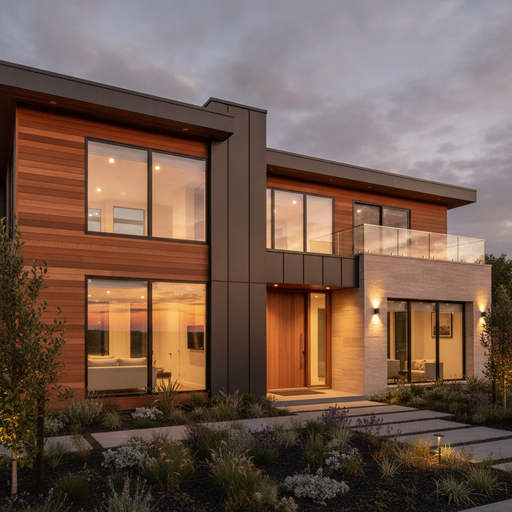
    Think about mixing textures. You might use smooth, dark grey metal panels on the upper floor to contrast with a warm, horizontal cedar siding on the ground floor. Or perhaps you pair white board-and-batten siding with black-framed windows and a stone entryway. By mixing materials, you define different sections of your home, creating visual interest and “breaking up” large walls that might otherwise look boring.

    Climate Considerations: Form Follows Function

    While aesthetics are vital, your choice of custom siding must also be practical for your environment. A material that thrives in the dry heat of Arizona might struggle in the humid, salty air of the Florida coast.

    • For Coastal Areas: Look for fiber cement or high-grade aluminum. These materials resist the corrosive effects of salt spray.
    • For Humid/Rainy Climates: Avoid natural wood unless you are prepared for heavy maintenance. Engineered wood or vinyl-alternatives are better at resisting rot.
    • For Extreme Cold: Ensure your siding choice allows for proper insulation and handles expansion and contraction without cracking.

    Conclusion: Investing in Your Home’s Identity

    Choosing your exterior siding is a journey of discovery. It’s about finding the balance between your personal style, your budget, and the practical needs of your climate. Whether you choose the timeless warmth of cedar, the industrial strength of metal, or the versatile reliability of fiber cement, remember that your siding is an investment in your home’s future value and your daily happiness.

    Don’t be afraid to think outside the box. Samples are your best friends—take them home, hold them up against your walls at different times of the day, and see how the light interacts with the textures. Your home is your canvas. With the right custom siding, you can turn a simple house into a masterpiece that you’ll be proud to come home to for years to come.
  • From Curb Appeal to Character: The Ultimate Guide to Custom Exterior Siding Materials

    From Curb Appeal to Character: The Ultimate Guide to Custom Exterior Siding Materials

    The Story of Your Home Begins at the Curb

    Imagine pulling into your driveway after a long day. Before you even turn off the engine, you catch a glimpse of your house. What does it say to you? Does it whisper tales of classic craftsmanship, or does it shout with the bold lines of modern iovation? Your home’s exterior siding is more than just a protective shell; it is the “skin” of your sanctuary, the first impression you give to the world, and the most significant factor in your home’s curb appeal.

    For years, homeowners felt limited to a handful of “standard” options—usually whatever was on sale at the local hardware store. But today, the world of custom exterior siding has exploded. We are living in a golden age of home design where materials, textures, and colors can be blended to create a look that is uniquely yours. Whether you are building your dream home from scratch or giving an old favorite a much-needed facelift, choosing the right siding is one of the most important decisions you will make. Let’s walk through the most compelling custom siding options available today and find the one that tells your story.

    The Versatile Hero: Fiber Cement Siding

    If there were a popularity contest for siding materials, fiber cement would likely take the crown. It is the ultimate “chameleon” of the industry. Made from a mixture of cement, sand, and cellulose fibers, this material can be molded to look like almost anything—from traditional wood clapboard to sleek, modern panels.

    Why do homeowners love it? Because it offers the beauty of wood without the heartbreak of rot or termites. It is incredibly durable, fire-resistant, and holds paint like a dream. Brands like James Hardie have pioneered this space, offering “ColorPlus” technology that ensures your home stays vibrant for decades. If you want a custom look that mimics a historic cedar cottage but requires the maintenance of a brick fortress, fiber cement is your best friend.

    Customizing with Fiber Cement

    • Texture: Choose between smooth finishes for a modern look or wood-grain textures for a rustic feel.
    • Style: Available in planks, shingles (shakes), or large architectural panels for a minimalist aesthetic.
    • Trim: Use contrasting trim colors to make your windows and corners pop.

    The Timeless Elegance of Natural Wood

    There is something about natural wood that touches the soul. It feels organic, warm, and grounded. For the homeowner who values authenticity above all else, custom wood siding is the gold standard. Whether it’s the rich reds of Western Red Cedar or the silver-grey weathering of Redwood, natural wood provides a character that synthetic materials struggle to perfectly replicate.

    Customizing wood siding is where the artistry really happens. You aren’t just picking a color; you’re picking a grade of wood, a grain pattern, and a profile. From classic tongue-and-groove to the rugged charm of “live edge” siding, wood allows your home to blend seamlessly into a natural landscape.

    However, beauty comes with a responsibility. Wood requires regular staining or sealing to prevent moisture damage. But for many, the effort is a small price to pay for a home that ages gracefully and develops a unique patina over time.

    Modern Sophistication: Metal Siding

    Gone are the days when metal siding was reserved for barns and warehouses. In the world of high-end custom homes, metal—specifically aluminum and steel—is making a massive comeback. It is the darling of architects who specialize in “Industrial Chic” or “Modern Farmhouse” designs.

    Metal siding is incredibly sleek. It offers clean, sharp lines that are impossible to achieve with thicker materials. It’s also one of the most sustainable options on the market, as it is often made from recycled content and is 100% recyclable at the end of its long life. If you live in an area prone to wildfires or extreme weather, metal is a powerhouse of protection.

    Metal Siding Variations

    • Corrugated Panels: Adds a rhythmic, textured look that plays with light and shadow.
    • Longboard Aluminum: Specialized planks that look exactly like wood but offer the lifetime durability of metal.
    • Standing Seam: Often used on roofs, but increasingly popular as a vertical wall cladding for a dramatic, soaring effect.

    The Rugged Luxury of Stone Veneer

    If you want your home to feel permanent, sturdy, and prestigious, stone is the answer. While a full-depth stone wall is often prohibitively expensive and heavy, custom stone veneer has changed the game. These are thin slices of real or manufactured stone that can be applied to the exterior of your home like a puzzle.

    The beauty of stone veneer is in its ability to act as an accent. Very few people clad their entire house in stone; instead, they use it to “anchor” the design. Imagine a home with dark charcoal fiber cement siding and a towering stone chimney, or a stone “skirt” that runs along the foundation. It adds a tactile, three-dimensional element that makes the architecture feel grounded to the earth.

    Engineered Wood: The Best of Both Worlds

    For those who love the look of wood but have a busy lifestyle that doesn’t allow for constant maintenance, engineered wood (such as LP SmartSide) is a revolutionary choice. It is made from wood strands treated with zinc borate and waxes, then bonded with industrial-grade resins. The result is a product that looks and cuts just like real wood but is significantly more resistant to moisture, fungal decay, and impacts.

    Because it is an engineered product, the planks come in longer lengths (up to 16 feet), which means fewer seams on your walls. Fewer seams mean a cleaner, more custom look that keeps the eyes focused on the design rather than the joints.

    The Art of the Mix: Creating a Custom Facade

    The most stuing modern homes don’t use just one material. They use a “palette” of materials. This is where you can truly let your personality shine. The secret to a high-end custom look is contrast.

    Think about mixing textures. You might use smooth, dark grey metal panels on the upper floor to contrast with a warm, horizontal cedar siding on the ground floor. Or perhaps you pair white board-and-batten siding with black-framed windows and a stone entryway. By mixing materials, you define different sections of your home, creating visual interest and “breaking up” large walls that might otherwise look boring.

    Climate Considerations: Form Follows Function

    While aesthetics are vital, your choice of custom siding must also be practical for your environment. A material that thrives in the dry heat of Arizona might struggle in the humid, salty air of the Florida coast.

    • For Coastal Areas: Look for fiber cement or high-grade aluminum. These materials resist the corrosive effects of salt spray.
    • For Humid/Rainy Climates: Avoid natural wood unless you are prepared for heavy maintenance. Engineered wood or vinyl-alternatives are better at resisting rot.
    • For Extreme Cold: Ensure your siding choice allows for proper insulation and handles expansion and contraction without cracking.

    Conclusion: Investing in Your Home’s Identity

    Choosing your exterior siding is a journey of discovery. It’s about finding the balance between your personal style, your budget, and the practical needs of your climate. Whether you choose the timeless warmth of cedar, the industrial strength of metal, or the versatile reliability of fiber cement, remember that your siding is an investment in your home’s future value and your daily happiness.

    Don’t be afraid to think outside the box. Samples are your best friends—take them home, hold them up against your walls at different times of the day, and see how the light interacts with the textures. Your home is your canvas. With the right custom siding, you can turn a simple house into a masterpiece that you’ll be proud to come home to for years to come.

  • Beyond the Facade: Transformative Custom Exterior Architectural Concepts for the Modern Home

    Beyond the Facade: Transformative Custom Exterior Architectural Concepts for the Modern Home

    The Art of the First Impression

    Imagine walking down a street where every house looks exactly the same. The same beige siding, the same rectangular windows, and the same predictable rooflines. It feels a bit like a movie set where the budget ran out before they could add character. Now, imagine turning a corner and seeing a home that stops you in your tracks. It doesn’t just sit on the lot; it belongs there. Its lines are bold, its materials are unexpected, and it seems to tell a story about the people who live inside. This is the power of custom exterior architectural concepts.

    Your home’s exterior is more than just a protective shell against the elements; it is the face you present to the world. It is the prologue to your life’s story. In recent years, we have seen a massive shift away from “cookie-cutter” developments toward bespoke designs that prioritize individuality, sustainability, and a deep coection to the surrounding environment. Whether you are building from scratch or plaing a major renovation, thinking outside the architectural box can turn a standard dwelling into a living piece of art.

    The Philosophy of Custom Design: Why Go Bespoke?

    When we talk about “custom,” we aren’t just talking about choosing a different paint color. We are talking about architectural soul. Custom exterior design allows you to solve specific problems while expressing your personal aesthetic. Perhaps you have a lot with a challenging slope, or maybe you want to capture a specific view of the sunset that a standard floor plan would ignore. Custom architecture treats these challenges as opportunities for iovation.

    The journey of creating a custom exterior begins with a simple question: How do you want to feel when you arrive home? Do you want to feel the grounded strength of raw concrete and steel? Or do you prefer the organic warmth of natural wood and stone? By moving away from mass-produced designs, you gain the freedom to experiment with volume, light, and texture in ways that reflect your unique lifestyle.

    Material Alchemy: Mixing the Old with the New

    One of the most exciting trends in custom exterior architecture is “material alchemy”—the practice of combining contrasting materials to create visual tension and harmony. Gone are the days when a house had to be all brick or all siding. Today’s most stuing homes play with the relationship between different surfaces.

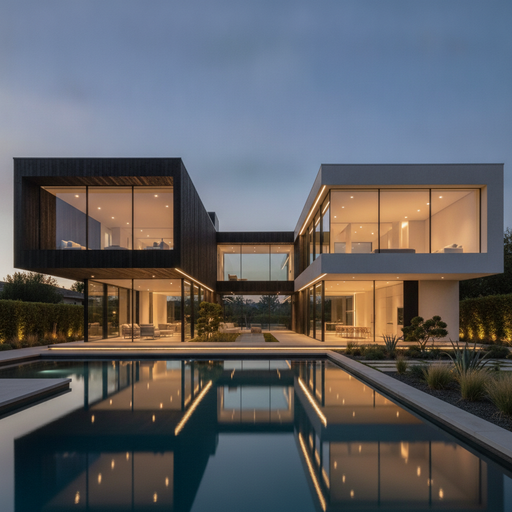
    • Charred Wood and Cold Steel: The Japanese technique of Shou Sugi Ban (charred cedar) provides a deep, silken black texture that looks incredible when paired with the sharp, industrial lines of Corten steel or matte black aluminum frames.
    • Raw Concrete and Natural Greenery: There is something deeply poetic about the brutalist aesthetic of poured concrete being softened by vertical gardens or cascading vines. It creates a “modern ruin” look that feels both ancient and futuristic.
    • Glass as a Borderless Canvas: Using oversized, floor-to-ceiling glass panels isn’t just about the view; it’s about making the exterior of the house feel weightless. When done correctly, glass can make a massive structure feel like it’s floating above the landscape.

    Sculptural Geometry: Moving Beyond the Box

    Most traditional homes are a series of stacked boxes. Custom architectural concepts challenge this by introducing sculptural geometry. Think of your home as a 3D sculpture that changes as you walk around it. This can be achieved through cantilevered sections that hang out over a patio, or asymmetrical rooflines that mimic the jagged peaks of a nearby mountain range.

    Cantilevers, in particular, have become a hallmark of modern custom design. By extending a portion of the upper floor out over the lower floor without visible support, architects create a sense of drama and provide built-in shading for the outdoor spaces below. This play with “voids and solids” ensures that the house looks different at every angle, offering a constant sense of discovery for the observer.

    The Biophilic Coection: Bringing the Outside In

    We are currently living through a biophilic revolution. People are realizing that we are happier and healthier when we are coected to nature. Custom exterior concepts are now leaning heavily into this philosophy. It’s no longer just about having a backyard; it’s about the house itself acting as a bridge to the environment.

    This can manifest in “living walls” integrated directly into the facade, or internal courtyards that are visible from the street through strategic cut-outs. Another popular concept is the use of “disappearing walls”—massive sliding glass doors that pocket into the structure, effectively erasing the line between the living room and the patio. In a custom home, the exterior design dictates how you interact with the air, the light, and the earth around you.

    Lighting as an Architectural Element

    A truly great custom exterior shouldn’t disappear when the sun goes down. In fact, for many homeowners, the “night mode” of their house is their favorite version. Professional architectural lighting is no longer an afterthought; it is baked into the design from day one.

    Instead of just sticking a few lanterns by the front door, custom concepts use integrated LED strips hidden in recesses to wash walls with soft light. Uplighting on textured stone can create dramatic shadows, while “moonlighting” from trees can create a natural, ethereal glow across the driveway. The goal is to highlight the home’s silhouette and textures, turning the building into a glowing beacon in the darkness.

    The Sustainability Factor: Beauty with a Purpose

    In the modern era, a custom exterior is only as good as its carbon footprint. Thankfully, high-end design and sustainability now go hand-in-hand. Custom concepts often include passive solar design, where the orientation of the house and the placement of windows are calculated to heat the home in the winter and cool it in the summer naturally.

    Reclaimed materials are also taking center stage. Using timber salvaged from old barns or stone from local quarries doesn’t just look beautiful—it gives the home an immediate sense of history and “place” that new materials can’t replicate. When you build custom, you have the choice to build a home that respects the planet as much as it respects your aesthetic vision.

    Conclusion: Your Home, Your Masterpiece

    Embarking on the journey of a custom exterior architectural project is a deeply personal endeavor. It requires a willingness to dream, a bit of bravery to step away from the status quo, and a partnership with designers who understand your vision. Whether you are drawn to the sleek lines of minimalism, the rugged texture of industrial design, or the soft embrace of biophilic architecture, your home is your ultimate canvas.

    Remember, the most successful custom homes aren’t necessarily the largest or the most expensive—they are the ones that feel authentic. By focusing on unique materials, thoughtful geometry, and a coection to the landscape, you can create a sanctuary that doesn’t just house your life but inspires it every single day. The world has enough boring houses; go ahead and build something extraordinary.