Tag: home buying tips

  • The Sunshine State Secret: Why Manufactured Home Ownership is the Ultimate Florida Dream

    The Sunshine State Secret: Why Manufactured Home Ownership is the Ultimate Florida Dream

    The Changing Face of the Florida Dream

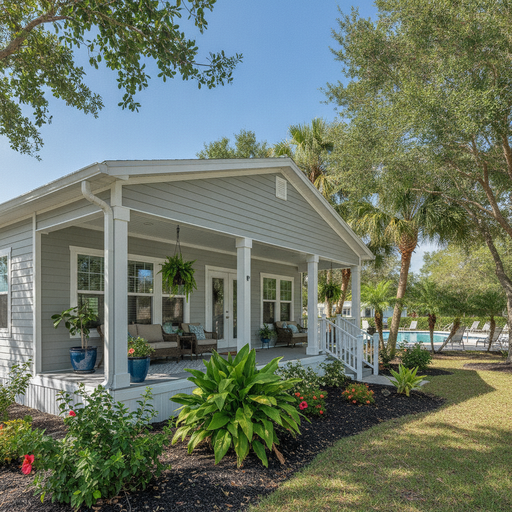
    Imagine waking up to the gentle rustle of palm fronds outside your window. The Florida sun is just begiing to peek over the horizon, casting a golden glow over a neighborhood that feels more like a resort than a residential street. You walk into your spacious, modern kitchen to brew a cup of coffee, looking out at a landscaped patio that didn’t cost you a multi-million dollar mortgage. This isn’t a fantasy for the ultra-wealthy; it is the daily reality for thousands of people who have discovered the benefits of manufactured home ownership in Florida.

    For decades, the “American Dream” in Florida was synonymous with sprawling concrete mansions or high-rise condos. But as the real estate market has shifted, savvy buyers—from young families to active retirees—are looking toward a more sustainable, affordable, and high-quality alternative. Manufactured homes have undergone a massive transformation, shedding old stereotypes to become one of the most intelligent investment choices in the Sunshine State. In this guide, we will explore why choosing a manufactured home might be the best decision you ever make for your lifestyle and your wallet.

    1. Unbeatable Affordability Without Sacrificing Quality

    The most immediate and striking benefit of manufactured home ownership in Florida is the price tag. In a state where traditional site-built home prices have skyrocketed, manufactured homes offer a breath of fresh air. On average, a manufactured home costs significantly less per square foot than a traditional home. But don’t let the lower price fool you into thinking the quality is lower.

    Because these homes are built in climate-controlled environments, there are no weather delays, no warped wood from Florida’s humidity during construction, and very little material waste. These savings are passed directly to you. This affordability opens doors—quite literally. It allows first-time buyers to enter the market years earlier than they expected and enables retirees to keep more of their hard-earned savings for travel, hobbies, and family visits.

    2. Built for the Florida Climate: Safety and Durability

    When people think about Florida, they think about sunshine, but they also think about hurricane season. One of the biggest misconceptions is that manufactured homes are less safe than traditional houses. In reality, modern manufactured homes are built to incredibly strict standards set by the U.S. Department of Housing and Urban Development (HUD).

    In Florida, manufactured homes are designed to meet “Wind Zone 2” or “Wind Zone 3” requirements, which means they are engineered to withstand the same high-velocity winds as site-built homes. From reinforced tie-down systems to impact-resistant windows, these homes are built with the unique Florida climate in mind. Choosing a modern manufactured home means choosing peace of mind, knowing your sanctuary is built to modern engineering specifications that prioritize your safety.

    3. The “Resort-Style” Community Lifestyle

    Ownership in Florida often goes beyond the four walls of your house; it’s about the community you join. Many manufactured homes are located in specialized land-lease or resident-owned communities that offer amenities that would rival a five-star hotel. When you buy a manufactured home in one of these communities, you aren’t just buying a house; you’re buying a lifestyle.

    • Social Hubs: Most communities feature clubhouses where neighbors gather for potlucks, holiday parties, and game nights.
    • Active Recreation: It’s common to find heated swimming pools, pickleball courts, shuffleboard, and fitness centers right in your backyard.
    • Maintenance-Free Living: Many communities handle lawn care and common area maintenance, giving you more time to enjoy the Florida sun.
    • Security: Gated entries and active neighborhood watches provide an extra layer of comfort and security.

    4. Customization and Modern Aesthetics

    If you haven’t stepped inside a new manufactured home recently, you are in for a surprise. The “cookie-cutter” days are long gone. Today’s manufactured homes offer floor plans that are indistinguishable from high-end custom homes. You can find layouts with open-concept living areas, vaulted ceilings, and spa-like master bathrooms.

    When you purchase a new manufactured home, you often have the opportunity to customize the finishes. Want granite countertops? Stainless steel appliances? Energy-efficient LED lighting? Luxury vinyl plank flooring? All of these are standard options. You have the creative freedom to design a home that reflects your personal style, all while staying within a budget that allows you to actually enjoy the life you’re building.

    5. Significant Tax Advantages

    Florida is already famous for being a tax-friendly state, with no state income tax. However, manufactured home ownership adds another layer of financial benefit. In many cases, if you lease the land your home sits on, you may pay a lower overall tax rate compared to traditional real estate property taxes. If you own the land and your home is permanently affixed, you can still take advantage of Florida’s famous Homestead Exemption, which can significantly reduce the assessed value of your home for tax purposes.

    This “hidden” benefit means more money stays in your pocket every single month. Whether you are living on a fixed pension or trying to grow your family’s savings, the lower tax burden of a manufactured home is a powerful financial tool.

    6. Speed of Ownership: Moving In Sooner

    The traditional home-buying or building process can be an agonizingly slow marathon. Between permits, weather delays, and contractor shortages, it can take a year or more to move into a new site-built home. Manufactured homes change the timeline entirely. Because the building process happens in a factory, your home can be constructed in a fraction of the time.

    Once the home is delivered to your site in Florida, the setup and “button-up” process happens quickly. This is a massive benefit for those who are relocating from out of state and need a reliable timeline. You can spend less time stressed about construction delays and more time plaing your first beach day.

    7. Eco-Friendly and Energy Efficient

    In today’s world, being environmentally conscious is more important than ever. Manufactured homes are leaders in green building. The factory-controlled environment allows for much more precise measurements, which means significantly less construction waste ends up in Florida’s landfills. Furthermore, because these homes are built to strict HUD standards, they often feature superior insulation and high-efficiency HVAC systems.

    In the Florida heat, energy efficiency isn’t just a “nice to have”—it’s a necessity. A well-insulated manufactured home keeps the cool air in and the humidity out, leading to lower monthly utility bills. You get to save the planet while saving your bank account at the same time.

    Conclusion: Your Florida Future Starts Here

    Choosing to buy a manufactured home in Florida isn’t just about finding a place to sleep; it’s about choosing a smarter way to live. It’s about recognizing that you don’t need to overextend yourself financially to enjoy everything the Sunshine State has to offer. From the safety of modern engineering to the joy of a vibrant community and the luxury of custom finishes, the benefits are undeniable.

    Whether you are looking to spend your golden years playing golf and enjoying the pool, or you’re a young professional looking for a stylish home that doesn’t break the bank, the Florida manufactured home market has something for you. The dream of homeownership is alive and well in Florida—it just looks a little more modern, a little more community-focused, and a lot more affordable than you might have imagined. Isn’t it time you took a closer look?
  • The Great California Housing Hunt: Why the Golden State Remains the Ultimate Real Estate Destination

    The Great California Housing Hunt: Why the Golden State Remains the Ultimate Real Estate Destination

    The Timeless Allure of the Golden State

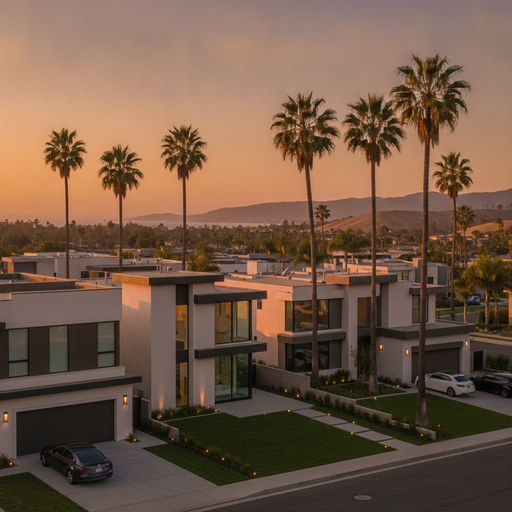
    Imagine standing on a sun-drenched cliff in Malibu, the salt air misting your face as the Pacific waves crash below. Or perhaps you’re walking through the tech-infused streets of Palo Alto, where the next world-changing iovation is being coded in a garage just blocks away. This is the California Dream—a blend of natural majesty, economic powerhouse status, and a lifestyle that millions across the globe still yearn for. Despite the headlines about “exoduses” and rising costs, the reality on the ground tells a much more complex and fascinating story: California’s residential housing demand remains one of the most resilient forces in the global real estate market.

    To understand why people are still clamoring for a piece of California, we have to look past the surface-level statistics. We have to look at the stories of families moving from the Midwest for the year-round sunshine, the young professionals chasing high-six-figure salaries in Silicon Valley, and the retirees who refuse to spend their golden years anywhere else but the Central Coast. The demand for housing in California isn’t just about four walls and a roof; it’s about access to an ecosystem that simply caot be replicated anywhere else in the world.

    The Economic Engine Driving the Demand

    At the heart of California’s housing hunger is its sheer economic might. If California were a country, it would boast the fifth-largest economy in the world, recently overtaking India and snapping at the heels of Germany. This isn’t just about movies and apps; it’s about agriculture, aerospace, biotechnology, and green energy. When an economy is this diverse and this powerful, it creates a massive, high-paying job market that acts as a magnet for talent.

    For every headline about a company moving its headquarters to Texas or Florida, there are dozens of startups being born in the Bay Area and Los Angeles. These companies need workers, and those workers need homes. This high-earning demographic creates a “floor” for the housing market. Even when interest rates fluctuate, the concentration of wealth in sectors like Big Tech and Entertainment ensures that there is always a pool of buyers ready to compete for limited inventory. This economic gravity is the primary reason why residential demand stays high even when affordability becomes a challenge.

    The Supply-Demand Paradox: A Story of Scarcity

    If you’ve ever tried to buy a home in California, you know it feels like a high-stakes game of musical chairs where there are 100 people and only 10 chairs. The fundamental issue facing the state is a chronic under-supply of housing. For decades, California has failed to build enough units to keep up with its population growth and the changing needs of its residents.

    Several factors contribute to this scarcity. First, there is the geography. Many of California’s most desirable areas are hemmed in by mountains on one side and the ocean on the other, leaving little room for sprawl. Second, there are the regulatory hurdles. From strict zoning laws to the California Environmental Quality Act (CEQA), the process of getting a new housing development approved can take years, if not decades. This “artificial” scarcity keeps prices high and ensures that whenever a quality home hits the market, the demand is instantaneous and often overwhelming.

    The Rise of the “Inland Empire” and Coastal Sprawl

    Interestingly, the demand hasn’t just stayed in the expensive coastal hubs. In recent years, we’ve seen a massive shift toward inland regions like Riverside and San Bernardino counties, collectively known as the Inland Empire. As prices in Los Angeles and Orange County soared, middle-class families began looking eastward for more space and “bang for their buck.”

    This shift has transformed formerly sleepy commuter towns into bustling suburban centers. The demand here is driven by a different narrative: the search for the suburban dream. Large backyards, modern school districts, and community parks are the draw. However, even these inland areas are now seeing a surge in prices as the demand ripples out from the coast, proving that the desire for California living is a statewide phenomenon, not just a coastal one.

    The Post-Pandemic Shift: Redefining the California Home

    The COVID-19 pandemic changed the way we think about our living spaces, and nowhere was this more evident than in California. Before 2020, a “good location” meant being within a 30-minute commute of the office. Today, for many, the office is the spare bedroom or a nook in the living room. This shift toward remote and hybrid work has reshaped housing demand in two significant ways.

    First, it fueled a demand for larger homes. People no longer wanted just a place to sleep; they wanted a home gym, a home office, and a backyard for outdoor dining. This “lifestyle-first” approach to real estate has kept the luxury market and the suburban market incredibly hot. Second, it allowed people to move to “lifestyle” destinations within the state that were previously too far for a daily commute. Areas like Lake Tahoe, the Coachella Valley, and the Central Coast saw a massive influx of buyers who brought their Bay Area and LA salaries with them, driving demand in regions that were once considered seasonal retreats.

    Legislative Hope: The Changing Face of Density

    State leaders have recognized that the demand for housing caot be met by single-family homes alone. In recent years, a wave of new legislation has been passed to address the supply side of the equation. Laws like SB 9 and SB 10 aim to end “exclusionary zoning” by making it easier to build duplexes and small multi-family units on lots that were previously reserved for single homes.

    Furthermore, the explosion of Accessory Dwelling Units (ADUs), often called “gray flats,” has provided a new way to meet housing demand. Homeowners are now turning their garages or backyards into rental units, providing much-needed “gentle density” in established neighborhoods. While these changes take time to manifest in the market, they represent a fundamental shift in how California plans to house its future residents. The demand is there; the state is finally trying to find modern ways to meet it.

    Why Investors Are Still Betting on California

    From a purely financial perspective, California residential real estate remains a crown jewel for investors. While other markets might offer higher immediate cash flow, California is the king of appreciation. Historically, property values in the state have outpaced much of the country over the long term. This makes California real estate a preferred “store of value” for domestic and international investors alike.

    Institutional investors and mom-and-pop landlords see the high demand and low supply as a guarantee of future value. They understand that as long as the weather is beautiful, the jobs are high-paying, and the lifestyle is aspirational, people will pay a premium to live here. This investment demand competes with individual buyers, further tightening the market and ensuring that the competition for homes remains fierce.

    Conclusion: The Resilience of the California Dream

    As we look toward the future, it’s clear that California’s residential housing demand isn’t going anywhere. The state is currently in a period of transition, navigating the complexities of affordability, remote work, and legislative reform. However, the underlying fundamentals—the climate, the economy, and the culture—remain as strong as ever.

    The “Golden State” still holds its luster. For the young tech worker, the growing family, and the savvy investor, California represents more than just a real estate market; it represents a land of opportunity and a lifestyle that defines the modern American experience. While the hunt for a home in California might be challenging, the rewards of living in one of the most vibrant places on Earth continue to far outweigh the hurdles for millions of people. The demand is a testament to the state’s enduring appeal: everyone, it seems, still wants their own piece of the California sun.

  • The Great California Housing Hunt: Why the Golden State Remains the Ultimate Real Estate Destination

    The Great California Housing Hunt: Why the Golden State Remains the Ultimate Real Estate Destination

    The Timeless Allure of the Golden State

    Imagine standing on a sun-drenched cliff in Malibu, the salt air misting your face as the Pacific waves crash below. Or perhaps you’re walking through the tech-infused streets of Palo Alto, where the next world-changing iovation is being coded in a garage just blocks away. This is the California Dream—a blend of natural majesty, economic powerhouse status, and a lifestyle that millions across the globe still yearn for. Despite the headlines about “exoduses” and rising costs, the reality on the ground tells a much more complex and fascinating story: California’s residential housing demand remains one of the most resilient forces in the global real estate market.

    To understand why people are still clamoring for a piece of California, we have to look past the surface-level statistics. We have to look at the stories of families moving from the Midwest for the year-round sunshine, the young professionals chasing high-six-figure salaries in Silicon Valley, and the retirees who refuse to spend their golden years anywhere else but the Central Coast. The demand for housing in California isn’t just about four walls and a roof; it’s about access to an ecosystem that simply caot be replicated anywhere else in the world.

    The Economic Engine Driving the Demand

    At the heart of California’s housing hunger is its sheer economic might. If California were a country, it would boast the fifth-largest economy in the world, recently overtaking India and snapping at the heels of Germany. This isn’t just about movies and apps; it’s about agriculture, aerospace, biotechnology, and green energy. When an economy is this diverse and this powerful, it creates a massive, high-paying job market that acts as a magnet for talent.

    For every headline about a company moving its headquarters to Texas or Florida, there are dozens of startups being born in the Bay Area and Los Angeles. These companies need workers, and those workers need homes. This high-earning demographic creates a “floor” for the housing market. Even when interest rates fluctuate, the concentration of wealth in sectors like Big Tech and Entertainment ensures that there is always a pool of buyers ready to compete for limited inventory. This economic gravity is the primary reason why residential demand stays high even when affordability becomes a challenge.

    The Supply-Demand Paradox: A Story of Scarcity

    If you’ve ever tried to buy a home in California, you know it feels like a high-stakes game of musical chairs where there are 100 people and only 10 chairs. The fundamental issue facing the state is a chronic under-supply of housing. For decades, California has failed to build enough units to keep up with its population growth and the changing needs of its residents.

    Several factors contribute to this scarcity. First, there is the geography. Many of California’s most desirable areas are hemmed in by mountains on one side and the ocean on the other, leaving little room for sprawl. Second, there are the regulatory hurdles. From strict zoning laws to the California Environmental Quality Act (CEQA), the process of getting a new housing development approved can take years, if not decades. This “artificial” scarcity keeps prices high and ensures that whenever a quality home hits the market, the demand is instantaneous and often overwhelming.

    The Rise of the “Inland Empire” and Coastal Sprawl

    Interestingly, the demand hasn’t just stayed in the expensive coastal hubs. In recent years, we’ve seen a massive shift toward inland regions like Riverside and San Bernardino counties, collectively known as the Inland Empire. As prices in Los Angeles and Orange County soared, middle-class families began looking eastward for more space and “bang for their buck.”

    This shift has transformed formerly sleepy commuter towns into bustling suburban centers. The demand here is driven by a different narrative: the search for the suburban dream. Large backyards, modern school districts, and community parks are the draw. However, even these inland areas are now seeing a surge in prices as the demand ripples out from the coast, proving that the desire for California living is a statewide phenomenon, not just a coastal one.

    The Post-Pandemic Shift: Redefining the California Home

    The COVID-19 pandemic changed the way we think about our living spaces, and nowhere was this more evident than in California. Before 2020, a “good location” meant being within a 30-minute commute of the office. Today, for many, the office is the spare bedroom or a nook in the living room. This shift toward remote and hybrid work has reshaped housing demand in two significant ways.

    First, it fueled a demand for larger homes. People no longer wanted just a place to sleep; they wanted a home gym, a home office, and a backyard for outdoor dining. This “lifestyle-first” approach to real estate has kept the luxury market and the suburban market incredibly hot. Second, it allowed people to move to “lifestyle” destinations within the state that were previously too far for a daily commute. Areas like Lake Tahoe, the Coachella Valley, and the Central Coast saw a massive influx of buyers who brought their Bay Area and LA salaries with them, driving demand in regions that were once considered seasonal retreats.

    Legislative Hope: The Changing Face of Density

    State leaders have recognized that the demand for housing caot be met by single-family homes alone. In recent years, a wave of new legislation has been passed to address the supply side of the equation. Laws like SB 9 and SB 10 aim to end “exclusionary zoning” by making it easier to build duplexes and small multi-family units on lots that were previously reserved for single homes.

    Furthermore, the explosion of Accessory Dwelling Units (ADUs), often called “gray flats,” has provided a new way to meet housing demand. Homeowners are now turning their garages or backyards into rental units, providing much-needed “gentle density” in established neighborhoods. While these changes take time to manifest in the market, they represent a fundamental shift in how California plans to house its future residents. The demand is there; the state is finally trying to find modern ways to meet it.

    Why Investors Are Still Betting on California

    From a purely financial perspective, California residential real estate remains a crown jewel for investors. While other markets might offer higher immediate cash flow, California is the king of appreciation. Historically, property values in the state have outpaced much of the country over the long term. This makes California real estate a preferred “store of value” for domestic and international investors alike.

    Institutional investors and mom-and-pop landlords see the high demand and low supply as a guarantee of future value. They understand that as long as the weather is beautiful, the jobs are high-paying, and the lifestyle is aspirational, people will pay a premium to live here. This investment demand competes with individual buyers, further tightening the market and ensuring that the competition for homes remains fierce.

    Conclusion: The Resilience of the California Dream

    As we look toward the future, it’s clear that California’s residential housing demand isn’t going anywhere. The state is currently in a period of transition, navigating the complexities of affordability, remote work, and legislative reform. However, the underlying fundamentals—the climate, the economy, and the culture—remain as strong as ever.

    The “Golden State” still holds its luster. For the young tech worker, the growing family, and the savvy investor, California represents more than just a real estate market; it represents a land of opportunity and a lifestyle that defines the modern American experience. While the hunt for a home in California might be challenging, the rewards of living in one of the most vibrant places on Earth continue to far outweigh the hurdles for millions of people. The demand is a testament to the state’s enduring appeal: everyone, it seems, still wants their own piece of the California sun.

  • Sun, Surf, and Keys: The Ultimate Guide to Navigating the California Coastal Real Estate Market

    Sun, Surf, and Keys: The Ultimate Guide to Navigating the California Coastal Real Estate Market

    The Dream of the Pacific Shoreline

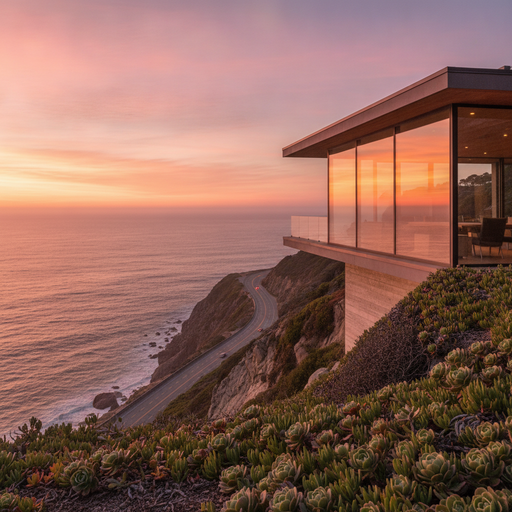
    Imagine waking up to the rhythmic sound of waves crashing against the shore, the smell of salt air wafting through your window, and the sight of a golden sun dipping below the horizon every single evening. For many, owning a piece of the California coast isn’t just a real estate transaction—it is the culmination of a lifelong dream. Whether it is the rugged, misty cliffs of Northern California or the sun-drenched boardwalks of San Diego, the “Golden State” offers a lifestyle that is hard to replicate anywhere else in the world.

    However, as someone who has walked through dozens of coastal properties and seen the sparkle in buyers’ eyes, I can tell you that buying a home on the coast is vastly different from buying a suburban tract home inland. It requires a blend of romantic vision and cold, hard pragmatism. The ocean is a beautiful neighbor, but she is also a powerful force of nature. In this guide, I want to take you through the journey of finding your perfect coastal sanctuary while avoiding the common pitfalls that can turn a dream home into a logistical headache.

    Choose Your Coastal Flavor: North, Central, or South?

    The first thing you need to realize is that California’s 840 miles of coastline are not a monolith. Each region offers a distinct lifestyle, climate, and price point. Your first step is deciding which “vibe” suits your daily life.

    Southern California: The Classic Postcard

    If you picture palm trees, surf culture, and year-round sunshine, Southern California (SoCal) is your destination. From the luxury estates of Malibu to the laid-back beach cottages of San Clemente, this region is all about the outdoor lifestyle. However, be prepared for higher density and a competitive market. Here, you aren’t just paying for the house; you’re paying for the proximity to world-class dining, entertainment, and that iconic “Endless Summer” atmosphere.

    Central California: The Hidden Gems

    Moving up to places like San Luis Obispo or Monterey, the pace slows down. The Central Coast offers a more rustic, agricultural charm mixed with stuing ocean views. You might find larger lots and a slightly more “neighborhood” feel compared to the frantic pace of Los Angeles or Orange County. It is the perfect middle ground for those who want coastal beauty without the heavy traffic.

    Northern California: Rugged Majesty

    North of San Francisco, the coast becomes dramatic and moody. Think towering redwoods meeting the sea, rocky outcrops, and refreshing (if chilly) temperatures. Life here is about quiet contemplation and nature. The homes often feature mid-century modern designs or cozy cabins built to withstand the wind and fog. It’s less about bikinis and more about Patagonia jackets.

    The Salt Air Tax: Understanding Maintenance

    One of the stories I always tell prospective buyers is about “The Salt Air Tax.” When you live within a mile of the ocean, the environment is much harsher on a building than it is inland. Saltwater is corrosive. It eats away at metal railings, peels paint, and can even affect the lifespan of your appliances if they aren’t properly shielded.

    • Windows and Hardware: You will likely want fiberglass or vinyl window frames rather than metal. Stainless steel hardware is a must, and even then, it requires regular cleaning to prevent pitting.
    • Exterior Finishes: Stucco and wood siding are popular, but they require frequent inspections. Be prepared to wash your house—literally—every few months to remove salt buildup.
    • HVAC Systems: Condenser units near the beach tend to have a shorter lifespan. Look for units specifically treated for coastal environments.

    The Environmental Reality: Erosion and Rising Tides

    In a storytelling sense, the ocean is the protagonist of your new life, but she can also be the antagonist. Coastal erosion is a serious topic in California. Before you fall in love with a bluff-top property, you must do your due diligence regarding the land’s stability.

    I always recommend hiring a geotechnical engineer during your contingency period. They will look at the bluff’s retreat rate—essentially how much land is disappearing into the sea each year. This isn’t just about safety; it’s about insurability. Many traditional insurance companies have pulled back from coastal zones, so you may need to look into specialized policies or the California FAIR Plan. Understanding your flood zone and the elevation of the property is non-negotiable.

    Navigating the California Coastal Commission

    If you plan on remodeling your new coastal home, you need to become familiar with the California Coastal Commission. Established in 1972, this agency oversight ensures that the coast remains accessible to the public and that development doesn’t harm the environment.

    Getting a permit for a simple deck or an extension can be significantly more complex and time-consuming within the “Coastal Zone” than it is elsewhere. They have strict rules about blocking ocean views for the public and maintaining public access paths. A good local architect who has experience dealing with the Commission is worth their weight in gold.

    The Lifestyle Check: Can You Handle the Tourists?

    Living at the beach is a dream, but remember that everyone else wants to be there too, especially on holiday weekends. When you are scouting locations, visit the neighborhood on a Saturday afternoon in July, not just a Tuesday morning iovember.

    Does your street turn into a parking lot for beachgoers? Is there a public trail right next to your bedroom window? Some people love the energy of a bustling beach town, while others prefer the seclusion of a gated community or a less-accessible cove. Make sure the reality of the daily traffic matches your expectations for peace and quiet.

    Financing the Dream: Jumbo Loans and Appraisals

    Because California coastal real estate often carries a premium price tag, you will likely be entering the realm of “Jumbo Loans.” These loans have stricter credit requirements and often require larger down payments than standard conventional loans. Furthermore, appraisals can be tricky. In a coastal neighborhood, a house one block away might be worth $500,000 more just because it has a “peek-a-boo” view of the water. Working with a lender who understands the nuances of coastal valuations is essential to ensure your loan doesn’t fall through at the last minute.

    Conclusion: Is It Worth It?

    After reading about corrosive salt, complex permits, and erosion, you might be wondering if it’s all worth the trouble. The answer, for almost everyone who makes the leap, is a resounding yes. There is a psychological peace that comes with living by the water. The air is cleaner, the views are soul-stirring, and the investment value of California coastal land has historically remained incredibly resilient.

    Buying a coastal home is about more than just square footage and bedroom counts; it’s about choosing a backdrop for your life’s best memories. By doing your homework, hiring the right experts, and respecting the power of the Pacific, you can find a sanctuary that will bring you joy for decades to come. Welcome to the coast—the water is fine!