Tag: Investment Property

  • The Golden Horizon: A Deep Dive into California’s Elite Luxury Beach Home Market

    The Golden Horizon: A Deep Dive into California’s Elite Luxury Beach Home Market

    The Timeless Allure of the Pacific Edge

    Imagine waking up to the rhythmic cadence of the Pacific Ocean, where the morning mist gently clears to reveal a coastline that has inspired poets, tech titans, and Hollywood legends alike. In California, a beach home is more than just a piece of real estate; it is a declaration of a lifestyle achieved. For decades, the luxury beach home market in the Golden State has stood as a beacon of exclusivity and a resilient fortress of wealth. Whether it is the rugged cliffs of Big Sur or the manicured sands of Laguna Beach, the demand for a slice of this coastline remains one of the most powerful drivers in the global property market.

    To understand the current state of California’s luxury beachfront market, one must look beyond the price tags and into the stories of those who seek refuge here. We are seeing a profound shift in what “luxury” means. It is no longer just about square footage or gold-plated fixtures; today’s elite buyers are chasing privacy, architectural significance, and a seamless coection with the natural environment. As we navigate through the complexities of the current economic landscape, the California coast continues to prove that while trends may flicker, the value of the horizon is eternal.

    Market Dynamics: Why the Coast Stays Hot

    In recent years, the broader real estate market has faced headwinds from fluctuating interest rates and economic uncertainty. However, the ultra-luxury segment—specifically homes priced above the $10 million mark—often operates in a different atmosphere. In California’s most coveted zip codes, cash remains king. Many high-net-worth individuals are moving capital into “passion assets,” and a beachfront villa in Malibu or an estate in Montecito fits that description perfectly.

    Inventory remains the primary challenge and the ultimate price stabilizer. The California Coastal Commission maintains strict regulations oew developments, meaning that the supply of oceanfront homes is essentially capped. When supply is finite and global demand is infinite, prices have only one direction to go. This scarcity has turned California beach homes into a “blue-chip” asset class, often compared to collecting rare art or vintage Ferraris.

    The Iconic Enclaves: Where the Magic Happens

    California’s coastline is vast, but several key pockets define the luxury market. Each offers a distinct flavor of the California dream:

    Malibu: The Billionaire’s Beach

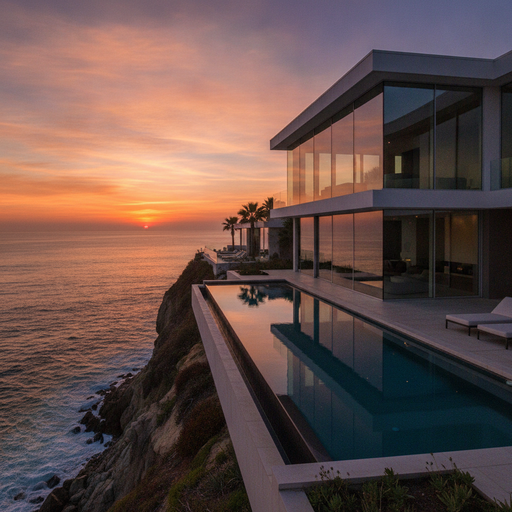
    Malibu remains the undisputed heavyweight champion of luxury coastal living. From the legendary Carbon Beach—aptly nicknamed “Billionaire’s Beach”—to the secluded coves of Point Dume, Malibu offers a blend of bohemian spirit and unparalleled opulence. Buyers here are looking for the “glass house” experience, where massive floor-to-ceiling windows disappear into the floor, erasing the line between the living room and the sand.

    Laguna Beach and Newport: The Orange County Gold Standard

    Further south, Orange County offers a more structured sense of luxury. Communities like Crystal Cove and Emerald Bay provide gated security, pristine private beaches, and Mediterranean-inspired architecture that feels like the Italian Riviera transported to the West Coast. The market here is characterized by generational wealth, where estates are often passed down rather than sold, further tightening the available inventory.

    Montecito: The Understated American Riviera

    For those who find Malibu too flashy, Montecito offers a sophisticated alternative. Known for its lush landscapes and “quiet luxury,” this area has recently seen a surge in popularity among high-profile individuals seeking a slower pace of life. The homes here often lean toward Spanish Colonial Revival or contemporary farmhouses, tucked away behind massive hedges and stone walls, offering a sanctuary of silence just a few steps from the shore.

    Architectural Trends: Designing for the Elements

    The aesthetic of California luxury has evolved. The heavy, ornate mansions of the early 2000s are making way for “Organic Modernism.” Architects are now prioritizing materials that can withstand the salt air while looking effortlessly chic—think reclaimed wood, weathered zinc, and specialized concrete.

    • Indoor-Outdoor Synergy: Large-scale pocket doors that turn entire walls into open air are now a standard requirement for any luxury listing.
    • Wellness-Centric Design: Homes are being built with dedicated cold-plunge pools, infrared saunas, and meditation decks overlooking the water.
    • Sustainable Tech: Solar glass and advanced water filtration systems are becoming essential as elite buyers become more environmentally conscious.

    The Investment Perspective: Is the Shore a Safe Bet?

    While the emotional draw of the ocean is undeniable, the rational investor looks at the numbers. Historically, California coastal real estate has outperformed many other luxury markets. Even during downturns, the “front row” properties tend to hold their value remarkably well. Because these homes are in such short supply, they are often insulated from the volatility seen in suburban or inland markets.

    However, modern buyers are also becoming more pragmatic about the challenges of coastal living. Issues like coastal erosion and rising insurance premiums are now part of the due diligence process. Buyers are increasingly looking for homes that have been “future-proofed” with advanced sea walls or elevated foundations. This has created a two-tier market: homes that are modern and resilient command massive premiums, while older structures may require significant investment to reach today’s standards.

    The Lifestyle: More Than Just a View

    To truly understand this market, you have to imagine the Tuesday afternoon on the coast. It’s about the ability to walk onto the sand for a sunrise surf before a board meeting, or hosting a sunset dier where the only soundtrack is the crashing waves. It’s a culture of wellness and high-performance living. In the world of high-end real estate, we often say you aren’t just buying the house; you are buying the three miles of coastline around it.

    The “work from anywhere” revolution has further solidified the California beach home as a primary residence. What used to be a weekend getaway for a San Francisco tech executive or a Los Angeles producer has now become their full-time headquarters. This shift has led to a demand for larger home offices, high-speed coectivity in every corner of the property, and guest houses that can double as private studios.

    Conclusion: The Future of the Golden Coast

    As we look toward the future, the California luxury beach home market shows no signs of cooling down. While the prices may seem stratospheric to the average observer, for the global elite, these homes represent the ultimate combination of security, status, and serenity. The “California Dream” is alive and well, it has simply become more refined and more exclusive.

    Whether you are a buyer looking for a legacy estate or an observer of market trends, one thing is clear: the lure of the Pacific is a constant. As long as the sun sets over the ocean, there will be someone willing to pay a premium to watch it from their own balcony. In the world of real estate, there is nothing quite like the Golden State’s shore—a place where the land ends, and a life of limitless luxury begins.
  • Riding the Wave: Why Florida Coastal Housing Demand Shows No Sign of Slowing Down

    Riding the Wave: Why Florida Coastal Housing Demand Shows No Sign of Slowing Down

    The Allure of the Sun-Drenched Horizon

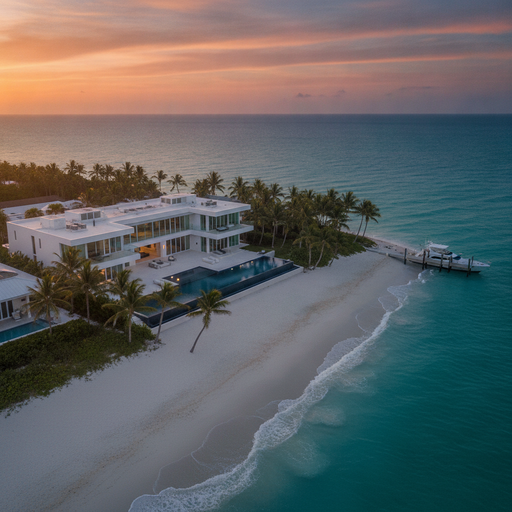
    Imagine waking up to the rhythmic sound of waves gently crashing against the shore, a warm salty breeze drifting through your window, and the promise of three hundred days of sunshine a year. For decades, this dream has acted as a powerful magnet, drawing thousands of people to the Florida coastline. But in recent years, what used to be a steady stream of retirees has turned into a massive tidal wave of migration. The demand for Florida coastal housing has reached unprecedented heights, transforming the state’s real estate landscape into one of the most dynamic—and complex—markets in the United States.

    Walking through the streets of coastal towns like Naples, Sarasota, or West Palm Beach today, you can feel the energy. New developments are rising, historic bungalows are being meticulously renovated, and “Sold” signs seem to appear almost as soon as a property hits the market. But what exactly is driving this insatiable hunger for a piece of the Sunshine State? To understand the current demand, we have to look beyond just the beautiful beaches and dive into the cultural, economic, and social shifts that have redefined where and how Americans want to live.

    The Great Migration: More Than Just Retirees

    For a long time, the narrative of Florida real estate was simple: people worked their entire lives in the North, retired, and moved to Florida to play golf. While that demographic remains a cornerstone of the market, the profile of the average buyer has shifted dramatically. The catalyst, as with many things in the modern era, was the global shift toward remote work. Suddenly, the “where” of a job became less important than the “where” of one’s life.

    Professionals in their 30s and 40s realized they no longer needed to endure grueling commutes iew York, Chicago, or San Francisco. If they could participate in a Zoom meeting from a home office overlooking the Gulf of Mexico, why wouldn’t they? This influx of younger, high-earning professionals has created a competitive environment for coastal properties that offer both luxury and coectivity. They aren’t just looking for a place to retire; they are looking for a place to raise families, build businesses, and enjoy an active lifestyle year-round.

    The Financial Incentive: A Tax Haven by the Sea

    While the lifestyle is a major draw, we caot overlook the cold, hard numbers. Florida remains one of the few states in the U.S. without a state income tax. For high-net-worth individuals and business owners moving from high-tax states like California or New Jersey, the savings are astronomical. In many cases, the money saved on state taxes alone is enough to cover a significant portion of a monthly mortgage on a premium coastal property.

    This financial “carrot” has spurred a corporate migration as well. As major financial firms and tech companies open offices in Miami and Tampa—often dubbed “Wall Street South” and “Silicon Bay”—they bring with them thousands of employees who need housing. This corporate backing provides a level of stability to the housing demand that wasn’t as prevalent in previous decades. It’s not just a speculative bubble; it’s an economic relocation.

    The Inventory Challenge: A Finite Supply of Paradise

    Basic economics tells us that when demand is high and supply is low, prices rise. In the context of Florida’s coast, supply is naturally limited by geography. There is only so much beachfront and “near-beach” land available. This scarcity has led to a fierce competition for available lots and existing homes.

    In many coastal communities, we are seeing a trend of “teardowns.” Buyers are purchasing older, smaller homes from the 1960s or 70s at premium prices, only to demolish them and build modern, storm-resistant luxury estates. This evolution of the housing stock is increasing property values across the board, but it also means that the entry point for living near the water is moving higher and higher. For the aspiring homeowner, the market requires quick decision-making and a solid financial strategy.

    Navigating the Storm: Resilience and Insurance

    It would be remiss to discuss Florida coastal housing without addressing the elephant in the room: the environment. Florida is on the front lines of climate change, facing threats from hurricanes and rising sea levels. However, rather than dampening demand, these challenges have sparked a revolution in building science and community plaing.

    Modern coastal homes in Florida are now built to some of the strictest building codes in the world. From impact-resistant windows that can withstand hurricane-force winds to elevated foundations and advanced drainage systems, the “new” Florida home is a fortress of engineering. Buyers are increasingly prioritizing these resilient features, viewing them not just as safety measures, but as essential protections for their investment.

    The insurance market, while currently facing its own set of challenges with rising premiums, is also a focal point of discussion. Despite the costs, the demand remains robust because, for many, the “lifestyle tax” of higher insurance is a price worth paying for the unparalleled quality of life that coastal Florida offers. People are choosing to adapt rather than retreat.

    The Micro-Markets: From Miami Glamour to Panhandle Peace

    The demand isn’t uniform across the state; Florida offers a diverse menu of coastal experiences.

    • Southeast Florida (Miami, Fort Lauderdale, Palm Beach): This region remains the piacle of luxury and international appeal. It’s high-energy, cosmopolitan, and features some of the most expensive real estate in the world.
    • The Gulf Coast (Naples, Sarasota, Tampa): Known for its calmer waters and spectacular sunsets, this area has seen an explosion in demand from families and those seeking a slightly more relaxed, yet sophisticated, lifestyle.
    • The Emerald Coast (Destin, 30A, Panama City Beach): The Florida Panhandle has transformed from a regional vacation spot into a national destination. The “30A” corridor, in particular, is seeing unprecedented demand for its New Urbanism design and white-sand beaches.
    • The Space Coast and First Coast (Melbourne, St. Augustine, Jacksonville): These areas offer a blend of history, aerospace iovation, and relatively more affordable coastal options compared to the southern hubs.

    Investment Potential: Short-Term Gains vs. Long-Term Wealth

    For investors, Florida’s coastal market offers a dual-threat advantage. On one hand, the short-term rental market (driven by platforms like Airbnb and VRBO) is incredibly lucrative. Florida remains one of the most visited places on Earth, and coastal vacation rentals often boast high occupancy rates and premium nightly prices.

    On the other hand, the long-term appreciation of coastal land in Florida has historically outpaced many other regions. As the state’s population continues to grow—adding roughly 1,000 people per day—the long-term value of limited coastal assets is widely viewed as a “safe bet” for wealth preservation. Investors are no longer just looking for a quick flip; they are looking to hold property in a state that is actively positioning itself as a future-forward economic powerhouse.

    Conclusion: The Future of the Florida Coast

    As we look toward the future, the demand for Florida coastal housing appears to be more than just a passing trend. It is the result of a fundamental shift in how people prioritize their environment, their finances, and their time. While challenges like insurance and inventory will continue to test the market’s resilience, the underlying draw of the Florida lifestyle remains a constant.

    Whether it’s the lure of the turquoise water, the freedom of a tax-friendly environment, or the security of a modern, storm-ready home, Florida’s coast continues to offer something that few other places can match. For those ready to ride the wave, the Sunshine State isn’t just a place to live—it’s a place to thrive. The horizon is bright, and for the Florida coastal real estate market, the tide is still very much coming in.