Tag: luxury real estate

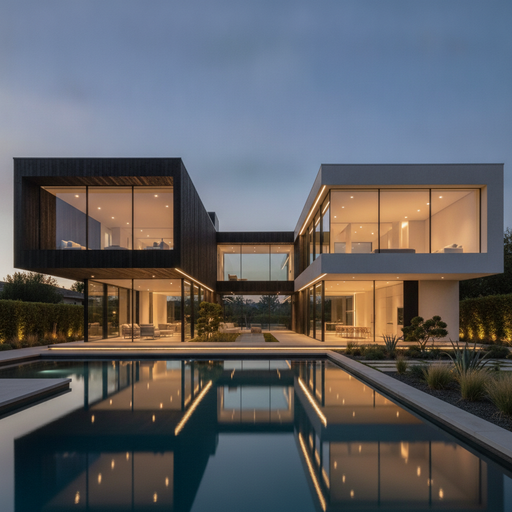
  • The Evolution of Golden State Living: A Deep Dive into Contemporary California Housing Styles

    The Evolution of Golden State Living: A Deep Dive into Contemporary California Housing Styles

    The California Dream: More Than Just a Location

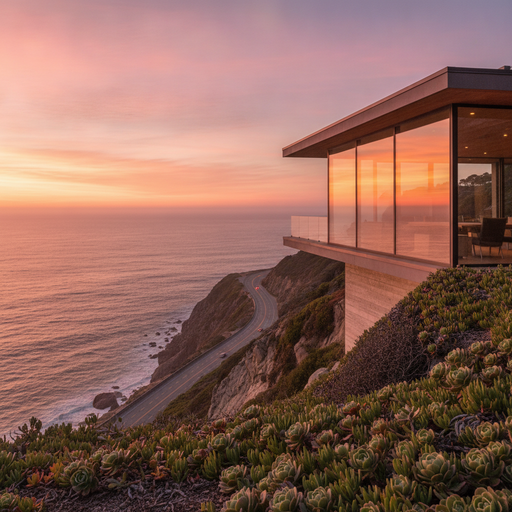
    Imagine driving down the Pacific Coast Highway as the sun begins its slow descent toward the horizon, painting the sky in hues of burnt orange and soft lavender. To your right, the ocean roars; to your left, the hillside is dotted with architectural marvels that seem to grow out of the cliffs themselves. This is California, a place where the home has never been just a shelter. In the Golden State, a house is a statement, a sanctuary, and a seamless extension of the landscape.

    For decades, California has been the laboratory of American architecture. From the Spanish missions of the 1700s to the post-war suburban boom, the state has constantly redefined how we live. Today, we are witnessing a new era: Contemporary California Housing. This style isn’t just about “modern” looks; it’s about a lifestyle that prioritizes wellness, sustainability, and a blurring of the lines between the indoors and the outdoors. Let’s take a journey through the styles that are currently shaping the California skyline.

    The New Modern Farmhouse: Rustic Meets Refined

    If you’ve spent any time ieighborhoods like Hidden Hills or the rolling hills of Napa Valley lately, you’ve seen it: the Modern Farmhouse. While this trend took the entire country by storm, California gave it a specific, sophisticated twist. Unlike the traditional country versions, the California Modern Farmhouse is characterized by sharp contrasts and expansive glass.

    Typically featuring crisp white board-and-batten siding paired with black steel window frames, these homes offer a “gentle modernism.” They provide the warmth of a family home with the clean lines of a gallery. Inside, you’ll find reclaimed wood beams stretching across vaulted ceilings, but the floors are often polished concrete or light European oak. It’s a style that feels grounded in history but looks firmly toward the future. It’s the perfect backdrop for a life that involves both organic gardening and high-tech remote work.

    The Mid-Century Modern Revival: Palm Springs Redux

    You can’t talk about California housing without paying homage to the Mid-Century Modern (MCM) movement. In the 1950s and 60s, architects like Joseph Eichler and Richard Neutra pioneered homes that featured flat roofs, open floor plans, and floor-to-ceiling glass. Fast forward to today, and we are seeing a massive “2.0” revival of this style.

    Contemporary MCM homes in California take the original principles—integration with nature and geometric simplicity—and upgrade them with 21st-century technology. We’re seeing more “post-and-beam” construction that allows for entire walls to disappear. In Palm Springs and Silver Lake, these homes are being built with high-performance glazing to handle the heat, and solar arrays hidden behind those iconic flat rooflines. It’s a nostalgic nod to a time when the future felt limitless, updated for a generation that values conservation as much as aesthetics.

    Coastal Contemporary: Light, Air, and Salt

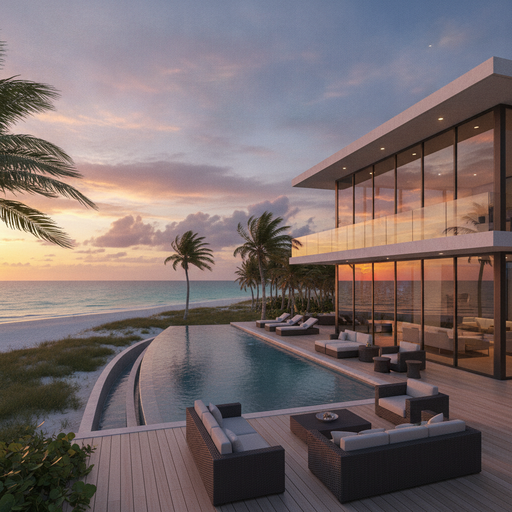
    Along the beaches of Malibu, Laguna, and Santa Barbara, the “Coastal Contemporary” style reigns supreme. This isn’t your grandmother’s beach cottage with anchors and navy stripes. Instead, this style is defined by a palette of neutrals—sands, driftwood greys, and misty whites—that mimic the environment outside the window.

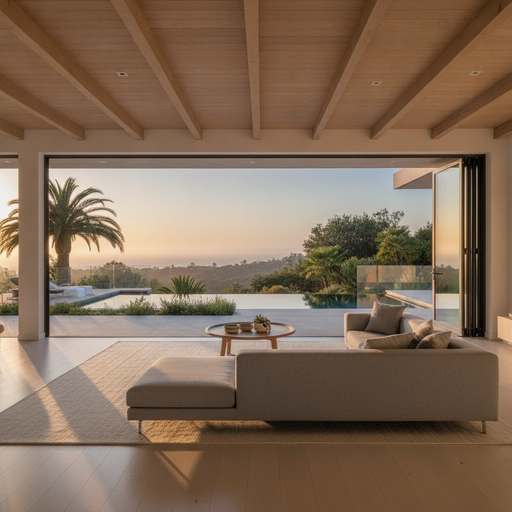
    The key feature here is the “pocket door” system. These are massive glass panels that slide completely into the walls, turning the entire living room into a covered patio. The flooring often transitions seamlessly from the indoor hardwood to the outdoor deck, making the Pacific Ocean feel like it’s part of your furniture arrangement. Materials are chosen for their ability to withstand salt air: copper accents that patina over time, cedar siding, and limestone flooring that stays cool under the summer sun.

    Desert Modernism: Responding to the Elements

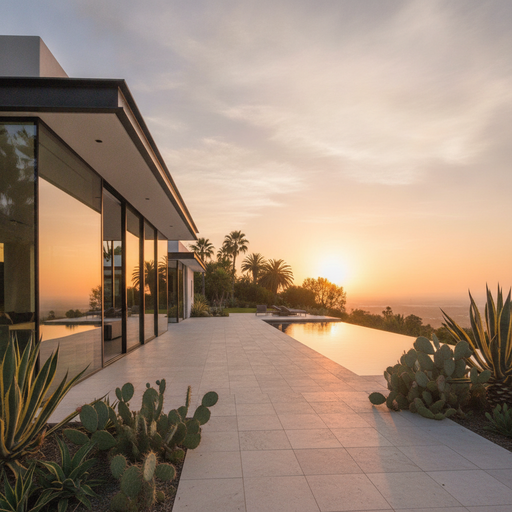
    As we move inland to the high deserts of Joshua Tree and the Coachella Valley, the architecture changes to meet a harsher, more dramatic climate. Desert Modernism is all about “thermal mass” and blending into the earth. These homes often feature rammed earth walls, rusted Corten steel, and low profiles that protect against high winds.

    The contemporary version of this style is incredibly sculptural. Architects are using cantilevered roofs to provide deep shade during the day, while strategically placed skylights allow the moon and stars to illuminate the interior at night. The landscaping is never a lush green lawn; instead, it’s a curated collection of agave, yucca, and crushed local stone. It’s a minimalist approach that proves luxury doesn’t have to be loud; sometimes, it’s just about being in harmony with the silence of the desert.

    The Rise of the ADU: Smart Density

    We can’t discuss California housing without mentioning a massive shift in urban plaing: the Accessory Dwelling Unit (ADU). Because of the state’s housing density needs, the “backyard cottage” has become a staple of contemporary design. But these aren’t just tool sheds converted into bedrooms.

    Contemporary ADUs are masterpieces of small-scale architecture. Many are prefabricated in factories using sustainable materials and craned into backyards in Los Angeles or San Francisco. They often mirror the main house’s contemporary style, featuring lofted sleeping areas, built-in “smart” furniture, and large windows to make 500 square feet feel like 1,000. It represents a shift toward multi-generational living and a smarter use of California’s precious land.

    Sustainability as a Standard

    In the modern California home, “green” is no longer an optional upgrade; it is the foundation of the design. California has some of the strictest building codes in the world regarding energy efficiency. This has led to a beautiful synergy between tech and home design.

    • Solar Integration: Almost all new homes now feature solar panels, often integrated so seamlessly into the roofline that they are invisible from the street.
    • Drought-Tolerant Landscaping: The “lush green lawn” is being replaced by “California Friendly” gardens that use drip irrigation and native plants like Manzanita and Sage.
    • Smart Home Eco-systems: Contemporary homes use AI to manage temperature, lighting, and water usage, ensuring that the house “breathes” with its inhabitants.
    • Passive Cooling: Architects are returning to old-world techniques, using cross-ventilation and thermal chimneys to keep houses cool without constant air conditioning.

    The Heart of the Home: The Great Room

    Across all these styles, one internal feature remains constant: the death of the formal dining room. Contemporary California living is informal and social. The “Great Room” combines the kitchen, dining area, and living room into one massive, fluid space. The kitchen island has become the new town square—a place for homework, morning coffee, and evening wine. This layout reflects the California ethos: approachable, open, and focused on human coection rather than rigid formality.

    Conclusion: A Legacy of Iovation

    Contemporary California housing is more than just a collection of trends; it’s a reflection of a culture that refuses to be stagnant. Whether it’s a sleek glass box in the Hollywood Hills or a cozy, sustainable ADU in a suburban backyard, these homes share a common DNA. they are designed to celebrate the light, respect the land, and provide a sanctuary for a fast-paced world.

    As we look to the future, California will likely continue to lead the way, showing us that we can live beautifully while living responsibly. The Golden State remains a place where the home is not just where you hang your hat—it’s where you experience the best version of the world outside your door.
  • The Golden State of Living: Modern California Home Architecture Ideas for a Dream Lifestyle

    The Golden State of Living: Modern California Home Architecture Ideas for a Dream Lifestyle

    The Evolution of the California Dream

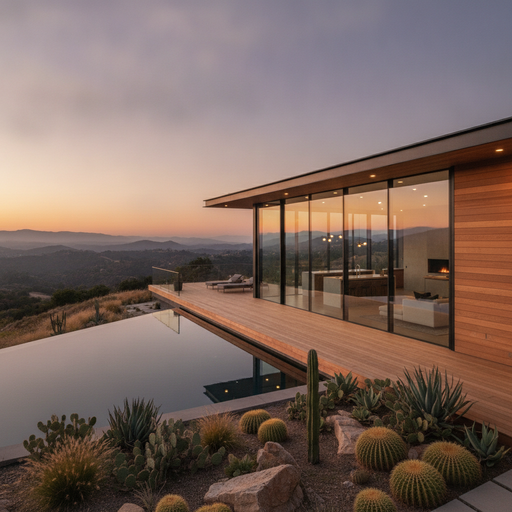
    Imagine waking up to the soft glow of the morning sun filtering through a wall made entirely of glass. You step out of bed, slide open a massive pocket door, and find yourself not in a hallway, but on a cedar-planked deck overlooking a canyon of sagebrush and oak trees. There is no line where the house ends and the earth begins. This is the quintessential California modern lifestyle—a philosophy of living that prioritizes light, air, and an unbreakable coection to the landscape.

    California architecture has always been a laboratory for iovation. From the clay-tiled roofs of Spanish Colonial Revivals to the minimalist steel frames of the Case Study Houses, the state has long dictated how we think about “the home.” Today, modern California architecture is undergoing another revolution. It is no longer just about looking sleek; it is about sustainability, wellness, and the art of “living small” even in expansive spaces. Whether you are building from scratch or looking to renovate your current space, these modern architectural ideas capture the spirit of the West Coast.

    The Seamless Indoor-Outdoor Transition

    If there is one hallmark of modern California design, it is the rejection of the traditional “box” house. In the Golden State, the outdoors is treated as an extra room—often the most important one. Architects today are using engineering marvels like multi-slide door systems that disappear entirely into the walls, effectively removing the barrier between the living room and the patio.

    To achieve this look, designers often use continuous flooring materials. Imagine a polished concrete floor that starts in your kitchen and extends all the way to your pool deck. By using the same material and color palette inside and out, the eye is tricked into seeing a much larger, more cohesive space. This isn’t just about aesthetics; it’s about a lifestyle that encourages you to step outside, breathe the coastal air, and live in rhythm with nature.

    Designing the Modern “Great Room”

    The “Great Room” is the heart of the modern California home. It combines the kitchen, dining area, and living space into one open-concept sanctuary. Instead of walls, architects use subtle cues to define spaces—a change in ceiling height, a floating fireplace, or a strategically placed kitchen island. This layout fosters social coection, ensuring that whether you are cooking dier or lounging on the sofa, you are part of the same shared experience.

    Honoring Materials: The Raw and the Refined

    Modern California architecture has moved away from the cold, sterile feel of 1990s minimalism. Today, the focus is on “Organic Modernism.” This style relies on a rich palette of natural materials that provide warmth and texture. It is about celebrating the honesty of the materials themselves.

    • Western Red Cedar: Often used for exterior siding or interior ceiling accents, cedar adds a warm, honey-toned glow that softens the sharp lines of modern architecture.
    • Board-Formed Concrete: This technique leaves the texture of wooden planks on the surface of the concrete, creating a look that is both industrial and organic.
    • Black Steel: Used for window frames and structural beams, black steel provides a sophisticated contrast to light-colored wood and white walls.
    • Natural Stone: Whether it’s a limestone accent wall or a travertine floor, stone coects the home to the rugged California terrain.

    By layering these materials, architects create homes that feel grounded. A modern home in the Hollywood Hills might feature heavy concrete walls for privacy, balanced by delicate glass and warm oak floors that make the interior feel light and airy.

    The Mastery of Natural Light and Shadow

    Light is the most important “building material” in California. The state’s unique climate—with its long, suy days and golden-hour sunsets—is something architects design around specifically. This goes beyond just having large windows; it’s about the choreography of light.

    Clerestory windows—small, horizontal windows placed high on a wall—are a staple of California modernism. They allow light to flood into the center of a room while maintaining privacy from neighbors. Similarly, skylights and light wells are used to illuminate bathrooms and hallways that might otherwise be dark. Designers also play with shadows, using pergolas or slatted wooden screens that create shifting patterns on the floor as the sun moves across the sky, turning the house into a living sundial.

    Sustainable Luxury: Building for the Future

    In a state where climate change and water conservation are top-of-mind, modern architecture has become synonymous with sustainability. But today’s eco-friendly homes don’t look like “green” experiments; they are masterpieces of luxury. This is the era of the high-performance home.

    Flat roofs are now frequently designed as “green roofs” covered in drought-tolerant succulents, which provide natural insulation and manage stormwater. Solar panels are no longer bulky eyesores; they are integrated directly into the roofline or used to power hidden battery systems like the Tesla Powerwall. Furthermore, xeriscaping—landscaping with native, water-wise plants like agave, lavender, and California poppies—has replaced the thirsty green lawn, creating a garden that feels like a natural extension of the wild landscape.

    The Rise of the ADU: Flexibility in Design

    As California’s housing needs evolve, so does the architecture. The Accessory Dwelling Unit (ADU), or “gray flat,” has become a key feature of modern home design. These secondary structures are often built in the same architectural style as the main house, serving as a guest suite, a home office, or a creative studio.

    The modern ADU reflects a shift toward multi-generational living and the “work from home” culture. Architects are designing these spaces with the same level of care as the primary residence, often featuring lofted ceilings and private outdoor niches. This flexibility allows a home to grow and change with its occupants, proving that modern architecture is as much about function as it is about form.

    Conclusion: Crafting Your Own Sanctuary

    Modern California home architecture is more than just a collection of design trends; it is a celebration of a specific way of life. It’s about stripping away the uecessary and focusing on what truly matters: the light, the view, and the people we share our space with. Whether you are inspired by the rugged coastline of Big Sur or the mid-century charm of Palm Springs, the core principles remain the same.

    By embracing natural materials, blurring the lines between inside and out, and prioritizing sustainable practices, you can create a home that feels both timeless and cutting-edge. California architecture teaches us that a house shouldn’t just be a place where we live—it should be a place where we feel most alive.

  • The Golden State of Living: Modern California Home Architecture Ideas for a Dream Lifestyle

    The Golden State of Living: Modern California Home Architecture Ideas for a Dream Lifestyle

    The Evolution of the California Dream

    Imagine waking up to the soft glow of the morning sun filtering through a wall made entirely of glass. You step out of bed, slide open a massive pocket door, and find yourself not in a hallway, but on a cedar-planked deck overlooking a canyon of sagebrush and oak trees. There is no line where the house ends and the earth begins. This is the quintessential California modern lifestyle—a philosophy of living that prioritizes light, air, and an unbreakable coection to the landscape.

    California architecture has always been a laboratory for iovation. From the clay-tiled roofs of Spanish Colonial Revivals to the minimalist steel frames of the Case Study Houses, the state has long dictated how we think about “the home.” Today, modern California architecture is undergoing another revolution. It is no longer just about looking sleek; it is about sustainability, wellness, and the art of “living small” even in expansive spaces. Whether you are building from scratch or looking to renovate your current space, these modern architectural ideas capture the spirit of the West Coast.

    The Seamless Indoor-Outdoor Transition

    If there is one hallmark of modern California design, it is the rejection of the traditional “box” house. In the Golden State, the outdoors is treated as an extra room—often the most important one. Architects today are using engineering marvels like multi-slide door systems that disappear entirely into the walls, effectively removing the barrier between the living room and the patio.

    To achieve this look, designers often use continuous flooring materials. Imagine a polished concrete floor that starts in your kitchen and extends all the way to your pool deck. By using the same material and color palette inside and out, the eye is tricked into seeing a much larger, more cohesive space. This isn’t just about aesthetics; it’s about a lifestyle that encourages you to step outside, breathe the coastal air, and live in rhythm with nature.

    Designing the Modern “Great Room”

    The “Great Room” is the heart of the modern California home. It combines the kitchen, dining area, and living space into one open-concept sanctuary. Instead of walls, architects use subtle cues to define spaces—a change in ceiling height, a floating fireplace, or a strategically placed kitchen island. This layout fosters social coection, ensuring that whether you are cooking dier or lounging on the sofa, you are part of the same shared experience.

    Honoring Materials: The Raw and the Refined

    Modern California architecture has moved away from the cold, sterile feel of 1990s minimalism. Today, the focus is on “Organic Modernism.” This style relies on a rich palette of natural materials that provide warmth and texture. It is about celebrating the honesty of the materials themselves.

    • Western Red Cedar: Often used for exterior siding or interior ceiling accents, cedar adds a warm, honey-toned glow that softens the sharp lines of modern architecture.
    • Board-Formed Concrete: This technique leaves the texture of wooden planks on the surface of the concrete, creating a look that is both industrial and organic.
    • Black Steel: Used for window frames and structural beams, black steel provides a sophisticated contrast to light-colored wood and white walls.
    • Natural Stone: Whether it’s a limestone accent wall or a travertine floor, stone coects the home to the rugged California terrain.

    By layering these materials, architects create homes that feel grounded. A modern home in the Hollywood Hills might feature heavy concrete walls for privacy, balanced by delicate glass and warm oak floors that make the interior feel light and airy.

    The Mastery of Natural Light and Shadow

    Light is the most important “building material” in California. The state’s unique climate—with its long, suy days and golden-hour sunsets—is something architects design around specifically. This goes beyond just having large windows; it’s about the choreography of light.

    Clerestory windows—small, horizontal windows placed high on a wall—are a staple of California modernism. They allow light to flood into the center of a room while maintaining privacy from neighbors. Similarly, skylights and light wells are used to illuminate bathrooms and hallways that might otherwise be dark. Designers also play with shadows, using pergolas or slatted wooden screens that create shifting patterns on the floor as the sun moves across the sky, turning the house into a living sundial.

    Sustainable Luxury: Building for the Future

    In a state where climate change and water conservation are top-of-mind, modern architecture has become synonymous with sustainability. But today’s eco-friendly homes don’t look like “green” experiments; they are masterpieces of luxury. This is the era of the high-performance home.

    Flat roofs are now frequently designed as “green roofs” covered in drought-tolerant succulents, which provide natural insulation and manage stormwater. Solar panels are no longer bulky eyesores; they are integrated directly into the roofline or used to power hidden battery systems like the Tesla Powerwall. Furthermore, xeriscaping—landscaping with native, water-wise plants like agave, lavender, and California poppies—has replaced the thirsty green lawn, creating a garden that feels like a natural extension of the wild landscape.

    The Rise of the ADU: Flexibility in Design

    As California’s housing needs evolve, so does the architecture. The Accessory Dwelling Unit (ADU), or “gray flat,” has become a key feature of modern home design. These secondary structures are often built in the same architectural style as the main house, serving as a guest suite, a home office, or a creative studio.

    The modern ADU reflects a shift toward multi-generational living and the “work from home” culture. Architects are designing these spaces with the same level of care as the primary residence, often featuring lofted ceilings and private outdoor niches. This flexibility allows a home to grow and change with its occupants, proving that modern architecture is as much about function as it is about form.

    Conclusion: Crafting Your Own Sanctuary

    Modern California home architecture is more than just a collection of design trends; it is a celebration of a specific way of life. It’s about stripping away the uecessary and focusing on what truly matters: the light, the view, and the people we share our space with. Whether you are inspired by the rugged coastline of Big Sur or the mid-century charm of Palm Springs, the core principles remain the same.

    By embracing natural materials, blurring the lines between inside and out, and prioritizing sustainable practices, you can create a home that feels both timeless and cutting-edge. California architecture teaches us that a house shouldn’t just be a place where we live—it should be a place where we feel most alive.

  • Sun, Sand, and Your Front Door: The Ultimate Guide to Florida Coastal Real Estate Listings

    Sun, Sand, and Your Front Door: The Ultimate Guide to Florida Coastal Real Estate Listings

    Imagine waking up to the gentle rhythm of waves kissing the shore, the smell of salt air mingling with your morning coffee, and the sight of a golden sun rising over a vast, turquoise horizon. This isn’t just a scene from a luxury travel brochure; for many, this is the daily reality of owning a piece of Florida’s coastal paradise. Whether you are looking for a permanent residence, a vacation getaway, or a savvy investment, diving into Florida coastal real estate listings is the first step toward a life defined by the tides.

    The Magic of the Sunshine State’s Coastline

    Florida is unique because it offers two distinct coastal experiences: the Atlantic Ocean to the east and the Gulf of Mexico to the west. Each side has its own personality, rhythm, and architectural style. When you start browsing Florida coastal real estate listings, you aren’t just looking for a house; you’re choosing a lifestyle.

    On the Atlantic side, places like Miami, Fort Lauderdale, and West Palm Beach offer high-energy urban living paired with stuing beaches. Here, the listings are often dominated by sleek, modern high-rises and sprawling estates that boast private docks. Further north, in areas like Daytona or St. Augustine, the vibe becomes more historic and laid-back, featuring charming beach cottages and family-friendly communities.

    Flip over to the Gulf Coast—home to Naples, Sarasota, and Clearwater—and you’ll find a different kind of magic. The water is often calmer and warmer, and the sunsets are legendary. Gulf Coast listings often feature Mediterranean-style villas and luxurious condos that emphasize relaxation and quiet elegance. The sand here, particularly in places like Siesta Key, is world-famous for being as white and fine as powdered sugar.

    What to Look for in a Coastal Listing

    Searching through thousands of Florida coastal real estate listings can be overwhelming. To find the “one,” you need to look beyond the beautiful photos and focus on the details that matter for waterfront living. Here are a few things I always tell prospective buyers to keep an eye on:

    • Water Frontage vs. Water View: A listing might say “waterfront,” but does it have direct access to the beach? Or is there a road between the house and the sand? “Water view” means you can see the ocean, but “waterfront” typically means your backyard is the beach.
    • The “High-Water Mark” for Insurance: Coastal living comes with specific responsibilities. When reviewing listings, check if the property is in a designated flood zone. This will impact your insurance premiums and the type of construction required for any future renovations.
    • HOA and Condo Fees: Many coastal properties, especially condos, come with Homeowners Association (HOA) fees. While these cover amenities like pools, security, and beach maintenance, they can vary significantly. Always look for the fine print regarding what is included.
    • Outdoor Living Spaces: In Florida, your balcony or patio is essentially an extra room. Look for listings that prioritize outdoor kitchens, covered lanais, and impact-resistant glass doors that blur the line between inside and out.

    The Rise of the “Coastal Modern” Aesthetic

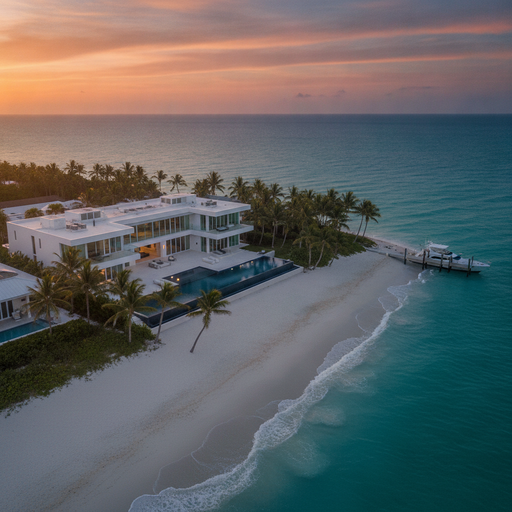
    As you scroll through current Florida coastal real estate listings, you’ll notice a trend that has taken the state by storm: Coastal Modern architecture. This style combines clean, minimalist lines with natural materials like driftwood-toned flooring and coral stone accents. These homes are designed to let the light in, featuring floor-to-ceiling windows that turn the ocean into a living piece of art.

    Navigating the Market: Timing and Strategy

    The Florida real estate market is dynamic and can be highly competitive, especially for prime coastal spots. Understanding the timing can save you thousands. Typically, the market heats up in the winter months when “snowbirds” from the north head south to escape the cold. This is when inventory is highest, but so is the competition.

    If you’re looking for a deal, sometimes searching for Florida coastal real estate listings in the late summer or early fall can yield results. While the weather is hotter, sellers might be more motivated to close before the next peak season begins. However, regardless of the season, the best properties—those with unobstructed views and recent renovations—rarely stay on the market for more than a few days.

    The Investment Potential of the Coast

    Beyond the lifestyle benefits, Florida coastal real estate is a historically strong investment. Florida has no state income tax, which continues to drive a steady stream of residents from higher-tax states. This migration keeps demand for coastal properties high. Many buyers use their coastal homes as short-term rentals when they aren’t using them, leveraging platforms like Airbnb or VRBO to offset mortgage costs.

    However, if investment is your primary goal, pay close attention to local zoning laws. Some coastal towns have strict regulations on short-term rentals, while others are very “investor-friendly.” A seasoned local real estate agent can help you navigate these nuances so your dream home doesn’t turn into a regulatory headache.

    Sustainable Living by the Sea

    Modern Florida coastal real estate listings are increasingly highlighting “green” features. From solar panels that thrive in the Florida sun to LEED-certified building materials, sustainability is becoming a luxury standard. Buyers are looking for homes that are not only beautiful but also resilient against the elements, featuring sea walls, reinforced foundations, and storm-rated windows.

    Life Beyond the Beach

    Owning a coastal home in Florida isn’t just about the sand. It’s about what the coast allows you to do. Many listings are located within “golf cart communities” where you can zip from your front door to a world-class seafood dier or a local boutique without ever touching a car. Boating culture is also a massive draw. Listings with private docks or proximity to a marina are highly coveted, offering the freedom to spend your Saturdays exploring hidden keys and sandbars.

    Conclusion: Your Journey Starts Here

    Searching for Florida coastal real estate listings is more than just a house hunt; it’s the begiing of a new chapter. Whether you are drawn to the rugged beauty of the Atlantic or the tranquil sunsets of the Gulf, there is a piece of the Florida coast waiting for you. It requires a bit of research, a clear understanding of your priorities, and perhaps a little bit of dreaming.

    The market may change, and the styles may evolve, but the allure of the Florida coast remains timeless. So, take the plunge. Start scrolling, start visiting, and soon, you might just find yourself holding the keys to a home where the horizoever ends and the sunshine never fades.

  • The Art of the Modern Facade: Why Custom Exterior Brick is Making a Stunning Comeback

    The Art of the Modern Facade: Why Custom Exterior Brick is Making a Stunning Comeback

    Imagine walking down a quiet suburban street or a bustling urban avenue. Your eyes scan the familiar silhouettes of glass, concrete, and siding. Then, suddenly, something stops you in your tracks. It is a house that doesn’t just sit on the lot—it breathes. It has texture, depth, and a rhythm that feels both ancient and futuristic. You are looking at a modern custom brick facade, and it is changing everything we thought we knew about residential architecture.

    For a long time, brick was pigeonholed as the “traditional” choice. It was the material of colonial estates and mid-century schoolhouses. But today, a revolution is happening. Architects and homeowners are rediscovering brick not as a boring red block, but as a versatile medium for artistic expression. By playing with orientation, color, and spacing, custom brickwork is defining the new standard for luxury modern exteriors.

    Beyond the Red Box: The Evolution of Brick

    The story of brick is thousands of years old, but its modern chapter is perhaps the most exciting yet. In the past, brick was primarily structural; it held the house up. Today, with the advent of steel and wood framing, brick has been liberated to become a decorative skin—a “curtain wall” that allows for incredible creative freedom.

    Modern custom facades move away from the uniform, repetitive patterns of the past. Instead of the standard ruing bond we see on every street corner, modern designs embrace “stack bonds,” where bricks are aligned perfectly in vertical and horizontal rows to create a clean, grid-like aesthetic. This simple shift in orientation transforms a traditional material into a minimalist masterpiece that complements the sharp lines of contemporary architecture.

    Playing with Light and Shadow: The Hit-and-Miss Technique

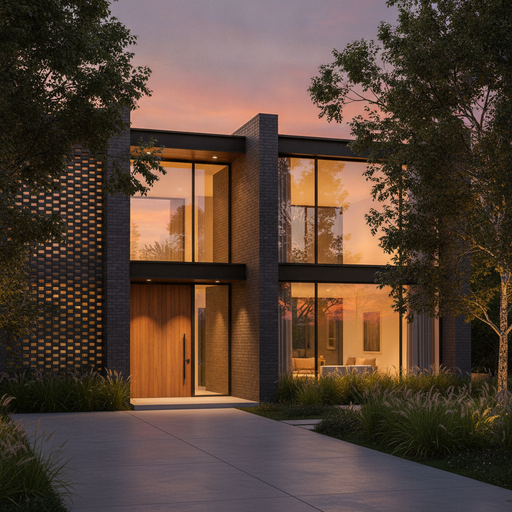
    One of the most breathtaking trends in custom brickwork is the “hit-and-miss” or perforated brick wall. By leaving intentional gaps between bricks, architects create a screen that acts like a veil for the building. During the day, sunlight filters through these gaps, casting intricate, dancing patterns of light across the interior floors. It provides privacy without sacrificing natural light or ventilation.

    At night, the effect reverses. The interior lights of the home glow through the brick perforations, making the entire house look like a glowing lantern. This interplay of light and shadow turns a static wall into a dynamic feature that changes throughout the day. It’s a tactile, three-dimensional experience that paint or flat siding simply caot replicate.

    The New Color Palette: From Obsidian to Alabaster

    If you think brick only comes in “rusty red,” think again. The modern custom facade thrives on a sophisticated color palette. We are seeing a massive surge in popularity for monochromatic looks—specifically deep charcoals, matte blacks, and shimmering silvers. These dark tones give a home an air of mystery and weight, allowing it to blend seamlessly into a wooded landscape or stand out as a bold statement in an urban setting.

    On the other end of the spectrum, long, thin “Roman-style” bricks in creamy whites and pale grays are being used to create a sense of serenity and expansiveness. These lighter bricks often feature a hand-molded texture, giving the modern design a “wabi-sabi” feel—the beauty of imperfection. When you choose a custom brick color, you aren’t just picking a shade; you are picking the mood of your home.

    Texture and Mortar: The Devil in the Details

    In modern design, the “mortar joint”—the space between the bricks—is just as important as the brick itself. In traditional masonry, the mortar is usually recessed or rounded. However, in custom modern facades, designers often use “flush” or “over-slung” mortar to create a monolithic look. When the mortar is the same color as the brick and filled to the edge, the wall looks like a single, solid piece of carved stone from a distance.

    Alternatively, some designers are opting for “shadow gaps,” where the horizontal mortar is deeply recessed but the vertical joints are filled. This emphasizes the horizontal length of the house, making a structure look lower, sleeker, and more grounded to the earth. It is these tiny, technical decisions that separate a standard brick house from a custom architectural icon.

    Material Fusion: Mixing Brick with the Modern World

    A custom brick facade rarely stands alone in modern design. Its true beauty is revealed when it is contrasted with other high-end materials. Imagine a charcoal brick wall paired with warm, natural cedar siding. The “cold” masonry and “warm” wood create a visual balance that feels organic yet disciplined.

    Large expanses of glass are also a natural partner for custom brick. The heavy, grounded nature of the brickwork provides a perfect frame for the lightness and transparency of floor-to-ceiling windows. Toss in some black steel beams or copper accents, and you have a facade that tells a story of craftsmanship and industrial elegance. This “layered” approach to materials is what gives modern homes their “wow” factor.

    The Sustainability of Style

    While we often talk about the aesthetics of custom brick, we shouldn’t overlook its practical genius. In an era where sustainability is paramount, brick is a hero. It is made from natural clay, it is incredibly durable (lasting 100 years or more), and it is completely fire-resistant. Furthermore, brick has excellent “thermal mass” properties, meaning it absorbs heat during the day and releases it slowly at night, helping to regulate the temperature of the home naturally.

    When you invest in a custom brick facade, you aren’t just buying a look; you are investing in a low-maintenance future. There is no painting, no rotting, and no warping. It is a “forever” material that ages gracefully, developing a beautiful patina over decades that only adds to its character.

    Conclusion: Building Your Legacy

    Choosing a custom exterior brick facade is an act of rebellion against the “disposable” culture of modern construction. It is a commitment to quality, texture, and timeless design. Whether you are drawn to the dark, moody tones of an urban loft or the light, airy feel of a Scandinavian-inspired villa, custom brickwork provides the tools to build something truly unique.

    As we move forward into a new decade of design, the most “modern” homes will be the ones that look back at traditional materials with fresh eyes. By embracing custom patterns, bold colors, and iovative masonry techniques, you can turn the exterior of your home into a living piece of art. Your home is your sanctuary—why not wrap it in a material that is as strong, beautiful, and enduring as the life you are building inside?

  • Sun, Surf, and Keys: The Ultimate Guide to Navigating the California Coastal Real Estate Market

    Sun, Surf, and Keys: The Ultimate Guide to Navigating the California Coastal Real Estate Market

    The Dream of the Pacific Shoreline

    Imagine waking up to the rhythmic sound of waves crashing against the shore, the smell of salt air wafting through your window, and the sight of a golden sun dipping below the horizon every single evening. For many, owning a piece of the California coast isn’t just a real estate transaction—it is the culmination of a lifelong dream. Whether it is the rugged, misty cliffs of Northern California or the sun-drenched boardwalks of San Diego, the “Golden State” offers a lifestyle that is hard to replicate anywhere else in the world.

    However, as someone who has walked through dozens of coastal properties and seen the sparkle in buyers’ eyes, I can tell you that buying a home on the coast is vastly different from buying a suburban tract home inland. It requires a blend of romantic vision and cold, hard pragmatism. The ocean is a beautiful neighbor, but she is also a powerful force of nature. In this guide, I want to take you through the journey of finding your perfect coastal sanctuary while avoiding the common pitfalls that can turn a dream home into a logistical headache.

    Choose Your Coastal Flavor: North, Central, or South?

    The first thing you need to realize is that California’s 840 miles of coastline are not a monolith. Each region offers a distinct lifestyle, climate, and price point. Your first step is deciding which “vibe” suits your daily life.

    Southern California: The Classic Postcard

    If you picture palm trees, surf culture, and year-round sunshine, Southern California (SoCal) is your destination. From the luxury estates of Malibu to the laid-back beach cottages of San Clemente, this region is all about the outdoor lifestyle. However, be prepared for higher density and a competitive market. Here, you aren’t just paying for the house; you’re paying for the proximity to world-class dining, entertainment, and that iconic “Endless Summer” atmosphere.

    Central California: The Hidden Gems

    Moving up to places like San Luis Obispo or Monterey, the pace slows down. The Central Coast offers a more rustic, agricultural charm mixed with stuing ocean views. You might find larger lots and a slightly more “neighborhood” feel compared to the frantic pace of Los Angeles or Orange County. It is the perfect middle ground for those who want coastal beauty without the heavy traffic.

    Northern California: Rugged Majesty

    North of San Francisco, the coast becomes dramatic and moody. Think towering redwoods meeting the sea, rocky outcrops, and refreshing (if chilly) temperatures. Life here is about quiet contemplation and nature. The homes often feature mid-century modern designs or cozy cabins built to withstand the wind and fog. It’s less about bikinis and more about Patagonia jackets.

    The Salt Air Tax: Understanding Maintenance

    One of the stories I always tell prospective buyers is about “The Salt Air Tax.” When you live within a mile of the ocean, the environment is much harsher on a building than it is inland. Saltwater is corrosive. It eats away at metal railings, peels paint, and can even affect the lifespan of your appliances if they aren’t properly shielded.

    • Windows and Hardware: You will likely want fiberglass or vinyl window frames rather than metal. Stainless steel hardware is a must, and even then, it requires regular cleaning to prevent pitting.
    • Exterior Finishes: Stucco and wood siding are popular, but they require frequent inspections. Be prepared to wash your house—literally—every few months to remove salt buildup.
    • HVAC Systems: Condenser units near the beach tend to have a shorter lifespan. Look for units specifically treated for coastal environments.

    The Environmental Reality: Erosion and Rising Tides

    In a storytelling sense, the ocean is the protagonist of your new life, but she can also be the antagonist. Coastal erosion is a serious topic in California. Before you fall in love with a bluff-top property, you must do your due diligence regarding the land’s stability.

    I always recommend hiring a geotechnical engineer during your contingency period. They will look at the bluff’s retreat rate—essentially how much land is disappearing into the sea each year. This isn’t just about safety; it’s about insurability. Many traditional insurance companies have pulled back from coastal zones, so you may need to look into specialized policies or the California FAIR Plan. Understanding your flood zone and the elevation of the property is non-negotiable.

    Navigating the California Coastal Commission

    If you plan on remodeling your new coastal home, you need to become familiar with the California Coastal Commission. Established in 1972, this agency oversight ensures that the coast remains accessible to the public and that development doesn’t harm the environment.

    Getting a permit for a simple deck or an extension can be significantly more complex and time-consuming within the “Coastal Zone” than it is elsewhere. They have strict rules about blocking ocean views for the public and maintaining public access paths. A good local architect who has experience dealing with the Commission is worth their weight in gold.

    The Lifestyle Check: Can You Handle the Tourists?

    Living at the beach is a dream, but remember that everyone else wants to be there too, especially on holiday weekends. When you are scouting locations, visit the neighborhood on a Saturday afternoon in July, not just a Tuesday morning iovember.

    Does your street turn into a parking lot for beachgoers? Is there a public trail right next to your bedroom window? Some people love the energy of a bustling beach town, while others prefer the seclusion of a gated community or a less-accessible cove. Make sure the reality of the daily traffic matches your expectations for peace and quiet.

    Financing the Dream: Jumbo Loans and Appraisals

    Because California coastal real estate often carries a premium price tag, you will likely be entering the realm of “Jumbo Loans.” These loans have stricter credit requirements and often require larger down payments than standard conventional loans. Furthermore, appraisals can be tricky. In a coastal neighborhood, a house one block away might be worth $500,000 more just because it has a “peek-a-boo” view of the water. Working with a lender who understands the nuances of coastal valuations is essential to ensure your loan doesn’t fall through at the last minute.

    Conclusion: Is It Worth It?

    After reading about corrosive salt, complex permits, and erosion, you might be wondering if it’s all worth the trouble. The answer, for almost everyone who makes the leap, is a resounding yes. There is a psychological peace that comes with living by the water. The air is cleaner, the views are soul-stirring, and the investment value of California coastal land has historically remained incredibly resilient.

    Buying a coastal home is about more than just square footage and bedroom counts; it’s about choosing a backdrop for your life’s best memories. By doing your homework, hiring the right experts, and respecting the power of the Pacific, you can find a sanctuary that will bring you joy for decades to come. Welcome to the coast—the water is fine!

  • Coastal Cool: Transforming Your Space with Modern California Home Renovation Ideas

    Coastal Cool: Transforming Your Space with Modern California Home Renovation Ideas

    The Magic of the Golden State: Redefining Your Living Space

    Imagine waking up to the soft, golden glow of the morning sun as it filters through expansive glass walls. You walk across wide-plank white oak floors, feeling the gentle transition between your living room and the outdoor patio where the scent of jasmine hangs in the air. This isn’t just a vacation fantasy; it is the essence of Modern California design. Whether you live in the heart of Los Angeles or thousands of miles away, the “California Modern” aesthetic offers a lifestyle centered on wellness, light, and a seamless coection to nature.

    Renovating a home with a California-inspired vision isn’t just about changing the paint color or upgrading the appliances. It’s about a fundamental shift in how you experience your environment. It’s about stripping away the clutter of traditional architecture and embracing a “less is more” philosophy that prioritizes quality, organic materials, and an effortless flow. In this guide, we will explore the essential renovation ideas that can turn any house into a modern West Coast sanctuary.

    1. The Art of Indoor-Outdoor Integration

    In California, the backyard isn’t just a yard—it’s an extension of the living room. The most impactful renovation you can undertake to achieve this look is the installation of floor-to-ceiling glass doors. Large-scale sliding systems or “pocket doors” that disappear completely into the walls are the gold standard for this style.

    Creating a “California Room”

    A California Room is a covered outdoor space that functions as a secondary lounge. When renovating, consider extending your roofline to create a shaded patio area. Equip it with built-in heaters for chilly evenings, a sleek outdoor fireplace, and comfortable, weather-resistant sectional sofas. The goal is to make the transition from the indoor rug to the outdoor deck feel almost invisible.

    Matching Floor Levels

    To truly achieve that seamless flow, ensure that your indoor flooring and outdoor decking are at the exact same level. Using similar materials—such as indoor-rated limestone transitioning to outdoor-rated pavers of the same color—tricks the eye into thinking the entire space is one massive room.

    2. The Heart of the Home: A Minimalist, Organic Kitchen

    The modern California kitchen has evolved away from the cold, clinical look of all-white cabinets. Today’s trend focuses on “Organic Modernism.” This means bringing in warmth through natural wood grains and earthy textures while keeping the lines clean and functional.

    • Light Wood Cabinetry: Trade in dark mahogany or stark white for rift-sawn white oak. It provides a beautiful, linear grain that adds warmth without feeling heavy.
    • Waterfall Islands: A large kitchen island with a stone slab that “falls” over the edges to the floor creates a sculptural focal point. Choose marble with subtle veining or durable quartzite for a high-end finish.
    • Integrated Appliances: To keep the kitchen looking like a piece of furniture rather than a utility zone, use panel-ready refrigerators and dishwashers that match your cabinetry.
    • Open Shelving: Instead of bulky upper cabinets, install a few floating wooden shelves to display artisanal ceramics and greenery.

    3. Bathrooms as Personal Sanctuaries

    A California renovation isn’t complete without transforming the primary bathroom into a spa-like retreat. The philosophy here is “Zen Minimalism.” You want a space that feels calm, airy, and grounded iatural elements.

    The Wet Room Concept

    Modern renovations are increasingly moving toward “wet rooms,” where the freestanding bathtub and the shower are housed within the same glass-enclosed area. This not only looks incredibly luxurious but also makes the bathroom feel much larger.

    Natural Stone and Skylights

    Using large-format tiles in sandy tones or slate grays can mimic the rugged beauty of the California coastline. If your bathroom layout allows, add a skylight above the shower. There is nothing quite like showering under natural light to start your day with a sense of peace.

    4. Embracing the Organic Color Palette

    If you look at the landscape of Northern and Southern California, you see a specific set of colors: the muted greens of sagebrush, the warm tans of the desert, the soft grays of the Pacific fog, and the crisp white of coastal homes. This is your palette.

    When choosing paint, avoid stark, blue-toned whites. Instead, opt for “Warm Whites” that have a slight creamy undertone. These shades catch the sunlight beautifully and make the room feel inviting rather than sterile. Accents should be kept in the earthy realm—think terracotta, charcoal, and olive green. These colors ground the brightness of the white walls and provide a sophisticated contrast.

    5. Sustainable and Smart Living

    Modern California design is deeply rooted in environmental consciousness. A renovation is the perfect time to integrate sustainable technology that not only helps the planet but also increases your home’s value.

    Solar and Energy Efficiency

    California is a leader in solar energy, and incorporating sleek, low-profile solar panels is a hallmark of a modern renovation. Pair this with a smart home system that controls your lighting, heating, and cooling. Smart shades that automatically lower during the hottest part of the day can significantly reduce your energy footprint while keeping your home comfortable.

    Native Landscaping

    The renovation shouldn’t stop at the walls. Modern California curb appeal relies on “xeriscaping”—using drought-tolerant plants like agave, lavender, and ornamental grasses. These plants require very little water and provide a sculptural, modern look that complements the architecture of the home.

    6. Lighting: The Invisible Architect

    In a modern home, lighting is used to highlight architectural features and create mood. Ditch the traditional center-room ceiling fans and bulky chandeliers. Instead, focus on layered lighting.

    • Recessed Pin Lights: Small, discreet LED lights that provide bright illumination without cluttering the ceiling.
    • Cove Lighting: Hidden LED strips in ceiling recesses or under cabinets that create a soft, ethereal glow.
    • Statement Pendants: Use one or two oversized, organic-shaped pendants—perhaps made of woven rattan or hand-blown glass—over the dining table or kitchen island to act as a piece of art.

    Conclusion: Living the Dream

    At its core, a modern California home renovation is about creating a space that breathes. It is about removing the barriers between you and the natural world, choosing quality over quantity, and prioritizing a sense of calm in an increasingly busy world. By focusing oatural light, organic materials, and a seamless indoor-outdoor flow, you don’t just change the look of your house—you change the way you live within it.

    Whether you are knocking down walls to create an open floor plan or simply swapping out hardware and paint, remember that the “California look” is a feeling of ease. It is a home that feels sophisticated enough for a dier party but comfortable enough to walk through barefoot after a long day. Start your journey today, and bring a piece of the Golden State sunshine into your life.

  • Riding the Wave: Why Florida Coastal Housing Demand Shows No Sign of Slowing Down

    Riding the Wave: Why Florida Coastal Housing Demand Shows No Sign of Slowing Down

    The Allure of the Sun-Drenched Horizon

    Imagine waking up to the rhythmic sound of waves gently crashing against the shore, a warm salty breeze drifting through your window, and the promise of three hundred days of sunshine a year. For decades, this dream has acted as a powerful magnet, drawing thousands of people to the Florida coastline. But in recent years, what used to be a steady stream of retirees has turned into a massive tidal wave of migration. The demand for Florida coastal housing has reached unprecedented heights, transforming the state’s real estate landscape into one of the most dynamic—and complex—markets in the United States.

    Walking through the streets of coastal towns like Naples, Sarasota, or West Palm Beach today, you can feel the energy. New developments are rising, historic bungalows are being meticulously renovated, and “Sold” signs seem to appear almost as soon as a property hits the market. But what exactly is driving this insatiable hunger for a piece of the Sunshine State? To understand the current demand, we have to look beyond just the beautiful beaches and dive into the cultural, economic, and social shifts that have redefined where and how Americans want to live.

    The Great Migration: More Than Just Retirees

    For a long time, the narrative of Florida real estate was simple: people worked their entire lives in the North, retired, and moved to Florida to play golf. While that demographic remains a cornerstone of the market, the profile of the average buyer has shifted dramatically. The catalyst, as with many things in the modern era, was the global shift toward remote work. Suddenly, the “where” of a job became less important than the “where” of one’s life.

    Professionals in their 30s and 40s realized they no longer needed to endure grueling commutes iew York, Chicago, or San Francisco. If they could participate in a Zoom meeting from a home office overlooking the Gulf of Mexico, why wouldn’t they? This influx of younger, high-earning professionals has created a competitive environment for coastal properties that offer both luxury and coectivity. They aren’t just looking for a place to retire; they are looking for a place to raise families, build businesses, and enjoy an active lifestyle year-round.

    The Financial Incentive: A Tax Haven by the Sea

    While the lifestyle is a major draw, we caot overlook the cold, hard numbers. Florida remains one of the few states in the U.S. without a state income tax. For high-net-worth individuals and business owners moving from high-tax states like California or New Jersey, the savings are astronomical. In many cases, the money saved on state taxes alone is enough to cover a significant portion of a monthly mortgage on a premium coastal property.

    This financial “carrot” has spurred a corporate migration as well. As major financial firms and tech companies open offices in Miami and Tampa—often dubbed “Wall Street South” and “Silicon Bay”—they bring with them thousands of employees who need housing. This corporate backing provides a level of stability to the housing demand that wasn’t as prevalent in previous decades. It’s not just a speculative bubble; it’s an economic relocation.

    The Inventory Challenge: A Finite Supply of Paradise

    Basic economics tells us that when demand is high and supply is low, prices rise. In the context of Florida’s coast, supply is naturally limited by geography. There is only so much beachfront and “near-beach” land available. This scarcity has led to a fierce competition for available lots and existing homes.

    In many coastal communities, we are seeing a trend of “teardowns.” Buyers are purchasing older, smaller homes from the 1960s or 70s at premium prices, only to demolish them and build modern, storm-resistant luxury estates. This evolution of the housing stock is increasing property values across the board, but it also means that the entry point for living near the water is moving higher and higher. For the aspiring homeowner, the market requires quick decision-making and a solid financial strategy.

    Navigating the Storm: Resilience and Insurance

    It would be remiss to discuss Florida coastal housing without addressing the elephant in the room: the environment. Florida is on the front lines of climate change, facing threats from hurricanes and rising sea levels. However, rather than dampening demand, these challenges have sparked a revolution in building science and community plaing.

    Modern coastal homes in Florida are now built to some of the strictest building codes in the world. From impact-resistant windows that can withstand hurricane-force winds to elevated foundations and advanced drainage systems, the “new” Florida home is a fortress of engineering. Buyers are increasingly prioritizing these resilient features, viewing them not just as safety measures, but as essential protections for their investment.

    The insurance market, while currently facing its own set of challenges with rising premiums, is also a focal point of discussion. Despite the costs, the demand remains robust because, for many, the “lifestyle tax” of higher insurance is a price worth paying for the unparalleled quality of life that coastal Florida offers. People are choosing to adapt rather than retreat.

    The Micro-Markets: From Miami Glamour to Panhandle Peace

    The demand isn’t uniform across the state; Florida offers a diverse menu of coastal experiences.

    • Southeast Florida (Miami, Fort Lauderdale, Palm Beach): This region remains the piacle of luxury and international appeal. It’s high-energy, cosmopolitan, and features some of the most expensive real estate in the world.
    • The Gulf Coast (Naples, Sarasota, Tampa): Known for its calmer waters and spectacular sunsets, this area has seen an explosion in demand from families and those seeking a slightly more relaxed, yet sophisticated, lifestyle.
    • The Emerald Coast (Destin, 30A, Panama City Beach): The Florida Panhandle has transformed from a regional vacation spot into a national destination. The “30A” corridor, in particular, is seeing unprecedented demand for its New Urbanism design and white-sand beaches.
    • The Space Coast and First Coast (Melbourne, St. Augustine, Jacksonville): These areas offer a blend of history, aerospace iovation, and relatively more affordable coastal options compared to the southern hubs.

    Investment Potential: Short-Term Gains vs. Long-Term Wealth

    For investors, Florida’s coastal market offers a dual-threat advantage. On one hand, the short-term rental market (driven by platforms like Airbnb and VRBO) is incredibly lucrative. Florida remains one of the most visited places on Earth, and coastal vacation rentals often boast high occupancy rates and premium nightly prices.

    On the other hand, the long-term appreciation of coastal land in Florida has historically outpaced many other regions. As the state’s population continues to grow—adding roughly 1,000 people per day—the long-term value of limited coastal assets is widely viewed as a “safe bet” for wealth preservation. Investors are no longer just looking for a quick flip; they are looking to hold property in a state that is actively positioning itself as a future-forward economic powerhouse.

    Conclusion: The Future of the Florida Coast

    As we look toward the future, the demand for Florida coastal housing appears to be more than just a passing trend. It is the result of a fundamental shift in how people prioritize their environment, their finances, and their time. While challenges like insurance and inventory will continue to test the market’s resilience, the underlying draw of the Florida lifestyle remains a constant.

    Whether it’s the lure of the turquoise water, the freedom of a tax-friendly environment, or the security of a modern, storm-ready home, Florida’s coast continues to offer something that few other places can match. For those ready to ride the wave, the Sunshine State isn’t just a place to live—it’s a place to thrive. The horizon is bright, and for the Florida coastal real estate market, the tide is still very much coming in.

  • Beyond the Facade: Transformative Custom Exterior Architectural Concepts for the Modern Home

    Beyond the Facade: Transformative Custom Exterior Architectural Concepts for the Modern Home

    The Art of the First Impression

    Imagine walking down a street where every house looks exactly the same. The same beige siding, the same rectangular windows, and the same predictable rooflines. It feels a bit like a movie set where the budget ran out before they could add character. Now, imagine turning a corner and seeing a home that stops you in your tracks. It doesn’t just sit on the lot; it belongs there. Its lines are bold, its materials are unexpected, and it seems to tell a story about the people who live inside. This is the power of custom exterior architectural concepts.

    Your home’s exterior is more than just a protective shell against the elements; it is the face you present to the world. It is the prologue to your life’s story. In recent years, we have seen a massive shift away from “cookie-cutter” developments toward bespoke designs that prioritize individuality, sustainability, and a deep coection to the surrounding environment. Whether you are building from scratch or plaing a major renovation, thinking outside the architectural box can turn a standard dwelling into a living piece of art.

    The Philosophy of Custom Design: Why Go Bespoke?

    When we talk about “custom,” we aren’t just talking about choosing a different paint color. We are talking about architectural soul. Custom exterior design allows you to solve specific problems while expressing your personal aesthetic. Perhaps you have a lot with a challenging slope, or maybe you want to capture a specific view of the sunset that a standard floor plan would ignore. Custom architecture treats these challenges as opportunities for iovation.

    The journey of creating a custom exterior begins with a simple question: How do you want to feel when you arrive home? Do you want to feel the grounded strength of raw concrete and steel? Or do you prefer the organic warmth of natural wood and stone? By moving away from mass-produced designs, you gain the freedom to experiment with volume, light, and texture in ways that reflect your unique lifestyle.

    Material Alchemy: Mixing the Old with the New

    One of the most exciting trends in custom exterior architecture is “material alchemy”—the practice of combining contrasting materials to create visual tension and harmony. Gone are the days when a house had to be all brick or all siding. Today’s most stuing homes play with the relationship between different surfaces.

    • Charred Wood and Cold Steel: The Japanese technique of Shou Sugi Ban (charred cedar) provides a deep, silken black texture that looks incredible when paired with the sharp, industrial lines of Corten steel or matte black aluminum frames.
    • Raw Concrete and Natural Greenery: There is something deeply poetic about the brutalist aesthetic of poured concrete being softened by vertical gardens or cascading vines. It creates a “modern ruin” look that feels both ancient and futuristic.
    • Glass as a Borderless Canvas: Using oversized, floor-to-ceiling glass panels isn’t just about the view; it’s about making the exterior of the house feel weightless. When done correctly, glass can make a massive structure feel like it’s floating above the landscape.

    Sculptural Geometry: Moving Beyond the Box

    Most traditional homes are a series of stacked boxes. Custom architectural concepts challenge this by introducing sculptural geometry. Think of your home as a 3D sculpture that changes as you walk around it. This can be achieved through cantilevered sections that hang out over a patio, or asymmetrical rooflines that mimic the jagged peaks of a nearby mountain range.

    Cantilevers, in particular, have become a hallmark of modern custom design. By extending a portion of the upper floor out over the lower floor without visible support, architects create a sense of drama and provide built-in shading for the outdoor spaces below. This play with “voids and solids” ensures that the house looks different at every angle, offering a constant sense of discovery for the observer.

    The Biophilic Coection: Bringing the Outside In

    We are currently living through a biophilic revolution. People are realizing that we are happier and healthier when we are coected to nature. Custom exterior concepts are now leaning heavily into this philosophy. It’s no longer just about having a backyard; it’s about the house itself acting as a bridge to the environment.

    This can manifest in “living walls” integrated directly into the facade, or internal courtyards that are visible from the street through strategic cut-outs. Another popular concept is the use of “disappearing walls”—massive sliding glass doors that pocket into the structure, effectively erasing the line between the living room and the patio. In a custom home, the exterior design dictates how you interact with the air, the light, and the earth around you.

    Lighting as an Architectural Element

    A truly great custom exterior shouldn’t disappear when the sun goes down. In fact, for many homeowners, the “night mode” of their house is their favorite version. Professional architectural lighting is no longer an afterthought; it is baked into the design from day one.

    Instead of just sticking a few lanterns by the front door, custom concepts use integrated LED strips hidden in recesses to wash walls with soft light. Uplighting on textured stone can create dramatic shadows, while “moonlighting” from trees can create a natural, ethereal glow across the driveway. The goal is to highlight the home’s silhouette and textures, turning the building into a glowing beacon in the darkness.

    The Sustainability Factor: Beauty with a Purpose

    In the modern era, a custom exterior is only as good as its carbon footprint. Thankfully, high-end design and sustainability now go hand-in-hand. Custom concepts often include passive solar design, where the orientation of the house and the placement of windows are calculated to heat the home in the winter and cool it in the summer naturally.

    Reclaimed materials are also taking center stage. Using timber salvaged from old barns or stone from local quarries doesn’t just look beautiful—it gives the home an immediate sense of history and “place” that new materials can’t replicate. When you build custom, you have the choice to build a home that respects the planet as much as it respects your aesthetic vision.

    Conclusion: Your Home, Your Masterpiece

    Embarking on the journey of a custom exterior architectural project is a deeply personal endeavor. It requires a willingness to dream, a bit of bravery to step away from the status quo, and a partnership with designers who understand your vision. Whether you are drawn to the sleek lines of minimalism, the rugged texture of industrial design, or the soft embrace of biophilic architecture, your home is your ultimate canvas.

    Remember, the most successful custom homes aren’t necessarily the largest or the most expensive—they are the ones that feel authentic. By focusing on unique materials, thoughtful geometry, and a coection to the landscape, you can create a sanctuary that doesn’t just house your life but inspires it every single day. The world has enough boring houses; go ahead and build something extraordinary.