Tag: Manufactured Housing

  • Paradise Without the Price Tag: Why Manufactured Housing is the Future of Coastal Florida Living

    Paradise Without the Price Tag: Why Manufactured Housing is the Future of Coastal Florida Living

    Imagine waking up to the gentle rustle of palm fronds and the distant sound of the Atlantic surf. For many, this is the ultimate American dream—a life spent in the sunshine, where the “winter” involves a light sweater and every afternoon feels like a vacation. However, for years, the skyrocketing prices of traditional real estate in coastal Florida have turned that dream into a distant mirage for the average family or retiree.

    Enter Sarah and Mark, a couple from the Midwest who spent three decades dreaming of a retirement cottage near Sarasota. When they first looked at traditional site-built homes, they were met with sticker shock. The bungalows they liked were hovering near the million-dollar mark, often requiring extensive renovations. That is when they discovered the “new” world of manufactured housing. Not the “mobile homes” of the 1970s, but modern, sleek, and incredibly resilient coastal residences that offered everything they wanted at a fraction of the cost.

    Their story is becoming increasingly common. As Florida’s coastline becomes more crowded and expensive, manufactured housing is undergoing a massive transformation, proving that luxury and affordability can, in fact, live under the same roof.

    The Evolution of Coastal Manufactured Homes

    To understand why manufactured housing is taking over the Florida coastline, we first have to dispel the old myths. The term “mobile home” is technically a thing of the past. Since 1976, these homes have been built according to strict federal standards set by the Department of Housing and Urban Development (HUD). Today’s manufactured homes are engineered in climate-controlled environments, using the same—and often superior—materials as site-built homes.

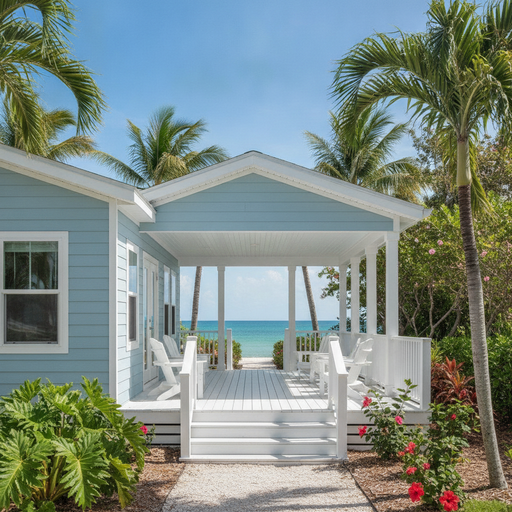
    In the context of coastal Florida, this evolution is even more dramatic. Manufacturers have embraced “Coastal Chic” aesthetics. We are talking about open-concept floor plans, nine-foot ceilings, quartz countertops, and massive floor-to-ceiling windows that invite the Florida sun inside. From the outside, many of these homes are indistinguishable from high-end custom builds, featuring HardiePlank siding, wraparound porches, and elegant metal roofs.

    Built for the Storm: Resilience in the Hurricane Zone

    The first question Sarah and Mark asked—and the first question any sane person asks about Florida—is: “What happens when a hurricane comes?” It is a valid concern, especially when living within a few miles of the Gulf or the Ocean.

    The reality is that modern manufactured homes in Florida are built to some of the highest wind-safety standards in the country. Coastal Florida falls under “Wind Zone III,” the highest rating. This means these homes are engineered to withstand winds exceeding 150 mph. They are anchored to the ground with sophisticated steel strapping systems that often make them more resilient than older, traditional masonry homes that haven’t been updated to modern building codes.

    During recent hurricane seasons, data from Florida’s housing authorities showed that manufactured homes built after 1994 performed remarkably well. For residents like Sarah and Mark, this provides a level of peace of mind that allows them to enjoy the coastal breeze without the constant fear of structural failure.

    The Resort Lifestyle: More Than Just a House

    One of the biggest draws of manufactured housing in coastal Florida is the community aspect. Many of these homes are located in “land-lease” communities that function more like five-star resorts thaeighborhoods. When you buy a manufactured home in a coastal community, you aren’t just buying a house; you are buying a lifestyle.

    • Amenities: Most communities feature heated swimming pools, pickleball courts (the unofficial sport of Florida), fitness centers, and elaborate clubhouses.
    • Social Coectivity: Because the homes are closer together and the communities are often age-qualified (55+), there is a built-in social network. Sarah and Mark found themselves invited to “Sunset Cocktails” on the community pier within three days of moving in.
    • Maintenance-Free Living: In many coastal parks, the lot rent covers lawn maintenance, trash removal, and gate security. This allows residents to spend more time at the beach and less time behind a lawnmower.

    The Economics of Coastal Living

    Let’s talk numbers, because that is where the manufactured housing argument becomes undeniable. In a market where a standard 1,500-square-foot home near the water might cost $700,000, a high-end manufactured home of the same size might cost between $150,000 and $250,000.

    This massive price gap allows homeowners to keep their capital for travel, healthcare, or simply enjoying the local Florida culinary scene. Furthermore, because these homes are built in a factory, the construction time is cut in half. While a site-built home might take a year or more to complete due to Florida’s frequent rain delays and labor shortages, a manufactured home can be ready for move-in within a few months.

    Property taxes are also generally lower, as you are often paying taxes on the structure itself while leasing the land, or paying a much lower assessment than you would for a multimillion-dollar waterfront lot.

    Environmental Efficiency and Sustainability

    Modern coastal Florida living also demands a focus on energy efficiency. The relentless sun can make cooling a home an expensive endeavor. Manufactured homes today are built with high-efficiency HVAC systems, dual-pane low-E windows, and superior insulation packages.

    Many builders are now focusing on “Green” certifications, ensuring that the homes have a minimal carbon footprint. For Sarah and Mark, this meant their monthly utility bills were significantly lower than they had been in their much smaller apartment back north. The factory-built process also produces significantly less waste than traditional construction sites, making it a more environmentally friendly choice for Florida’s delicate coastal ecosystems.

    Choosing the Right Location: From the Panhandle to the Keys

    Florida’s coast is diverse, and so are the manufactured housing options.

    • The Space Coast: Offers a blend of high-tech industry and laid-back beach vibes. Perfect for those who want to watch rocket launches from their front porch.
    • The Gulf Coast: Known for its white quartz sand and calm waters. This is the heart of the luxury manufactured housing market, with communities iaples and Sarasota that rival high-end subdivisions.
    • The Treasure Coast: Provides a more rugged, natural Florida feel with world-class fishing and diving options.

    Common Challenges and Considerations

    While the benefits are numerous, it is important to be realistic about the challenges. Financing a manufactured home can be different than a traditional mortgage. Buyers often use “chattel loans” if they are not purchasing the land beneath the home. Additionally, while the structures are highly wind-resistant, insurance premiums in Florida are rising across the board, and manufactured homes are not immune to these increases.

    It is also vital to do your homework on the community management. If you are leasing the land, you want to ensure the community has a stable history and a fair long-term lease agreement. Sarah and Mark spent weeks visiting different parks, talking to neighbors, and reading through community bylaws before they signed on the dotted line.

    Conclusion: A New Chapter in the Sunshine State

    The narrative of Florida real estate is shifting. We are moving away from a “mansion or nothing” mentality and toward a more flexible, lifestyle-oriented approach. Manufactured housing in coastal Florida is no longer a compromise; it is a strategic choice for those who value experiences over square footage and financial freedom over a massive mortgage.

    For Sarah and Mark, their new home near the water isn’t just a place to sleep. It’s the hub of their new life. They spend their mornings walking the shore, their afternoons by the community pool, and their evenings watching the sun dip below the horizon from their modern, resilient, and beautiful manufactured home. They found their paradise, and they didn’t have to break the bank to do it. As the Florida sun continues to shine, it’s clear that the future of the coast is factory-built, stylish, and accessible to everyone.
  • Investing in the Sunshine State: The Ultimate Guide to Mobile Home Park Ownership in Florida

    Investing in the Sunshine State: The Ultimate Guide to Mobile Home Park Ownership in Florida

    The Sun, The Sand, and The Steady Cash Flow

    Imagine sitting on a porch in Central Florida, the air thick with the scent of orange blossoms and the distant sound of a lawnmower humming. For many, this is the picture of a quiet retirement. But for a growing number of savvy investors, this scene represents something far more lucrative: a high-yield, recession-resistant asset class that is currently reshaping the real estate landscape of the Sunshine State.

    Mobile home parks (MHPs), once unfairly stigmatized, have emerged as the “darling” of the commercial real estate world. In Florida, where the population continues to swell and the demand for affordable housing has reached a fever pitch, owning a mobile home park isn’t just about collecting rent—it’s about owning a piece of the solution to a national housing crisis. However, entering this market requires more than just capital; it requires a deep understanding of Florida’s unique climate, its stringent legal landscape, and the specific needs of its diverse resident base.

    Why Florida? The Perfect Storm for Park Owners

    To understand why mobile home park ownership in Florida is so attractive, we have to look at the demographics. Florida is home to one of the largest concentrations of retirees in the United States. Thousands of “snowbirds” and permanent residents flock here every month seeking warmth and a lower cost of living. For a senior on a fixed income, a well-maintained manufactured housing community offers the perfect balance of independence, community, and affordability.

    But it’s not just seniors. Florida’s workforce—the people who keep the tourism, hospitality, and service industries ruing—increasingly find themselves priced out of traditional stick-built homes and luxury apartments. This creates a permanent, high-demand floor for mobile home park occupancy. When you own the land and the tenants own their homes, you create a “sticky” investment. It costs thousands of dollars to move a mobile home, meaning tenant turnover is significantly lower than in traditional apartments.

    The Business Model: Landlord vs. Community Leader

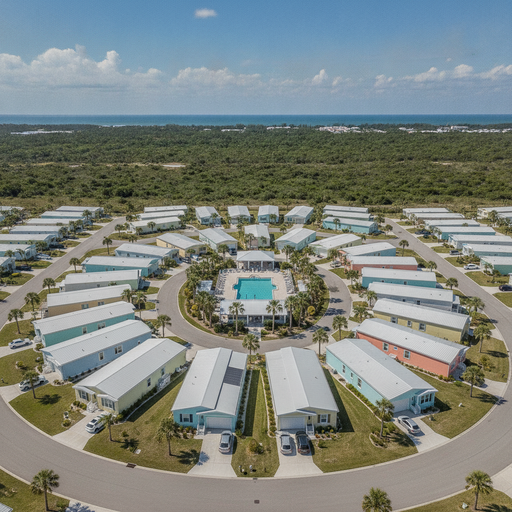
    Success in Florida mobile home park ownership often boils down to the “Lot Rent” model. Unlike a traditional landlord who is responsible for leaky faucets, broken toilets, and peeling wallpaper inside an apartment, a park owner typically owns the land, the infrastructure (roads, utility lines), and the amenities (clubhouses, pools). The residents own the individual homes and pay a monthly “lot rent” for the right to place their home on your land.

    This model shifts the burden of maintenance to the homeowner, resulting in lower operating expenses for the park owner. However, in Florida, the role is as much about community management as it is about property management. You are essentially the mayor of a small town. You manage the social dynamics, ensure the streetlights work, and maintain the aesthetic standards that keep property values high for everyone involved.

    Navigating the Legal Waters: Florida Statute 723

    If you are serious about mobile home park ownership in Florida, you must become intimately familiar with Florida Statute 723, also known as the “Mobile Home Act.” Florida has some of the most robust tenant protection laws in the country, designed to balance the power between park owners and residents.

    One of the most critical aspects of Statute 723 is the “Right of First Refusal.” If you decide to sell your park, you are often required to give the homeowners’ association (HOA) the opportunity to purchase the park themselves. Furthermore, rent increases must be handled with extreme care. You caot simply hike the rent overnight; you must provide proper notice and, in many cases, justify the increase based on market rent, taxes, or capital improvements. Navigating these regulations requires a steady hand and often a specialized attorney, but it also creates a structured environment that prevents the “Wild West” volatility seen in other states.

    The Infrastructure Challenge: Utilities and Environmental Factors

    When walking a potential property in Florida, your eyes shouldn’t just be on the palm trees; they should be on the ground. Infrastructure is where mobile home park deals are won or lost. Many older Florida parks were built on septic systems and private wells. As environmental regulations tighten, particularly near Florida’s fragile coastlines and springs, maintaining these systems can become a significant capital expenditure.

    The “Gold Standard” for investors is a park coected to municipal water and sewer. If you find a park where the tenants are individually metered for water and electricity, you have found a gem. This allows you to pass through utility costs directly to the users, protecting your bottom line from rising utility rates. Additionally, in Florida, you must account for the “Florida Department of Health” inspections, which monitor everything from water quality to the spacing between homes for fire safety.

    The Hurricane Factor: Risk Management in the Tropics

    We caot discuss Florida real estate without mentioning the weather. For a mobile home park owner, hurricanes represent the single greatest physical risk. While modern manufactured homes are built to rigorous HUD codes that can withstand significant wind speeds, older “pre-1976” homes are more vulnerable.

    Risk mitigation is key. This involves:

    • Aggressive Tree Trimming: Ensuring that old oaks and palms don’t become projectiles during a storm.
    • Comprehensive Insurance: Maintaining high-quality liability and property insurance, even if the premiums are rising across the state.
    • Disaster Preparedness: Having a clear communication plan for residents when a storm approaches, ensuring that the community knows evacuation routes and shut-off procedures for utilities.

    Smart owners factor these costs into their pro-forma from day one. In many ways, the “hurricane premium” acts as a barrier to entry, keeping out casual investors and rewarding those who are professional and prepared.

    The Future: Consolidation and Modernization

    The days of the “mom and pop” mobile home park are slowly fading in Florida. We are seeing a massive wave of consolidation as institutional investors and Real Estate Investment Trusts (REITs) realize the value of these assets. These larger entities are bringing professional management, digital payment systems, and significant capital for upgrades.

    For the individual investor, there is still plenty of opportunity, but the strategy is shifting toward “value-add.” This means taking an under-managed park, cleaning up the landscaping, paving the roads, filling vacant lots with new homes, and bringing the lot rents up to market rates. By improving the quality of the community, you aren’t just increasing your profit; you are creating a safer, more desirable place for people to live.

    Conclusion: A Rewarding Venture

    Owning a mobile home park in Florida is not “passive income” in the sense that you can set it and forget it. It is an active, living business that requires empathy, legal diligence, and technical savvy. However, for those willing to do the work, it offers a unique combination of high yield and the profound satisfaction of providing affordable housing in one of the most beautiful places on Earth.

    As you drive through a well-maintained Florida park, seeing neighbors chatting on their porches and children playing in the sun, you realize that this is more than just a real estate play. It is a vital part of the Florida dream, and as an owner, you are the steward of that dream.