Tag: Passive Income

  • Mastering the American Dream: A Guide to the Best Property Investment Strategies in the USA

    Mastering the American Dream: A Guide to the Best Property Investment Strategies in the USA

    The Changing Face of the American Dream

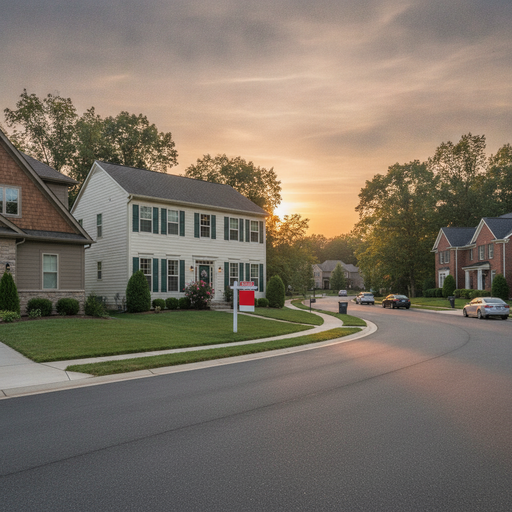
    Imagine for a moment that you are standing on a quiet street in a suburbaeighborhood in Raleigh, North Carolina. The sun is setting, painting the sky in hues of orange and purple. You look at a charming three-bedroom house with a neatly trimmed lawn. To most, this is just a home. But to a savvy investor, this is a vehicle for generational wealth. For decades, the “American Dream” was defined by owning a home to live in. Today, that dream has evolved. Now, it is about owning properties that work for you while you sleep.

    The United States remains one of the most attractive real estate markets in the world. Its vast geography, diverse economy, and legal transparency offer a playground for investors of all levels. However, the sheer size of the market can be overwhelming. From the high-rise condos of Miami to the multi-family units in the Midwest, where do you even begin? Investing in US property isn’t a “one-size-fits-all” endeavor; it’s a journey that requires a map, a compass, and a solid strategy.

    The Foundation: Why Invest in US Real Estate?

    Before we dive into the specific strategies, we need to understand why the US is such a magnet for capital. Unlike many countries, the US offers a unique combination of long-term capital appreciation and consistent cash flow. The legal system is incredibly investor-friendly, with clear title laws and a well-established banking system. Moreover, the US population continues to grow, and the demand for housing—whether for rent or for sale—remains chronically higher than the supply.

    Whether you are a local resident looking to secure your retirement or an international investor seeking a safe haven for your funds, the US property market provides a buffet of options. But to succeed, you need to move past the “buy and hope” mentality. You need a strategy that aligns with your financial goals, your risk tolerance, and the amount of time you can realistically commit.

    Strategy 1: The Classic Buy-and-Hold (The Marathon)

    Meet Sarah. Sarah works a demanding 9-to-5 job and doesn’t want a second career in construction or high-stakes trading. She chooses the Buy-and-Hold strategy. This is the bedrock of real estate investing. You purchase a residential property—typically a single-family home or a small apartment building—and lease it to long-term tenants.

    The beauty of this strategy lies in its simplicity and the “triple threat” of returns:

    • Cash Flow: The monthly rent covers the mortgage, taxes, and insurance, leaving a little extra in your pocket.
    • Appreciation: Over time, the value of the property generally increases. In 20 years, that $300,000 home might be worth $600,000.
    • Tax Benefits: The US tax code is very generous toward property owners, allowing for deductions on mortgage interest, property taxes, and depreciation.

    For Sarah, this is a passive way to build wealth. She hires a property management company to handle the “leaky toilets and tenant complaints,” allowing her to focus on her life while her equity grows.

    Strategy 2: The Fix-and-Flip (The Sprint)

    Now, let’s look at Mark. Mark has a keen eye for design and isn’t afraid to get his hands dirty—or at least manage a crew that does. He finds a “distressed” property—perhaps a house that has beeeglected for a decade or an estate sale that needs a modern touch. He buys it below market value, spends three months renovating it, and sells it for a significant profit.

    Fix-and-flipping is high-energy and high-reward. It requires a deep understanding of local market trends and renovation costs. If Mark underestimates the cost of a new roof or overestimates the final sale price, his profit margin can evaporate instantly. However, for those who get it right, it’s a way to generate a large amount of capital in a very short period. It’s not just about aesthetics; it’s about “forced appreciation”—creating value where there was none before.

    Strategy 3: The BRRRR Method (The Compounder)

    If Buy-and-Hold is a marathon and Flipping is a sprint, the BRRRR method is the ultimate endurance race that builds a massive portfolio quickly. BRRRR stands for: Buy, Rehab, Rent, Refinance, Repeat.

    Let’s follow Jason’s journey with BRRRR. He buys a fixer-upper with cash or a short-term loan (Buy). He renovates it to increase its value (Rehab). He then finds a reliable tenant to move in (Rent). Once the property is stabilized, he goes to a bank and gets a new long-term mortgage based on the property’s new, higher value (Refinance). He uses that refinanced cash to pay back his initial investment and buy his next property (Repeat).

    The magic of BRRRR is that, if done correctly, Jason can own a portfolio of properties with very little of his own money left in the deals. It’s a powerful way to scale an investment business from one house to twenty in just a few years.

    Strategy 4: Short-Term Rentals (The Hospitality Hustle)

    With the rise of platforms like Airbnb and Vrbo, a new strategy has emerged: Short-Term Rentals (STRs). Instead of renting a house to a family for a year, you rent it to travelers for a few nights at a time. This strategy is particularly effective in vacation hotspots like Orlando, Florida, or the mountains of Teessee.

    The potential for income is much higher with STRs. A house that might rent for $2,000 a month on a long-term lease could potentially generate $5,000 a month during peak tourist season. However, this is more of a hospitality business than a traditional real estate investment. You have to worry about cleaning, guest reviews, and changing local regulations. Many cities in the US are tightening rules on short-term rentals, so due diligence is vital.

    Strategy 5: Real Estate Investment Trusts (REITs) (The Hands-Off Approach)

    What if you want to invest in US real estate but you don’t want to deal with houses, tenants, or banks at all? This is where REITs come in. A REIT is a company that owns, operates, or finances income-producing real estate. They are traded on the stock market just like Apple or Amazon.

    By buying shares in a REIT, you are essentially becoming a fractional owner of a massive portfolio—it could be shopping malls, data centers, warehouses, or apartment complexes across the country. REITs are required by law to pay out at least 90% of their taxable income to shareholders as dividends. It is the ultimate “lazy” investment strategy, providing liquidity and diversification without the need for a large down payment.

    Navigating the 2024 Market Challenges

    The US market today is not the same as it was ten years ago. Interest rates have risen, and inventory is tight. Successful investors are shifting their focus to “secondary markets”—cities like Indianapolis, Kansas City, or Huntsville—where the cost of entry is lower and the “rent-to-price” ratio is more favorable than in expensive hubs like San Francisco or New York.

    Furthermore, technology is changing how we invest. From AI-driven property valuations to platforms that allow you to buy “fractions” of a rental property for as little as $100, the barriers to entry are falling. However, the fundamentals remain the same: Location, Cash Flow, and Patience.

    Conclusion: Choosing Your Path

    There is no “best” strategy in US property investment, only the best strategy for *you*. If you have capital but no time, REITs or managed Buy-and-Hold properties might be your path. If you have time and skills but limited capital, the BRRRR method or wholesaling could be your ticket to the top.

    The US real estate market is like a vast ocean. It can be intimidating, but for those who learn to navigate its currents, it offers incredible rewards. Start small, educate yourself, and remember that every real estate mogul started with their very first property. Whether it’s a small condo or a sprawling apartment complex, the most important step is simply to get started. Your future self, looking back at the portfolio you’ve built, will surely thank you.


  • The Hidden Gem of Florida Real Estate: Why Manufactured Homes in Palm Beach Are a Genius Investment

    The Hidden Gem of Florida Real Estate: Why Manufactured Homes in Palm Beach Are a Genius Investment

    The Palm Beach Paradox: High Style Meets Affordable Opportunities

    Picture this: the golden Florida sun is dipping below the horizon, painting the sky in hues of violet and orange. You are sitting on a breezy porch, sipping a cool drink, only minutes away from the world-class dining of Worth Avenue and the pristine Atlantic beaches. For most people, this dream comes with a multi-million dollar price tag that feels entirely out of reach. But what if I told you there was a “backdoor” into one of the most prestigious zip codes in the United States?

    Welcome to the world of manufactured home investing in Palm Beach. For decades, these properties were overlooked by serious investors, shrouded in outdated stigmas of the “trailer parks” of the 1970s. However, the landscape has shifted dramatically. Today, manufactured homes in Palm Beach County represent a sophisticated, high-yield opportunity that combines the lifestyle of the rich and famous with an entry point that actually makes financial sense. Whether you are looking for a high-performing rental property or a personal vacation retreat that pays for itself, it’s time to look at the Palm Beach market through a different lens.

    Shattering the Stigma: The Modern Manufactured Home

    Before we dive into the numbers, we need to address the elephant in the room. If you are imagining rusty metal boxes, you haven’t seen a modern manufactured home. Today’s units are built in climate-controlled factories under strict federal HUD codes. They feature granite countertops, stainless steel appliances, vaulted ceilings, and reinforced structures designed to withstand Florida’s hurricane seasons.

    In Palm Beach, many of these homes are located in manicured communities that feel more like resorts thaeighborhoods. Think heated swimming pools, pickleball courts, active clubhouses, and 24-hour security. When you invest in a manufactured home here, you aren’t just buying a structure; you are buying into a lifestyle that people from all over the world are willing to pay a premium for.

    The Investor’s Math: Why the Numbers Just Work

    Why are savvy investors suddenly flocking to this niche? It all comes down to the yield. In the world of traditional “sticks and bricks” real estate in Palm Beach, the barrier to entry is staggering. Even a modest condo can cost upwards of $400,000, and once you factor in high property taxes and astronomical HOA fees, your monthly cash flow often disappears.

    Manufactured homes operate on a different financial plane. You can often acquire a high-quality, pre-owned manufactured home in a desirable Palm Beach community for a fraction of the cost of a traditional home. Because your initial capital outlay is lower, your cash-on-cash return is significantly higher. In a market where long-term rentals are in high demand and short-term seasonal rentals can command thousands of dollars per week, the “math” of manufactured homes is hard to beat.

    • Lower Property Taxes: In many cases, if you don’t own the land (land-lease model), you pay a much lower personal property tax rather than traditional real estate taxes.
    • High Rental Demand: Florida is experiencing a massive influx of residents. Affordable housing is the scarcest commodity in the state, making your rental unit a hot commodity.
    • Maintenance Efficiency: Modern manufactured homes are often easier and cheaper to maintain than older traditional homes with aging foundations and complex structures.

    Land-Lease vs. Resident-Owned: Understanding Your Options

    When investing in Palm Beach, you will encounter two primary types of communities. Understanding the difference is crucial to your investment strategy.

    1. Land-Lease Communities

    In this scenario, you own the home, but you pay a monthly “lot rent” to the park owner. This fee typically covers trash pickup, lawn maintenance, and access to all community amenities. The advantage? A much lower purchase price. The disadvantage? You don’t benefit from the appreciation of the land itself. For many investors, the high monthly cash flow from rentals more than compensates for the lack of land ownership.

    2. Resident-Owned Communities (ROCs)

    Here, you own both the home and the land (or a share in the corporation that owns the land). These properties behave more like traditional real estate. They appreciate more aggressively and are easier to finance through traditional mortgages. While the entry price is higher, the long-term equity growth can be substantial in a high-demand area like Palm Beach.

    The “Silver Tsunami” and the 55+ Advantage

    Palm Beach is a magnet for retirees, a demographic trend often called the “Silver Tsunami.” Many of the best-manufactured home communities in the area are age-restricted (55+). For an investor, this is often a “cheat code” for success. Seniors are generally excellent tenants who take pride in their homes and stay for the long term. This demographic isn’t just looking for a place to live; they are looking for a community. If your investment property offers that sense of belonging, you will rarely face high turnover or vacancy rates.

    Key Locations to Watch in Palm Beach County

    Palm Beach County is massive, stretching from the glitz of the coast to the agricultural heartland. If you’re looking for the best investment spots, focus on these areas:

    • Boynton Beach & Delray Beach: These areas offer a perfect mix of “cool” factor and accessibility. Communities here are often just a short drive from Atlantic Avenue’s nightlife.
    • Jupiter & Palm Beach Gardens: Known for luxury and golf, manufactured homes here provide an affordable way to live near world-class amenities and “A-rated” infrastructure.
    • Lake Worth Beach: A more bohemian, artistic vibe where manufactured home communities are often hidden gems with a lot of character and proximity to the water.

    Navigating the Risks

    No investment is without risk. When looking at manufactured homes in Florida, you must do your due diligence regarding insurance and park rules. Ensuring the home is properly tied down to current hurricane standards is non-negotiable. Additionally, you must thoroughly vet the park management. A well-managed park protects your investment; a poorly managed one can diminish your property’s value. Always review the “Prospectus” of the park to understand how much they can raise the lot rent each year.

    Getting Started: Your Step-by-Step Plan

    If you are ready to jump in, don’t just buy the first home you see on the market. Follow these steps to ensure a profitable venture:

    Step 1: Define Your Strategy

    Are you looking for a “flip” (buying a dated unit, renovating it, and selling it) or a “buy and hold” for rental income? In Palm Beach, the rental market is particularly strong for renovated, “shabby-chic” units that appeal to the coastal aesthetic.

    Step 2: Secure Specialized Financing

    Traditional banks can be tricky with manufactured homes. Look for “chattel lenders” who specialize in these types of loans, or better yet, look for opportunities where you can pay cash to move quickly and negotiate a better price.

    Step 3: Network with Park Managers

    Often, the best deals never hit the MLS (Multiple Listing Service). Park managers often know who is looking to sell before a sign ever goes up in the yard. Building a relationship with them can give you an “insider” advantage.

    The Final Word

    Investing in Palm Beach manufactured homes isn’t just about finding a cheap house; it’s about identifying an undervalued asset in a high-value location. As the “Sunshine State” continues to grow and traditional housing prices reach the stratosphere, the demand for high-quality, affordable alternatives will only intensify. By moving past the old stereotypes and looking at the cold, hard numbers, you might just find that your best investment yet is a sun-drenched home with a modest footprint but a massive return.

    The secret is out, but the opportunity is still wide open. Palm Beach is calling—will you answer with a smart investment?

  • Riding the Blue Wave: A Strategic Guide to Florida Beachfront Investment Opportunities

    Riding the Blue Wave: A Strategic Guide to Florida Beachfront Investment Opportunities

    The Allure of the Shoreline: Why Florida is Calling

    Imagine waking up to the rhythmic sound of the Atlantic or the Gulf of Mexico gently lapping against the shore. You step out onto a sun-drenched balcony, coffee in hand, as the salt air fills your lungs. For many, this is the ultimate vacation dream. For the savvy investor, this is the sound of a lucrative opportunity. Florida’s beachfront real estate has long been the crown jewel of the American property market, and despite changing economic tides, the “Sunshine State” remains a powerhouse for those looking to build wealth through bricks, mortar, and sand.

    Investing in Florida isn’t just about owning a piece of paradise; it’s about tapping into a lifestyle that millions of people crave year-round. From the emerald green waters of the Panhandle to the sophisticated skyline of Miami, the diversity of the Florida coastline offers something for every type of investor. Whether you are looking for a high-turnover short-term rental or a long-term legacy property, the opportunities are as vast as the ocean itself. In this guide, we will explore why Florida continues to dominate the investment landscape and how you caavigate this blue wave to secure your financial future.

    The Sunshine State Advantage: More Than Just Good Weather

    While the 360 days of sunshine are a major draw, the financial incentives for investing in Florida are equally bright. Florida is one of the few states in the U.S. that does not impose a state income tax. For investors, this means keeping more of your rental income and capital gains in your own pocket. Furthermore, the state’s pro-business climate and consistent population growth provide a sturdy foundation for real estate appreciation.

    The demographic shift is impossible to ignore. Every day, hundreds of people move to Florida, seeking better weather, lower taxes, and a higher quality of life. This inward migration creates a “perpetual demand” cycle. When people move to Florida, they want to be near the water. Even those who move inland for work often look to the coast for their weekend getaways and vacations. This internal demand, coupled with Florida’s status as a top-tier global tourist destination, ensures that beachfront properties are rarely sitting empty.

    Identifying the Hotspots: Where the Best Opportunities Lie

    Florida’s coastline is vast, stretching over 1,350 miles. However, not all beachfront is created equal. To maximize your investment, you need to understand the distinct “personalities” of Florida’s coastal regions:

    1. The Emerald Coast (The Panhandle)

    Areas like Destin, 30A, and Panama City Beach have seen explosive growth. Known for their sugar-white sands and family-friendly atmosphere, these locations are short-term rental gold mines. The “30A” stretch, in particular, has become a high-end luxury brand in itself, attracting affluent vacationers from across the Southeast.

    2. The Cultural Coast (Sarasota and Siesta Key)

    Siesta Key has consistently been voted the #1 beach in the U.S. This region offers a blend of artistic culture and stuing natural beauty. Investors here often find success with a mix of seasonal snowbird rentals and high-end vacation stays. The barrier islands near Sarasota offer a more relaxed, upscale vibe that appeals to retirees and wealthy professionals.

    3. The Gold Coast (Miami and Fort Lauderdale)

    If you are looking for high-octane appreciation and luxury, the Southeast coast is the place to be. Miami and Fort Lauderdale are international hubs. While the entry price is higher, the potential for international rental demand is unparalleled. These areas are increasingly becoming “work-from-anywhere” hubs, attracting tech entrepreneurs and finance moguls who want a beachfront condo as their primary office.

    4. The Space Coast (Cocoa Beach and Melbourne)

    For those looking for more affordable entry points, the Space Coast offers great value. With the resurgence of the space industry (SpaceX, Blue Origin), there is a growing demand for both short-term and long-term housing. The beaches are beautiful, the surfing is world-class, and the price per square foot is often significantly lower than in South Florida.

    Short-Term vs. Long-Term: Choosing Your Investment Strategy

    When diving into Florida beachfront property, you must decide which “investment vehicle” suits your goals. Are you looking for monthly cash flow or long-term equity growth?

    • Short-Term Rentals (The Airbnb Model): Beachfront properties are the ultimate short-term rental assets. Travelers are willing to pay a massive premium to be “steps from the sand.” In high-traffic areas, a well-managed condo can gross significantly more than a traditional long-term lease. However, this requires active management and an understanding of local municipal ordinances, which can be strict regarding short-term stays.
    • Long-Term Rentals and Appreciation: If you prefer a “hands-off” approach, long-term rentals to locals or “snowbirds” (seasonal residents) can provide steady, predictable income. The real play here is appreciation. Historically, beachfront land is the most limited resource in Florida. As the population grows, the value of that “front-row seat” to the ocean only goes up.

    Navigating the Challenges: Insurance and Climate Resilience

    No investment is without risk, and in Florida, those risks are often tied to the environment. Any serious investor must account for the rising cost of property insurance. Due to hurricane risks, insurance premiums in Florida have increased significantly in recent years. It is vital to factor these costs into your ROI (Return on Investment) calculations from the very begiing.

    When scouting for property, look for “hardened” homes. Properties built with modern hurricane codes—impact-resistant windows, reinforced roofs, and elevated foundations—are not just safer; they are cheaper to insure. Additionally, pay close attention to the elevation and flood zones. Investing in a property that meets or exceeds the latest FEMA standards will protect your asset and its future resale value.

    The ROI of Experience: What Makes a Beachfront Property Stand Out?

    In the world of vacation rentals, you aren’t just selling a room; you are selling an experience. To ensure your Florida investment outperforms the market, consider the following amenities that drive higher booking rates:

    • Direct Beach Access: A property where guests can walk directly onto the sand without crossing a busy road will always command a 20-30% premium.
    • Sunset Views: On the Gulf Coast, a balcony facing west is a major selling point. People pay for the “golden hour.”
    • High-End Modern Finishes: Today’s travelers have high standards. Quartz countertops, smart home technology, and coastal-chic interior design are no longer optional—they are expected.
    • Resort-Style Amenities: If you are buying a condo, the building’s pool, gym, and security services play a massive role in your investment’s success.

    Conclusion: Setting Sail Toward Financial Freedom

    The window for Florida beachfront investment is always open, but the landscape is becoming increasingly competitive. As the world becomes more mobile and the “work-from-beach” trend solidifies, the demand for coastal property is likely to outpace supply for the foreseeable future. By choosing the right location, understanding the local regulations, and accounting for the unique environmental factors of the state, you can transform a piece of the Florida shoreline into a cornerstone of your investment portfolio.

    Whether you’re a seasoned real estate mogul or a first-time investor looking for a vacation home that pays for itself, Florida’s beachfront offers a unique combination of lifestyle and liquidity. It’s time to stop dreaming about the waves and start owning them. The sun is shining, the tide is in, and your Florida investment journey is just a shoreline away.