Tag: patio ideas

  • Transforming Your Ranch Home: Creative Backyard Landscaping Ideas for Modern Outdoor Living

    Transforming Your Ranch Home: Creative Backyard Landscaping Ideas for Modern Outdoor Living

    The Hidden Potential of the Classic Ranch Backyard

    There is something inherently nostalgic and comforting about a ranch-style home. With its long, low profile and sprawling footprint, the ranch house—or “rambler” as some call it—represents a golden era of American architecture. If you own one of these gems, you already know the best part: the seamless coection between the indoors and the outdoors. Unlike tall, narrow multi-story builds, a ranch home sits close to the earth, practically begging for a backyard that acts as an extension of the living room.

    I remember visiting a friend who had just purchased a 1960s ranch. At first glance, the backyard was a sea of patchy grass and a single, lonely concrete pad. It felt exposed and uninspired. But as we sat on the back steps, we started to see the “bones” of the property. The wide horizon of the house offered a perfect canvas for layering plants, creating distinct rooms, and building a sanctuary that felt private yet expansive. Whether you are working with a mid-century modern masterpiece or a simple suburban rambler, your backyard has the potential to become your favorite “room” in the house. Here is how we can bring that vision to life.

    Embracing the Horizontal Line: Layering Your Landscape

    The defining characteristic of a ranch home is its horizontal emphasis. To make your landscaping look intentional, you want to mimic and complement those long lines rather than fighting against them. Planting a row of tall, skiy trees right against the house can often make the building look shorter and out of proportion. Instead, think about “layering.”

    Start with low-growing ground covers near the foundation, move into mid-sized shrubs, and place your taller elements further back toward the property line. This creates a sense of depth that makes a small yard feel much larger. Ornamental grasses like Peisetum or Blue Fescue are fantastic for ranch homes because their airy texture softens the hard angles of the architecture without blocking the view from those iconic large windows.

    Creating “Outdoor Rooms” for Every Mood

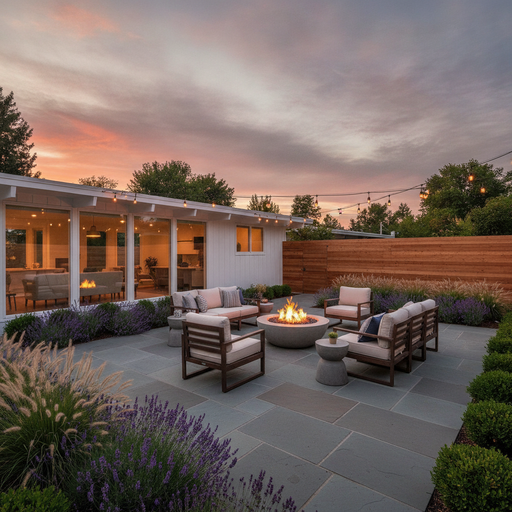
    Because ranch homes often have wide backyards, the space can sometimes feel like a giant, empty field. The secret to a cozy atmosphere is “zoning.” Think of your backyard as a floor plan without walls. You might have a “dining room” featuring a large farmhouse table on a stone patio, a “living room” centered around a fire pit, and perhaps a “quiet nook” tucked away under a pergola for morning coffee.

    • The Dining Zone: Position this closest to the kitchen or the sliding glass doors for easy access. Use oversized pavers with thyme or moss growing between them to create an earthy, lived-in feel.
    • The Fire Pit Hub: Move this further into the yard. A sunken fire pit works beautifully with the low-profile nature of a ranch home, providing a cozy gathering spot that doesn’t obstruct your view of the rest of the landscape.
    • The Recreation Zone: If you have kids or pets, leave a dedicated patch of lush turf in the center, framed by garden beds, to keep the space functional and organized.

    The Power of Hardscaping: Decks, Patios, and Pathways

    The traditional ranch home often came with a small concrete stoop. To truly transform the space, you need to think bigger. A wide, wrap-around wooden deck or a sprawling flagstone patio can bridge the gap between your interior floor level and the ground outside. This “leveling up” is crucial for that indoor-outdoor flow.

    If your ranch sits on a slight slope, consider multi-level terracing. Small stone retaining walls can create flat areas for planting or seating, adding architectural interest to an otherwise flat lot. For materials, stick to natural tones. Warm woods, slate, and pea gravel complement the earthy, grounded aesthetic of most ranch designs. Meandering pathways made of crushed stone or stepping stones can lead the eye—and the feet—through different parts of the garden, making a simple walk to the back fence feel like an exploration.

    Privacy Without the “Closed-In” Feel

    One challenge with ranch homes is that they are often built on large but open lots, leaving you feeling a bit exposed to the neighbors. However, a six-foot wooden privacy fence can sometimes feel like a fortress that clashes with the open vibe of a ranch. Instead, look to “living fences.”

    Strategic plantings of skip laurels, arborvitae, or even tall decorative grasses can provide a soft, green screen that blocks the wind and prying eyes while maintaining a natural look. If you prefer a structural element, consider a horizontal slat fence. The horizontal lines of the wood mimic the siding of the ranch home, creating a modern and cohesive look that feels sophisticated rather than restrictive.

    Plant Selection: Color, Texture, and Ease of Maintenance

    When choosing plants for a ranch backyard, I always recommend a mix of evergreen structure and seasonal color. Since many ranch homes feature large picture windows, you want your garden to look good even in the middle of winter. Evergreens like boxwoods or dwarf conifers provide that year-round “skeleton” for your garden.

    For a pop of personality, consider the following:

    • Hydrangeas: Their large, lush blooms add a touch of classic elegance and fill up space quickly along the foundation.
    • Lavender and Sage: These offer incredible scent and silvery-green foliage that pairs beautifully with the mid-century aesthetic.
    • Japanese Maples: A well-placed Japanese Maple can serve as a stuing focal point, offering delicate leaves and vibrant fall colors without growing so tall that it overshadows the house.
    • Native Wildflowers: If you want a lower-maintenance “meadow” look, dedicated patches of native blooms will attract pollinators and provide a changing tapestry of color throughout the year.

    Lighting: The Finishing Touch

    Don’t let your beautiful new landscape disappear when the sun goes down. Lighting is the “jewelry” of the backyard. Because ranch homes are long, you can use exterior lighting to highlight the texture of your home’s siding or stone accents. Path lights along your walkways ensure safety, while uplighting a few key trees creates a dramatic, high-end look. String lights (bistro lights) crisscrossing over a patio instantly add a festive, welcoming glow that invites you to stay outside just a little bit longer.

    Conclusion: Your Personal Oasis Awaits

    Landscaping a ranch home is all about balance. It is about respecting the original architecture while breathing new life into the earth around it. By focusing on horizontal lines, creating functional zones, and choosing a palette of plants that offer texture and color, you can transform a simple backyard into a sophisticated retreat.

    Remember, you don’t have to do it all at once. Start with a solid patio and a few foundation plants, then add a new “zone” or a winding path each season. Before you know it, you won’t just have a backyard; you’ll have a sanctuary that perfectly reflects the relaxed, grounded spirit of ranch living. So, grab a shovel, a cold drink, and start dreaming—your perfect ranch retreat is just a few plants away.
  • Transforming Your Ranch Home: Creative Backyard Landscaping Ideas for Modern Outdoor Living

    Transforming Your Ranch Home: Creative Backyard Landscaping Ideas for Modern Outdoor Living

    The Hidden Potential of the Classic Ranch Backyard

    There is something inherently nostalgic and comforting about a ranch-style home. With its long, low profile and sprawling footprint, the ranch house—or “rambler” as some call it—represents a golden era of American architecture. If you own one of these gems, you already know the best part: the seamless coection between the indoors and the outdoors. Unlike tall, narrow multi-story builds, a ranch home sits close to the earth, practically begging for a backyard that acts as an extension of the living room.

    I remember visiting a friend who had just purchased a 1960s ranch. At first glance, the backyard was a sea of patchy grass and a single, lonely concrete pad. It felt exposed and uninspired. But as we sat on the back steps, we started to see the “bones” of the property. The wide horizon of the house offered a perfect canvas for layering plants, creating distinct rooms, and building a sanctuary that felt private yet expansive. Whether you are working with a mid-century modern masterpiece or a simple suburban rambler, your backyard has the potential to become your favorite “room” in the house. Here is how we can bring that vision to life.

    Embracing the Horizontal Line: Layering Your Landscape

    The defining characteristic of a ranch home is its horizontal emphasis. To make your landscaping look intentional, you want to mimic and complement those long lines rather than fighting against them. Planting a row of tall, skiy trees right against the house can often make the building look shorter and out of proportion. Instead, think about “layering.”

    Start with low-growing ground covers near the foundation, move into mid-sized shrubs, and place your taller elements further back toward the property line. This creates a sense of depth that makes a small yard feel much larger. Ornamental grasses like Peisetum or Blue Fescue are fantastic for ranch homes because their airy texture softens the hard angles of the architecture without blocking the view from those iconic large windows.

    Creating “Outdoor Rooms” for Every Mood

    Because ranch homes often have wide backyards, the space can sometimes feel like a giant, empty field. The secret to a cozy atmosphere is “zoning.” Think of your backyard as a floor plan without walls. You might have a “dining room” featuring a large farmhouse table on a stone patio, a “living room” centered around a fire pit, and perhaps a “quiet nook” tucked away under a pergola for morning coffee.

    • The Dining Zone: Position this closest to the kitchen or the sliding glass doors for easy access. Use oversized pavers with thyme or moss growing between them to create an earthy, lived-in feel.
    • The Fire Pit Hub: Move this further into the yard. A sunken fire pit works beautifully with the low-profile nature of a ranch home, providing a cozy gathering spot that doesn’t obstruct your view of the rest of the landscape.
    • The Recreation Zone: If you have kids or pets, leave a dedicated patch of lush turf in the center, framed by garden beds, to keep the space functional and organized.

    The Power of Hardscaping: Decks, Patios, and Pathways

    The traditional ranch home often came with a small concrete stoop. To truly transform the space, you need to think bigger. A wide, wrap-around wooden deck or a sprawling flagstone patio can bridge the gap between your interior floor level and the ground outside. This “leveling up” is crucial for that indoor-outdoor flow.

    If your ranch sits on a slight slope, consider multi-level terracing. Small stone retaining walls can create flat areas for planting or seating, adding architectural interest to an otherwise flat lot. For materials, stick to natural tones. Warm woods, slate, and pea gravel complement the earthy, grounded aesthetic of most ranch designs. Meandering pathways made of crushed stone or stepping stones can lead the eye—and the feet—through different parts of the garden, making a simple walk to the back fence feel like an exploration.

    Privacy Without the “Closed-In” Feel

    One challenge with ranch homes is that they are often built on large but open lots, leaving you feeling a bit exposed to the neighbors. However, a six-foot wooden privacy fence can sometimes feel like a fortress that clashes with the open vibe of a ranch. Instead, look to “living fences.”

    Strategic plantings of skip laurels, arborvitae, or even tall decorative grasses can provide a soft, green screen that blocks the wind and prying eyes while maintaining a natural look. If you prefer a structural element, consider a horizontal slat fence. The horizontal lines of the wood mimic the siding of the ranch home, creating a modern and cohesive look that feels sophisticated rather than restrictive.

    Plant Selection: Color, Texture, and Ease of Maintenance

    When choosing plants for a ranch backyard, I always recommend a mix of evergreen structure and seasonal color. Since many ranch homes feature large picture windows, you want your garden to look good even in the middle of winter. Evergreens like boxwoods or dwarf conifers provide that year-round “skeleton” for your garden.

    For a pop of personality, consider the following:

    • Hydrangeas: Their large, lush blooms add a touch of classic elegance and fill up space quickly along the foundation.
    • Lavender and Sage: These offer incredible scent and silvery-green foliage that pairs beautifully with the mid-century aesthetic.
    • Japanese Maples: A well-placed Japanese Maple can serve as a stuing focal point, offering delicate leaves and vibrant fall colors without growing so tall that it overshadows the house.
    • Native Wildflowers: If you want a lower-maintenance “meadow” look, dedicated patches of native blooms will attract pollinators and provide a changing tapestry of color throughout the year.

    Lighting: The Finishing Touch

    Don’t let your beautiful new landscape disappear when the sun goes down. Lighting is the “jewelry” of the backyard. Because ranch homes are long, you can use exterior lighting to highlight the texture of your home’s siding or stone accents. Path lights along your walkways ensure safety, while uplighting a few key trees creates a dramatic, high-end look. String lights (bistro lights) crisscrossing over a patio instantly add a festive, welcoming glow that invites you to stay outside just a little bit longer.

    Conclusion: Your Personal Oasis Awaits

    Landscaping a ranch home is all about balance. It is about respecting the original architecture while breathing new life into the earth around it. By focusing on horizontal lines, creating functional zones, and choosing a palette of plants that offer texture and color, you can transform a simple backyard into a sophisticated retreat.

    Remember, you don’t have to do it all at once. Start with a solid patio and a few foundation plants, then add a new “zone” or a winding path each season. Before you know it, you won’t just have a backyard; you’ll have a sanctuary that perfectly reflects the relaxed, grounded spirit of ranch living. So, grab a shovel, a cold drink, and start dreaming—your perfect ranch retreat is just a few plants away.

  • From Sprawl to Sanctuary: Transforming Your Ranch Home into the Ultimate Outdoor Paradise

    From Sprawl to Sanctuary: Transforming Your Ranch Home into the Ultimate Outdoor Paradise

    The Magic of the Modern Ranch

    Imagine waking up on a Saturday morning, the sun barely peeking over the horizon, casting a soft golden glow across your bedroom. In a traditional multi-story house, you might have to navigate stairs and hallways before you catch a glimpse of the morning dew. But in a ranch-style home, the outdoors is never more than a few steps away. There is a unique, quiet magic in the horizontal silhouette of a ranch home—a design that naturally invites the landscape to become an extension of the living room.

    For decades, the ranch home has been a staple of American architecture, prized for its accessibility and open floor plans. However, the real potential of these homes often lies just beyond the back door. Because ranch homes sit low to the ground and typically occupy a wider footprint, they offer an unparalleled opportunity to create seamless transitions between indoor comfort and outdoor serenity. Today, we are going to explore how you can turn that sprawling backyard into a series of curated relaxation spaces that make every day feel like a vacation.

    The Art of the Seamless Transition

    The secret to a successful ranch home outdoor space is continuity. When you walk from your kitchen to your patio, it shouldn’t feel like you’re entering a different world; it should feel like you’ve simply opened a window to a larger version of your home. This is often achieved through the use of “threshold design.”

    Consider replacing standard swinging doors with wide, black-framed sliding glass doors or accordion-style folding doors. By doing this, you remove the physical and visual barriers between your interior and exterior. To take it a step further, many homeowners are now using the same flooring materials—such as slate tile or polished concrete—for both their indoor living area and the adjacent outdoor patio. This visual trick blurs the lines, making your home feel twice as large and infinitely more coected to nature.

    Creating Functional “Rooms” Without Walls

    One common mistake people make with large ranch backyards is leaving them as one giant, undifferentiated expanse of grass. To create true relaxation, you need to think in terms of “zones” or “outdoor rooms.” Just as your house has a kitchen, a bedroom, and a lounge, your outdoor space should have dedicated areas for different moods and activities.

    1. The Morning Nook

    Usually positioned just outside the master suite or the kitchen, the morning nook is a small, intimate space. A pair of comfortable bistro chairs, a small marble-topped table, and perhaps a few potted lavender plants are all you need. This is where you sip your first cup of coffee and listen to the birds before the rest of the world wakes up.

    2. The Sun-Drenched Lounge

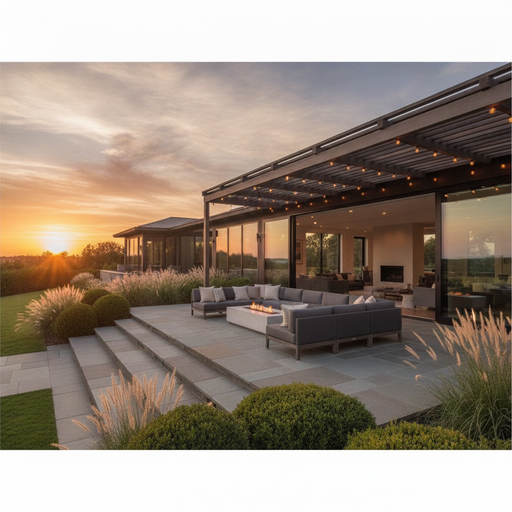
    Ranch homes often feature an L-shaped layout that creates a natural courtyard. This is the perfect spot for a central lounging area. Opt for low-profile modular sofas with deep, weather-resistant cushions ieutral tones. This keeps the sightlines clear, ensuring that the furniture doesn’t block the view of the rest of your garden. Add an oversized umbrella or a sleek pergola for those afternoons when the sun gets a bit too ambitious.

    3. The Al Fresco Culinary Hub

    If you love to entertain, an outdoor kitchen is a game-changer. For a ranch home, a linear kitchen setup built against the exterior wall works beautifully. It keeps plumbing and electrical lines close to the house while providing a station for grilling, prepping, and serving. Pair this with a long wooden harvest table under a canopy of string lights, and you have the perfect setting for summer dier parties that last long into the night.

    Landscaping for Privacy and Peace

    While the opeature of ranch living is a blessing, it can sometimes feel a bit exposed. Creating a sense of enclosure is vital for relaxation. You don’t need a ten-foot concrete wall to feel private; in fact, natural barriers are often more effective and much more beautiful.

    Consider using “softscaping” to define your boundaries. Tall ornamental grasses, such as Miscanthus or Feather Reed Grass, provide a shimmering, translucent screen that dances in the wind. For more solid privacy, a row of arborvitae or a well-manicured boxwood hedge can act as living walls. If you want a more modern look, horizontal wooden slat fences offer a contemporary “Zen” feel that complements the clean lines of ranch architecture perfectly.

    The Sensory Experience: Fire, Water, and Sound

    A true sanctuary engages all the senses. Once you have your furniture and layout settled, it’s time to add the elements that turn a “patio” into an “experience.”

    • Fire: A sunken fire pit is a classic choice for ranch homes. Because the house is low, a sunken pit maintains those precious sightlines while providing a cozy gathering spot. There is something primal and deeply relaxing about watching dancing flames as the temperature drops in the evening.
    • Water: The sound of trickling water is one of the most effective ways to mask neighborhood noise and induce a state of calm. A simple stone fountain or a modern “spillway” integrated into a retaining wall can transform the auditory environment of your backyard.
    • Scent: Don’t underestimate the power of aroma. Planting jasmine, honeysuckle, or rosemary near your seating areas ensures that every breeze carries a sweet, natural perfume.

    Lighting: Setting the Mood After Dark

    Your outdoor relaxation space shouldn’t disappear when the sun goes down. In fact, for many, the evening is when the backyard truly comes alive. The key to lighting a ranch home’s exterior is layering.

    Avoid harsh floodlights. Instead, use a mix of path lights to guide guests, uplighting on architectural trees to create drama, and warm string lights (Edison bulbs) draped over the dining area for a festive, cozy glow. If you have a deck, recessed LED lights in the stairs are both a safety feature and a beautiful design element that emphasizes the horizontal lines of your home.

    Conclusion: The Lifestyle You Deserve

    The beauty of a ranch home lies in its honesty and its coection to the earth. It doesn’t try to tower over the landscape; it sits comfortably within it. By investing in your outdoor relaxation spaces, you aren’t just increasing your property value—you are significantly enhancing your quality of life.

    Whether it’s the quiet solitude of a morning nook, the communal joy of a fire pit, or the simple luxury of a seamless transition from your living room to your garden, these spaces provide a much-needed retreat from the fast-paced digital world. Your ranch home is more than just a roof over your head; with a little creativity and plaing, it can become a sprawling, sun-soaked sanctuary that nourishes your soul every single day.