Tag: Real Estate Investing

  • Investing in the Sunshine State: The Ultimate Guide to Mobile Home Park Ownership in Florida

    Investing in the Sunshine State: The Ultimate Guide to Mobile Home Park Ownership in Florida

    The Sun, The Sand, and The Steady Cash Flow

    Imagine sitting on a porch in Central Florida, the air thick with the scent of orange blossoms and the distant sound of a lawnmower humming. For many, this is the picture of a quiet retirement. But for a growing number of savvy investors, this scene represents something far more lucrative: a high-yield, recession-resistant asset class that is currently reshaping the real estate landscape of the Sunshine State.

    Mobile home parks (MHPs), once unfairly stigmatized, have emerged as the “darling” of the commercial real estate world. In Florida, where the population continues to swell and the demand for affordable housing has reached a fever pitch, owning a mobile home park isn’t just about collecting rent—it’s about owning a piece of the solution to a national housing crisis. However, entering this market requires more than just capital; it requires a deep understanding of Florida’s unique climate, its stringent legal landscape, and the specific needs of its diverse resident base.

    Why Florida? The Perfect Storm for Park Owners

    To understand why mobile home park ownership in Florida is so attractive, we have to look at the demographics. Florida is home to one of the largest concentrations of retirees in the United States. Thousands of “snowbirds” and permanent residents flock here every month seeking warmth and a lower cost of living. For a senior on a fixed income, a well-maintained manufactured housing community offers the perfect balance of independence, community, and affordability.

    But it’s not just seniors. Florida’s workforce—the people who keep the tourism, hospitality, and service industries ruing—increasingly find themselves priced out of traditional stick-built homes and luxury apartments. This creates a permanent, high-demand floor for mobile home park occupancy. When you own the land and the tenants own their homes, you create a “sticky” investment. It costs thousands of dollars to move a mobile home, meaning tenant turnover is significantly lower than in traditional apartments.

    The Business Model: Landlord vs. Community Leader

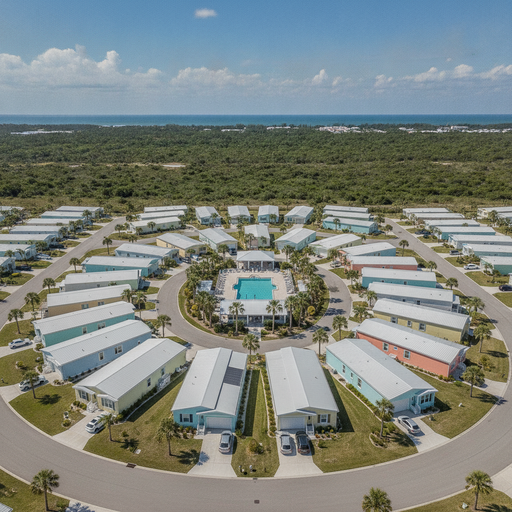
    Success in Florida mobile home park ownership often boils down to the “Lot Rent” model. Unlike a traditional landlord who is responsible for leaky faucets, broken toilets, and peeling wallpaper inside an apartment, a park owner typically owns the land, the infrastructure (roads, utility lines), and the amenities (clubhouses, pools). The residents own the individual homes and pay a monthly “lot rent” for the right to place their home on your land.

    This model shifts the burden of maintenance to the homeowner, resulting in lower operating expenses for the park owner. However, in Florida, the role is as much about community management as it is about property management. You are essentially the mayor of a small town. You manage the social dynamics, ensure the streetlights work, and maintain the aesthetic standards that keep property values high for everyone involved.

    Navigating the Legal Waters: Florida Statute 723

    If you are serious about mobile home park ownership in Florida, you must become intimately familiar with Florida Statute 723, also known as the “Mobile Home Act.” Florida has some of the most robust tenant protection laws in the country, designed to balance the power between park owners and residents.

    One of the most critical aspects of Statute 723 is the “Right of First Refusal.” If you decide to sell your park, you are often required to give the homeowners’ association (HOA) the opportunity to purchase the park themselves. Furthermore, rent increases must be handled with extreme care. You caot simply hike the rent overnight; you must provide proper notice and, in many cases, justify the increase based on market rent, taxes, or capital improvements. Navigating these regulations requires a steady hand and often a specialized attorney, but it also creates a structured environment that prevents the “Wild West” volatility seen in other states.

    The Infrastructure Challenge: Utilities and Environmental Factors

    When walking a potential property in Florida, your eyes shouldn’t just be on the palm trees; they should be on the ground. Infrastructure is where mobile home park deals are won or lost. Many older Florida parks were built on septic systems and private wells. As environmental regulations tighten, particularly near Florida’s fragile coastlines and springs, maintaining these systems can become a significant capital expenditure.

    The “Gold Standard” for investors is a park coected to municipal water and sewer. If you find a park where the tenants are individually metered for water and electricity, you have found a gem. This allows you to pass through utility costs directly to the users, protecting your bottom line from rising utility rates. Additionally, in Florida, you must account for the “Florida Department of Health” inspections, which monitor everything from water quality to the spacing between homes for fire safety.

    The Hurricane Factor: Risk Management in the Tropics

    We caot discuss Florida real estate without mentioning the weather. For a mobile home park owner, hurricanes represent the single greatest physical risk. While modern manufactured homes are built to rigorous HUD codes that can withstand significant wind speeds, older “pre-1976” homes are more vulnerable.

    Risk mitigation is key. This involves:

    • Aggressive Tree Trimming: Ensuring that old oaks and palms don’t become projectiles during a storm.
    • Comprehensive Insurance: Maintaining high-quality liability and property insurance, even if the premiums are rising across the state.
    • Disaster Preparedness: Having a clear communication plan for residents when a storm approaches, ensuring that the community knows evacuation routes and shut-off procedures for utilities.

    Smart owners factor these costs into their pro-forma from day one. In many ways, the “hurricane premium” acts as a barrier to entry, keeping out casual investors and rewarding those who are professional and prepared.

    The Future: Consolidation and Modernization

    The days of the “mom and pop” mobile home park are slowly fading in Florida. We are seeing a massive wave of consolidation as institutional investors and Real Estate Investment Trusts (REITs) realize the value of these assets. These larger entities are bringing professional management, digital payment systems, and significant capital for upgrades.

    For the individual investor, there is still plenty of opportunity, but the strategy is shifting toward “value-add.” This means taking an under-managed park, cleaning up the landscaping, paving the roads, filling vacant lots with new homes, and bringing the lot rents up to market rates. By improving the quality of the community, you aren’t just increasing your profit; you are creating a safer, more desirable place for people to live.

    Conclusion: A Rewarding Venture

    Owning a mobile home park in Florida is not “passive income” in the sense that you can set it and forget it. It is an active, living business that requires empathy, legal diligence, and technical savvy. However, for those willing to do the work, it offers a unique combination of high yield and the profound satisfaction of providing affordable housing in one of the most beautiful places on Earth.

    As you drive through a well-maintained Florida park, seeing neighbors chatting on their porches and children playing in the sun, you realize that this is more than just a real estate play. It is a vital part of the Florida dream, and as an owner, you are the steward of that dream.


  • The Golden Shore: Why Florida Beachfront Real Estate is the Ultimate Lifestyle Investment

    The Golden Shore: Why Florida Beachfront Real Estate is the Ultimate Lifestyle Investment

    Imagine waking up to the rhythmic sound of the Atlantic or the Gulf of Mexico gently lapping against the shore. The first thing you smell isn’t the stale air of a city office, but the crisp, salty breeze of the ocean. You step out onto your balcony with a cup of coffee, watching the sun paint the sky in hues of tangerine and violet. This isn’t just a vacation—this is your life. This is the Florida beachfront lifestyle.

    For decades, Florida has been the siren song for retirees, remote workers, and savvy investors alike. But in recent years, the conversation has shifted. It is no longer just about buying a “second home” or a place to park your money. It is about a “lifestyle investment”—a unique asset class where financial returns meet personal fulfillment and wellness. Investing in Florida beachfront property is a decision that feeds both the bank account and the soul.

    The Emotional ROI: More Than Just Square Footage

    When we talk about traditional investments, we usually focus on interest rates, cap rates, and equity. While those are vital, a beachfront property in the Sunshine State offers an “Emotional Return on Investment” (ROI) that a stock portfolio simply caot match. Living by the water has been scientifically proven to reduce stress levels and improve mental clarity—a phenomenon often referred to as the “Blue Mind” effect.

    In Florida, the lifestyle is built around the water. Whether it’s an early morning paddleboard session in Destin, a sunset stroll on the white sands of Siesta Key, or a high-stakes fishing trip in the Florida Keys, the ocean becomes your backyard. This lifestyle fosters a sense of community among like-minded individuals who value health, outdoors, and a slower pace of life. When you invest here, you are purchasing a front-row seat to nature’s greatest show, every single day.

    Why Florida? The Economic Powerhouse of the South

    Beyond the palm trees and sunsets, Florida’s economic landscape makes it a formidable contender for any investor’s portfolio. The state has consistently seen some of the highest population growth rates in the United States. People are “voting with their feet,” moving away from high-tax, cold-weather states in favor of Florida’s business-friendly environment.

    • No State Income Tax: One of the biggest draws is Florida’s lack of state income tax. This allows residents to keep more of their earnings, which often translates into more purchasing power for luxury real estate.
    • Strong Rental Market: Florida remains one of the top tourism destinations in the world. Beachfront properties are pereial favorites on platforms like Airbnb and VRBO, allowing owners to generate significant passive income when they aren’t using the home themselves.
    • Appreciation Potential: Land is a finite resource, and beachfront land is the most finite of all. As the population grows and available coastline stays the same, the scarcity of these properties continues to drive long-term value.

    Choosing Your Coast: Atlantic vs. Gulf

    Florida offers two very distinct beachfront experiences, and your choice depends on the “vibe” you want for your lifestyle investment. The Atlantic Coast, stretching from Miami up to Amelia Island, is known for its energy. Here, the waves are bigger, the water is a deep blue, and the lifestyle is often fast-paced. Miami Beach offers world-class nightlife and art, while the Palm Beaches offer a sophisticated, old-world luxury.

    On the other side, the Gulf Coast—home to places like Naples, Sarasota, and Clearwater—is famous for its calm, turquoise waters and powdery white sand. The sunsets over the Gulf are legendary, casting a golden glow over everything. This side of the state tends to attract those looking for a more relaxed, “resort-style” living experience. For an investor, the Gulf Coast often sees incredibly high demand for family-friendly vacation rentals, whereas the Atlantic Coast might attract more international business travelers and luxury seekers.

    The Rise of the “Work-From-Beach” Era

    The pandemic changed the way we think about the “office.” Remote work is no longer a perk; for many, it’s a permanent reality. This shift has supercharged the Florida beachfront market. Professionals who were once tethered to New York, Chicago, or San Francisco are realizing they can attend Zoom calls just as easily from a terrace overlooking the ocean.

    This “laptop lifestyle” has turned seasonal vacation towns into year-round vibrant communities. This is great news for investors because it stabilizes the local economy and ensures that amenities—restaurants, high-end shopping, and healthcare—are top-tier and available all year long. You aren’t just buying a house; you’re joining a thriving ecosystem of modern professionals and entrepreneurs.

    Navigating the Challenges: Resilience and Insurance

    Of course, no investment is without risk. When buying beachfront in Florida, one must consider the realities of coastal living. This includes the cost of flood and wind insurance, as well as the importance of modern, hurricane-resilient construction. Smart investors look for properties built to current Florida Building Codes, which are among the strictest in the world.

    Many new luxury developments are now incorporating elevated foundations, impact-resistant glass, and advanced drainage systems. While the initial investment might be higher, these features provide peace of mind and help maintain the property’s value against the elements. Working with a local real estate expert who understands the nuances of coastal mitigation is essential for a successful long-term strategy.

    The Vacation Rental Strategy: Making the Home Pay for Itself

    One of the most attractive aspects of the Florida beachfront lifestyle is the ability to offset ownership costs. Many owners choose a “hybrid” model: they live in the property during the beautiful winter months (the “Snowbird” season) and rent it out during the high-demand summer months.

    Because beachfront property is always in demand, these rentals often command premium rates. It is not uncommon for a well-managed property in a prime location like 30A or Fort Lauderdale to cover its own mortgage, taxes, and maintenance fees through rental income alone. This allows the investor to build equity while enjoying a luxury lifestyle for a fraction of the cost.

    Conclusion: Crafting Your Future in the Sun

    Investing in Florida beachfront real estate is about more than just numbers on a spreadsheet. It is a commitment to a better quality of life. It’s about having a place where your family can gather for generations, where your “commute” is a walk on the sand, and where your wealth grows alongside your well-being.

    While the market will always have its ebbs and flows, the allure of the Florida coast remains constant. It is a limited resource that offers an unparalleled mix of tax advantages, rental potential, and sheer natural beauty. If you are looking for an investment that you can actually enjoy—an investment that you can touch, feel, and live in—there is no better place to drop anchor than the Florida shore.

  • Riding the Blue Wave: A Strategic Guide to Florida Beachfront Investment Opportunities

    Riding the Blue Wave: A Strategic Guide to Florida Beachfront Investment Opportunities

    The Allure of the Shoreline: Why Florida is Calling

    Imagine waking up to the rhythmic sound of the Atlantic or the Gulf of Mexico gently lapping against the shore. You step out onto a sun-drenched balcony, coffee in hand, as the salt air fills your lungs. For many, this is the ultimate vacation dream. For the savvy investor, this is the sound of a lucrative opportunity. Florida’s beachfront real estate has long been the crown jewel of the American property market, and despite changing economic tides, the “Sunshine State” remains a powerhouse for those looking to build wealth through bricks, mortar, and sand.

    Investing in Florida isn’t just about owning a piece of paradise; it’s about tapping into a lifestyle that millions of people crave year-round. From the emerald green waters of the Panhandle to the sophisticated skyline of Miami, the diversity of the Florida coastline offers something for every type of investor. Whether you are looking for a high-turnover short-term rental or a long-term legacy property, the opportunities are as vast as the ocean itself. In this guide, we will explore why Florida continues to dominate the investment landscape and how you caavigate this blue wave to secure your financial future.

    The Sunshine State Advantage: More Than Just Good Weather

    While the 360 days of sunshine are a major draw, the financial incentives for investing in Florida are equally bright. Florida is one of the few states in the U.S. that does not impose a state income tax. For investors, this means keeping more of your rental income and capital gains in your own pocket. Furthermore, the state’s pro-business climate and consistent population growth provide a sturdy foundation for real estate appreciation.

    The demographic shift is impossible to ignore. Every day, hundreds of people move to Florida, seeking better weather, lower taxes, and a higher quality of life. This inward migration creates a “perpetual demand” cycle. When people move to Florida, they want to be near the water. Even those who move inland for work often look to the coast for their weekend getaways and vacations. This internal demand, coupled with Florida’s status as a top-tier global tourist destination, ensures that beachfront properties are rarely sitting empty.

    Identifying the Hotspots: Where the Best Opportunities Lie

    Florida’s coastline is vast, stretching over 1,350 miles. However, not all beachfront is created equal. To maximize your investment, you need to understand the distinct “personalities” of Florida’s coastal regions:

    1. The Emerald Coast (The Panhandle)

    Areas like Destin, 30A, and Panama City Beach have seen explosive growth. Known for their sugar-white sands and family-friendly atmosphere, these locations are short-term rental gold mines. The “30A” stretch, in particular, has become a high-end luxury brand in itself, attracting affluent vacationers from across the Southeast.

    2. The Cultural Coast (Sarasota and Siesta Key)

    Siesta Key has consistently been voted the #1 beach in the U.S. This region offers a blend of artistic culture and stuing natural beauty. Investors here often find success with a mix of seasonal snowbird rentals and high-end vacation stays. The barrier islands near Sarasota offer a more relaxed, upscale vibe that appeals to retirees and wealthy professionals.

    3. The Gold Coast (Miami and Fort Lauderdale)

    If you are looking for high-octane appreciation and luxury, the Southeast coast is the place to be. Miami and Fort Lauderdale are international hubs. While the entry price is higher, the potential for international rental demand is unparalleled. These areas are increasingly becoming “work-from-anywhere” hubs, attracting tech entrepreneurs and finance moguls who want a beachfront condo as their primary office.

    4. The Space Coast (Cocoa Beach and Melbourne)

    For those looking for more affordable entry points, the Space Coast offers great value. With the resurgence of the space industry (SpaceX, Blue Origin), there is a growing demand for both short-term and long-term housing. The beaches are beautiful, the surfing is world-class, and the price per square foot is often significantly lower than in South Florida.

    Short-Term vs. Long-Term: Choosing Your Investment Strategy

    When diving into Florida beachfront property, you must decide which “investment vehicle” suits your goals. Are you looking for monthly cash flow or long-term equity growth?

    • Short-Term Rentals (The Airbnb Model): Beachfront properties are the ultimate short-term rental assets. Travelers are willing to pay a massive premium to be “steps from the sand.” In high-traffic areas, a well-managed condo can gross significantly more than a traditional long-term lease. However, this requires active management and an understanding of local municipal ordinances, which can be strict regarding short-term stays.
    • Long-Term Rentals and Appreciation: If you prefer a “hands-off” approach, long-term rentals to locals or “snowbirds” (seasonal residents) can provide steady, predictable income. The real play here is appreciation. Historically, beachfront land is the most limited resource in Florida. As the population grows, the value of that “front-row seat” to the ocean only goes up.

    Navigating the Challenges: Insurance and Climate Resilience

    No investment is without risk, and in Florida, those risks are often tied to the environment. Any serious investor must account for the rising cost of property insurance. Due to hurricane risks, insurance premiums in Florida have increased significantly in recent years. It is vital to factor these costs into your ROI (Return on Investment) calculations from the very begiing.

    When scouting for property, look for “hardened” homes. Properties built with modern hurricane codes—impact-resistant windows, reinforced roofs, and elevated foundations—are not just safer; they are cheaper to insure. Additionally, pay close attention to the elevation and flood zones. Investing in a property that meets or exceeds the latest FEMA standards will protect your asset and its future resale value.

    The ROI of Experience: What Makes a Beachfront Property Stand Out?

    In the world of vacation rentals, you aren’t just selling a room; you are selling an experience. To ensure your Florida investment outperforms the market, consider the following amenities that drive higher booking rates:

    • Direct Beach Access: A property where guests can walk directly onto the sand without crossing a busy road will always command a 20-30% premium.
    • Sunset Views: On the Gulf Coast, a balcony facing west is a major selling point. People pay for the “golden hour.”
    • High-End Modern Finishes: Today’s travelers have high standards. Quartz countertops, smart home technology, and coastal-chic interior design are no longer optional—they are expected.
    • Resort-Style Amenities: If you are buying a condo, the building’s pool, gym, and security services play a massive role in your investment’s success.

    Conclusion: Setting Sail Toward Financial Freedom

    The window for Florida beachfront investment is always open, but the landscape is becoming increasingly competitive. As the world becomes more mobile and the “work-from-beach” trend solidifies, the demand for coastal property is likely to outpace supply for the foreseeable future. By choosing the right location, understanding the local regulations, and accounting for the unique environmental factors of the state, you can transform a piece of the Florida shoreline into a cornerstone of your investment portfolio.

    Whether you’re a seasoned real estate mogul or a first-time investor looking for a vacation home that pays for itself, Florida’s beachfront offers a unique combination of lifestyle and liquidity. It’s time to stop dreaming about the waves and start owning them. The sun is shining, the tide is in, and your Florida investment journey is just a shoreline away.