Tag: Sunshine State Living

  • The Sun-Drenched Dream: Why Modern Manufactured Home Living is Florida’s Best Kept Secret

    The Sun-Drenched Dream: Why Modern Manufactured Home Living is Florida’s Best Kept Secret

    The Golden Glow of the Sunshine State

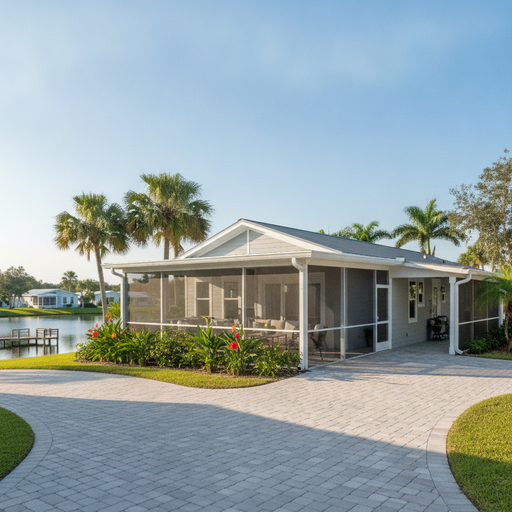
    Imagine waking up to the gentle rustle of palm fronds outside your window. The air is warm, smelling faintly of salt and blooming jasmine. You pour a cup of coffee and step out onto your wide, screened-in porch, watching the morning mist rise off a nearby lake. This isn’t a scene from a million-dollar beachfront villa; it is the everyday reality for thousands of people who have discovered the magic of manufactured home living in Florida.

    For decades, the “Florida Dream” was often synonymous with high-rise condos or sprawling suburban estates. But times are changing. As the cost of traditional real estate climbs toward the clouds, a new generation of homeowners—from active retirees to savvy young professionals—is turning toward manufactured homes. They aren’t just looking for a bargain; they are looking for a lifestyle that prioritizes community, comfort, and the freedom to enjoy everything the Sunshine State has to offer.

    Shattering the “Trailer Park” Myth

    If your mental image of a manufactured home is stuck in the 1970s, it’s time for an upgrade. Modern manufactured homes in Florida are a far cry from the “trailers” of old. Today’s homes are built in climate-controlled environments using high-quality materials and are subject to the federal HUD Code, which ensures rigorous standards for strength, durability, and fire safety.

    Walking into a contemporary Florida manufactured home, you might forget where you are. You’ll find open-concept floor plans, vaulted ceilings, gourmet kitchens with granite countertops, and luxury vinyl plank flooring. These homes are designed to withstand the Florida climate, featuring energy-efficient windows and reinforced structures that meet strict wind-zone requirements. The result is a home that looks, feels, and functions exactly like a site-built house, but at a fraction of the cost.

    The Community Factor: More Than Just a Neighborhood

    One of the most compelling aspects of the Florida manufactured home lifestyle is the sense of community. In Florida, many of these homes are located within land-lease communities or resident-owned cooperatives that function more like luxury resorts than traditional neighborhoods.

    In these communities, your neighbors aren’t just the people who live next door; they are your pickleball partners, your fellow swimmers, and your companions at the Friday night potluck. Most Florida communities offer a wealth of amenities, including:

    • Sparkling swimming pools and hot tubs
    • State-of-the-art fitness centers
    • Clubhouses with busy social calendars
    • Teis, shuffleboard, and pickleball courts
    • Private boat docks and fishing piers
    • Dog parks for your furry family members

    Living here means having a social life built right into your zip code. Whether you are moving to Florida to enjoy your golden years in a 55+ active adult community or looking for a family-friendly environment with plenty of space for kids to play, the community-centric model makes it easy to forge lasting friendships.

    Financial Freedom and the Florida Tax Advantage

    Let’s talk numbers. The primary driver for many choosing this lifestyle is the incredible value proposition. By choosing a manufactured home, you significantly lower your monthly housing expenses. In many Florida communities, you own the home but lease the land. This means you don’t have to worry about traditional property taxes on the land itself, and the “lot rent” usually covers amenities, lawn maintenance, and trash pickup.

    This financial flexibility opens up a world of possibilities. With the money saved on a massive mortgage, Florida residents can afford to travel more, dine out at the state’s world-class restaurants, or invest in that boat they’ve always wanted. Furthermore, Florida remains one of the few states with no state income tax, making it a haven for those looking to maximize their purchasing power.

    Embracing the Great Outdoors

    Florida isn’t just a place to live; it’s a place to explore. Manufactured home communities are strategically placed near some of the state’s most iconic attractions. From the white sandy beaches of the Gulf Coast to the mystical springs of Central Florida and the vibrant culture of the Atlantic side, you are never far from adventure.

    The lifestyle encourages an indoor-outdoor flow. Many residents add “Florida rooms” or expansive decks to their homes, creating the perfect space for entertaining under the stars. Because maintenance is often handled by the community management, you spend less time mowing the lawn and more time kayaking through mangroves, golfing on championship courses, or spotting manatees in the crystal-clear rivers.

    Customization: Making It Your Own

    Buying a manufactured home today doesn’t mean picking from a cookie-cutter catalog. Most manufacturers allow for significant customization. Want a double vanity in the master bath? You got it. Need a dedicated home office for your remote job? It can be designed into the floor plan. From the color of the siding to the style of the kitchen cabinets, these homes allow for a level of personal expression that is often unattainable in older, pre-existing site-built homes.

    Additionally, many residents take pride in their landscaping. In Florida, this means vibrant hibiscus, majestic palm trees, and lush greenery that creates a private tropical oasis right in your backyard. The pride of ownership in these communities is palpable, with well-manicured lawns and beautifully decorated porches lining every street.

    The Logistics of Making the Move

    If you’re considering the leap, the process is more straightforward than you might think. Florida has a robust market for both new and pre-owned manufactured homes. Specialized lenders understand the nuances of manufactured home financing, offering various options tailored to this specific market.

    When searching for the perfect spot, consider what matters most to you. Are you looking for the quiet, rural charm of the Ocala National Forest area? Or do you crave the coastal vibes of Sarasota or Fort Myers? Take the time to visit different communities, talk to the residents, and get a feel for the “vibe” of each park. Each one has its own unique personality.

    Conclusion: A Life Well Lived

    At the end of the day, manufactured home living in Florida is about more than just affordable housing—it’s about choosing a life of quality over quantity. It’s about trading a high-stress mortgage for a high-quality lifestyle. It’s about finding a place where the sun always shines, the neighbors always wave, and the next adventure is just a few miles down the road.

    Whether you are chasing the sunset in your retirement or building a foundation for your family, the modern manufactured home offers a path to the Florida lifestyle that is attainable, sustainable, and undeniably beautiful. Welcome home to the Sunshine State.
  • Riding the Wave: Why Florida Coastal Housing Demand Shows No Sign of Slowing Down

    Riding the Wave: Why Florida Coastal Housing Demand Shows No Sign of Slowing Down

    The Allure of the Sun-Drenched Horizon

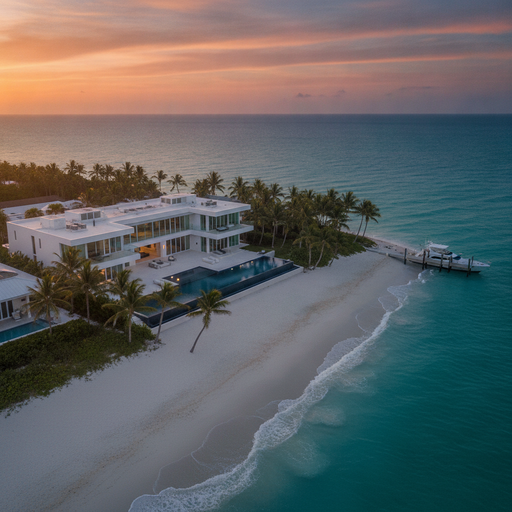
    Imagine waking up to the rhythmic sound of waves gently crashing against the shore, a warm salty breeze drifting through your window, and the promise of three hundred days of sunshine a year. For decades, this dream has acted as a powerful magnet, drawing thousands of people to the Florida coastline. But in recent years, what used to be a steady stream of retirees has turned into a massive tidal wave of migration. The demand for Florida coastal housing has reached unprecedented heights, transforming the state’s real estate landscape into one of the most dynamic—and complex—markets in the United States.

    Walking through the streets of coastal towns like Naples, Sarasota, or West Palm Beach today, you can feel the energy. New developments are rising, historic bungalows are being meticulously renovated, and “Sold” signs seem to appear almost as soon as a property hits the market. But what exactly is driving this insatiable hunger for a piece of the Sunshine State? To understand the current demand, we have to look beyond just the beautiful beaches and dive into the cultural, economic, and social shifts that have redefined where and how Americans want to live.

    The Great Migration: More Than Just Retirees

    For a long time, the narrative of Florida real estate was simple: people worked their entire lives in the North, retired, and moved to Florida to play golf. While that demographic remains a cornerstone of the market, the profile of the average buyer has shifted dramatically. The catalyst, as with many things in the modern era, was the global shift toward remote work. Suddenly, the “where” of a job became less important than the “where” of one’s life.

    Professionals in their 30s and 40s realized they no longer needed to endure grueling commutes iew York, Chicago, or San Francisco. If they could participate in a Zoom meeting from a home office overlooking the Gulf of Mexico, why wouldn’t they? This influx of younger, high-earning professionals has created a competitive environment for coastal properties that offer both luxury and coectivity. They aren’t just looking for a place to retire; they are looking for a place to raise families, build businesses, and enjoy an active lifestyle year-round.

    The Financial Incentive: A Tax Haven by the Sea

    While the lifestyle is a major draw, we caot overlook the cold, hard numbers. Florida remains one of the few states in the U.S. without a state income tax. For high-net-worth individuals and business owners moving from high-tax states like California or New Jersey, the savings are astronomical. In many cases, the money saved on state taxes alone is enough to cover a significant portion of a monthly mortgage on a premium coastal property.

    This financial “carrot” has spurred a corporate migration as well. As major financial firms and tech companies open offices in Miami and Tampa—often dubbed “Wall Street South” and “Silicon Bay”—they bring with them thousands of employees who need housing. This corporate backing provides a level of stability to the housing demand that wasn’t as prevalent in previous decades. It’s not just a speculative bubble; it’s an economic relocation.

    The Inventory Challenge: A Finite Supply of Paradise

    Basic economics tells us that when demand is high and supply is low, prices rise. In the context of Florida’s coast, supply is naturally limited by geography. There is only so much beachfront and “near-beach” land available. This scarcity has led to a fierce competition for available lots and existing homes.

    In many coastal communities, we are seeing a trend of “teardowns.” Buyers are purchasing older, smaller homes from the 1960s or 70s at premium prices, only to demolish them and build modern, storm-resistant luxury estates. This evolution of the housing stock is increasing property values across the board, but it also means that the entry point for living near the water is moving higher and higher. For the aspiring homeowner, the market requires quick decision-making and a solid financial strategy.

    Navigating the Storm: Resilience and Insurance

    It would be remiss to discuss Florida coastal housing without addressing the elephant in the room: the environment. Florida is on the front lines of climate change, facing threats from hurricanes and rising sea levels. However, rather than dampening demand, these challenges have sparked a revolution in building science and community plaing.

    Modern coastal homes in Florida are now built to some of the strictest building codes in the world. From impact-resistant windows that can withstand hurricane-force winds to elevated foundations and advanced drainage systems, the “new” Florida home is a fortress of engineering. Buyers are increasingly prioritizing these resilient features, viewing them not just as safety measures, but as essential protections for their investment.

    The insurance market, while currently facing its own set of challenges with rising premiums, is also a focal point of discussion. Despite the costs, the demand remains robust because, for many, the “lifestyle tax” of higher insurance is a price worth paying for the unparalleled quality of life that coastal Florida offers. People are choosing to adapt rather than retreat.

    The Micro-Markets: From Miami Glamour to Panhandle Peace

    The demand isn’t uniform across the state; Florida offers a diverse menu of coastal experiences.

    • Southeast Florida (Miami, Fort Lauderdale, Palm Beach): This region remains the piacle of luxury and international appeal. It’s high-energy, cosmopolitan, and features some of the most expensive real estate in the world.
    • The Gulf Coast (Naples, Sarasota, Tampa): Known for its calmer waters and spectacular sunsets, this area has seen an explosion in demand from families and those seeking a slightly more relaxed, yet sophisticated, lifestyle.
    • The Emerald Coast (Destin, 30A, Panama City Beach): The Florida Panhandle has transformed from a regional vacation spot into a national destination. The “30A” corridor, in particular, is seeing unprecedented demand for its New Urbanism design and white-sand beaches.
    • The Space Coast and First Coast (Melbourne, St. Augustine, Jacksonville): These areas offer a blend of history, aerospace iovation, and relatively more affordable coastal options compared to the southern hubs.

    Investment Potential: Short-Term Gains vs. Long-Term Wealth

    For investors, Florida’s coastal market offers a dual-threat advantage. On one hand, the short-term rental market (driven by platforms like Airbnb and VRBO) is incredibly lucrative. Florida remains one of the most visited places on Earth, and coastal vacation rentals often boast high occupancy rates and premium nightly prices.

    On the other hand, the long-term appreciation of coastal land in Florida has historically outpaced many other regions. As the state’s population continues to grow—adding roughly 1,000 people per day—the long-term value of limited coastal assets is widely viewed as a “safe bet” for wealth preservation. Investors are no longer just looking for a quick flip; they are looking to hold property in a state that is actively positioning itself as a future-forward economic powerhouse.

    Conclusion: The Future of the Florida Coast

    As we look toward the future, the demand for Florida coastal housing appears to be more than just a passing trend. It is the result of a fundamental shift in how people prioritize their environment, their finances, and their time. While challenges like insurance and inventory will continue to test the market’s resilience, the underlying draw of the Florida lifestyle remains a constant.

    Whether it’s the lure of the turquoise water, the freedom of a tax-friendly environment, or the security of a modern, storm-ready home, Florida’s coast continues to offer something that few other places can match. For those ready to ride the wave, the Sunshine State isn’t just a place to live—it’s a place to thrive. The horizon is bright, and for the Florida coastal real estate market, the tide is still very much coming in.