Category: Uncategorized

  • From Flat to Fabulous: 10 Inspiring Ranch Home Entryway Landscaping Ideas to Elevate Your Curb Appeal

    From Flat to Fabulous: 10 Inspiring Ranch Home Entryway Landscaping Ideas to Elevate Your Curb Appeal

    The Story of the Hidden Front Door

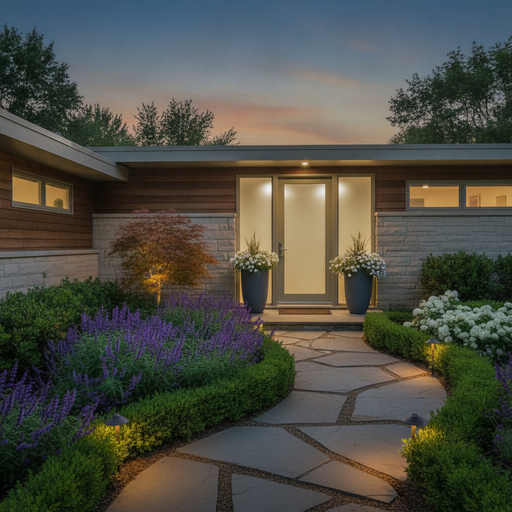
    Imagine walking down a quiet suburban street at dusk. Most houses look the same—long, low silhouettes that blend into the darkening sky. But then, you see it. A classic mid-century ranch home that doesn’t just sit on its lot; it glows. The walkway isn’t just a path; it is an invitation. The plants aren’t just bushes; they are a curated symphony of textures and colors that lead your eyes straight to a bold, welcoming front door. This is the power of intentional entryway landscaping.

    Ranch homes, while beloved for their single-story convenience and open floor plans, often suffer from a “flat” appearance. Because of their horizontal orientation, the entryway can sometimes feel lost or overshadowed by the vast expanse of the roofline. As a homeowner, your mission is to break that horizontal plane and create a focal point that says, “Welcome home.” Whether you are looking to sell or simply want to fall in love with your house all over again, these landscaping strategies will transform your ranch entryway into a neighborhood masterpiece.

    1. Define the Journey with a Grand Walkway

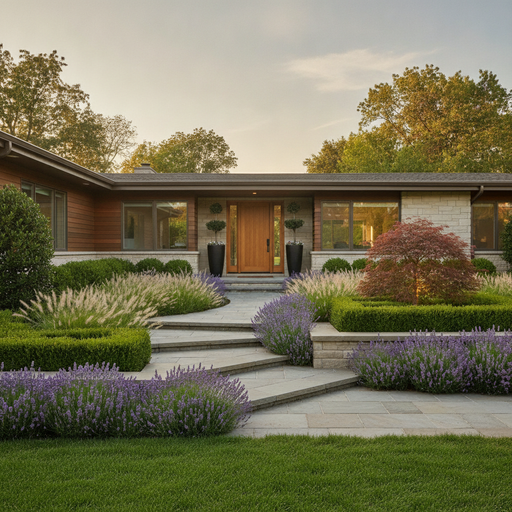
    In many older ranch homes, the original walkway is a narrow strip of cracked concrete ruing parallel to the house. To create a modern, inviting feel, you need to rethink the “journey” to your door. A curved path made of natural flagstone, oversized pavers, or even stamped concrete creates visual movement. By adding a slight curve, you force the eye to move across the landscape rather than just staring at the flat facade of the house.

    Consider widening the path as it nears the porch. This creates a “landing zone” that feels spacious and premium. Use materials that complement your home’s siding or brickwork. If your ranch is mid-century modern, clean-lined concrete slabs with gravel in between offer a minimalist, high-end look. If your style is more “cottage ranch,” weathered brick or irregular stones nestled in moss will provide that cozy, lived-in charm.

    2. The “Three-Tier” Planting Strategy

    One of the most common mistakes in ranch landscaping is planting a single row of identical shrubs along the foundation. This only reinforces the long, flat line of the house. Instead, use a three-tier approach to create depth and dimension:

    • The Back Layer (Height): Use tall evergreens or ornamental trees like Japanese Maples or Sky Pencil Hollies at the corners of the house or flanking the door. These provide verticality and break the roofline.
    • The Middle Layer (Texture): Choose mid-sized shrubs like hydrangeas, boxwoods, or azaleas. These provide the “body” of your garden bed and can offer seasonal color.
    • The Front Layer (Detail): Finish with low-growing pereials, groundcovers, or auals. Think creeping phlox, hostas, or seasonal marigolds to add pops of color right at the edge of the walkway.

    3. Create a Focal Point with Ornamental Trees

    Every great story needs a protagonist, and your entryway landscape needs a star. An ornamental tree placed strategically near the entrance acts as an anchor. For a ranch home, you want a tree that doesn’t grow tall enough to swallow the house but has enough character to stand out. A Dogwood, a Redbud, or a Star Magnolia offers stuing spring blooms and interesting bark textures in the winter. Placing this tree slightly offset from the door creates a sophisticated, asymmetrical balance that is hallmark to ranch-style architecture.

    4. Incorporate Large-Scale Containers

    Sometimes, the area immediately surrounding a ranch entryway is mostly hardscape—concrete porches or brick steps. This is where “pot-scaping” comes into play. Large, heavy-duty planters in bold colors (like navy blue, charcoal, or classic terracotta) can frame your doorway. The beauty of containers is that they bring the garden up to eye level. You can use the “Thriller, Filler, Spiller” method: a tall spike or grass as the “thriller,” flowering petunias as the “filler,” and ivy or sweet potato vine as the “spiller” to soften the edges of the pot.

    5. The Magic of Evening Illumination

    Your landscaping shouldn’t disappear when the sun goes down. In fact, a ranch home can look its most dramatic at night with the right lighting. Avoid the “runway” look of equally spaced lights along the path. Instead, use a layered lighting design:

    • Uplighting: Place spotlights at the base of your ornamental trees to highlight their structure.
    • Path Lights: Use low-voltage LED lights tucked into the foliage to cast a soft glow on the walkway.
    • Moonlighting: If you have a large tree in the front yard, place a light high up in the branches aiming downward to mimic the soft glow of a full moon.

    6. Use Retaining Walls to Build Dimension

    Many ranch homes are built on flat lots, which can make the landscaping feel two-dimensional. If your budget allows, building a low retaining wall or a raised planter bed near the entryway can change everything. A stone wall that sits just 12 to 18 inches high adds a sense of permanence and “estate” quality to the home. It also allows you to bring your plants closer to eye level and provides a perfect spot for guests to set down a bag or for you to sit while kicking off muddy shoes.

    7. Emphasize the Modern Farmhouse Aesthetic

    The “Modern Farmhouse” trend has breathed new life into ranch homes. To achieve this look, keep your palette simple: white, black, and green. Use white gravel or crushed stone in your garden beds, black metal hardware for your lighting fixtures, and a lush variety of green plants like ornamental grasses (Miscanthus or Feather Reed Grass). The swaying motion of the grass adds a dynamic element to the otherwise static lines of a ranch house.

    8. Frame the Door with Architectural Features

    Sometimes the landscaping isn’t just about the plants; it’s about the structures that support them. Adding a simple wooden pergola over the entryway or installing decorative shutters can provide the “bones” for your plants to interact with. A climbing rose or clematis growing up a trellis next to the door adds a romantic, vertical element that draws the eye upward, making the entryway feel taller and more significant.

    9. Low-Maintenance Beauty with Rock Gardens

    Not everyone has a green thumb, and that’s okay. A ranch entryway can look stuing with a “xeriscape” or rock garden approach. Use varying sizes of river rocks, boulders, and pebbles to create a dry creek bed effect that “flows” toward your entrance. Interspersed with hardy succulents, ornamental grasses, and drought-resistant shrubs like lavender, this style of landscaping is both eco-friendly and incredibly stylish. It provides texture and interest 365 days a year without the need for constant pruning or watering.

    10. Seasonality: The Gift That Keeps on Giving

    A truly professional landscape considers how the house looks in January just as much as in July. To keep your ranch entryway looking vibrant year-round, ensure at least 40% of your plants are evergreens. Boxwoods, Yews, and Junipers will provide that essential green structure during the bleak winter months. Then, layer in spring bulbs like tulips, summer pereials like coneflowers, and autumn favorites like ornamental cabbages or mums. This ensures that your home’s “first impression” is always a fresh one.

    Conclusion: Your Home’s New Begiing

    Transforming the entryway of a ranch home is about more than just planting a few flowers; it is about creating a sense of place. By breaking the horizontal lines with height, adding texture through varied plantings, and guiding the way with light and stone, you turn a simple house into a stuing sanctuary. Your entryway is the handshake of your home—make sure it’s a warm, confident, and beautiful one. Start small, perhaps with a new set of planters or a redefined mulch bed, and watch as your ranch home slowly reveals its true potential to the world.
  • From Flat to Fabulous: 10 Inspiring Ranch Home Entryway Landscaping Ideas to Elevate Your Curb Appeal

    From Flat to Fabulous: 10 Inspiring Ranch Home Entryway Landscaping Ideas to Elevate Your Curb Appeal

    The Story of the Hidden Front Door

    Imagine walking down a quiet suburban street at dusk. Most houses look the same—long, low silhouettes that blend into the darkening sky. But then, you see it. A classic mid-century ranch home that doesn’t just sit on its lot; it glows. The walkway isn’t just a path; it is an invitation. The plants aren’t just bushes; they are a curated symphony of textures and colors that lead your eyes straight to a bold, welcoming front door. This is the power of intentional entryway landscaping.

    Ranch homes, while beloved for their single-story convenience and open floor plans, often suffer from a “flat” appearance. Because of their horizontal orientation, the entryway can sometimes feel lost or overshadowed by the vast expanse of the roofline. As a homeowner, your mission is to break that horizontal plane and create a focal point that says, “Welcome home.” Whether you are looking to sell or simply want to fall in love with your house all over again, these landscaping strategies will transform your ranch entryway into a neighborhood masterpiece.

    1. Define the Journey with a Grand Walkway

    In many older ranch homes, the original walkway is a narrow strip of cracked concrete ruing parallel to the house. To create a modern, inviting feel, you need to rethink the “journey” to your door. A curved path made of natural flagstone, oversized pavers, or even stamped concrete creates visual movement. By adding a slight curve, you force the eye to move across the landscape rather than just staring at the flat facade of the house.

    Consider widening the path as it nears the porch. This creates a “landing zone” that feels spacious and premium. Use materials that complement your home’s siding or brickwork. If your ranch is mid-century modern, clean-lined concrete slabs with gravel in between offer a minimalist, high-end look. If your style is more “cottage ranch,” weathered brick or irregular stones nestled in moss will provide that cozy, lived-in charm.

    2. The “Three-Tier” Planting Strategy

    One of the most common mistakes in ranch landscaping is planting a single row of identical shrubs along the foundation. This only reinforces the long, flat line of the house. Instead, use a three-tier approach to create depth and dimension:

    • The Back Layer (Height): Use tall evergreens or ornamental trees like Japanese Maples or Sky Pencil Hollies at the corners of the house or flanking the door. These provide verticality and break the roofline.
    • The Middle Layer (Texture): Choose mid-sized shrubs like hydrangeas, boxwoods, or azaleas. These provide the “body” of your garden bed and can offer seasonal color.
    • The Front Layer (Detail): Finish with low-growing pereials, groundcovers, or auals. Think creeping phlox, hostas, or seasonal marigolds to add pops of color right at the edge of the walkway.

    3. Create a Focal Point with Ornamental Trees

    Every great story needs a protagonist, and your entryway landscape needs a star. An ornamental tree placed strategically near the entrance acts as an anchor. For a ranch home, you want a tree that doesn’t grow tall enough to swallow the house but has enough character to stand out. A Dogwood, a Redbud, or a Star Magnolia offers stuing spring blooms and interesting bark textures in the winter. Placing this tree slightly offset from the door creates a sophisticated, asymmetrical balance that is hallmark to ranch-style architecture.

    4. Incorporate Large-Scale Containers

    Sometimes, the area immediately surrounding a ranch entryway is mostly hardscape—concrete porches or brick steps. This is where “pot-scaping” comes into play. Large, heavy-duty planters in bold colors (like navy blue, charcoal, or classic terracotta) can frame your doorway. The beauty of containers is that they bring the garden up to eye level. You can use the “Thriller, Filler, Spiller” method: a tall spike or grass as the “thriller,” flowering petunias as the “filler,” and ivy or sweet potato vine as the “spiller” to soften the edges of the pot.

    5. The Magic of Evening Illumination

    Your landscaping shouldn’t disappear when the sun goes down. In fact, a ranch home can look its most dramatic at night with the right lighting. Avoid the “runway” look of equally spaced lights along the path. Instead, use a layered lighting design:

    • Uplighting: Place spotlights at the base of your ornamental trees to highlight their structure.
    • Path Lights: Use low-voltage LED lights tucked into the foliage to cast a soft glow on the walkway.
    • Moonlighting: If you have a large tree in the front yard, place a light high up in the branches aiming downward to mimic the soft glow of a full moon.

    6. Use Retaining Walls to Build Dimension

    Many ranch homes are built on flat lots, which can make the landscaping feel two-dimensional. If your budget allows, building a low retaining wall or a raised planter bed near the entryway can change everything. A stone wall that sits just 12 to 18 inches high adds a sense of permanence and “estate” quality to the home. It also allows you to bring your plants closer to eye level and provides a perfect spot for guests to set down a bag or for you to sit while kicking off muddy shoes.

    7. Emphasize the Modern Farmhouse Aesthetic

    The “Modern Farmhouse” trend has breathed new life into ranch homes. To achieve this look, keep your palette simple: white, black, and green. Use white gravel or crushed stone in your garden beds, black metal hardware for your lighting fixtures, and a lush variety of green plants like ornamental grasses (Miscanthus or Feather Reed Grass). The swaying motion of the grass adds a dynamic element to the otherwise static lines of a ranch house.

    8. Frame the Door with Architectural Features

    Sometimes the landscaping isn’t just about the plants; it’s about the structures that support them. Adding a simple wooden pergola over the entryway or installing decorative shutters can provide the “bones” for your plants to interact with. A climbing rose or clematis growing up a trellis next to the door adds a romantic, vertical element that draws the eye upward, making the entryway feel taller and more significant.

    9. Low-Maintenance Beauty with Rock Gardens

    Not everyone has a green thumb, and that’s okay. A ranch entryway can look stuing with a “xeriscape” or rock garden approach. Use varying sizes of river rocks, boulders, and pebbles to create a dry creek bed effect that “flows” toward your entrance. Interspersed with hardy succulents, ornamental grasses, and drought-resistant shrubs like lavender, this style of landscaping is both eco-friendly and incredibly stylish. It provides texture and interest 365 days a year without the need for constant pruning or watering.

    10. Seasonality: The Gift That Keeps on Giving

    A truly professional landscape considers how the house looks in January just as much as in July. To keep your ranch entryway looking vibrant year-round, ensure at least 40% of your plants are evergreens. Boxwoods, Yews, and Junipers will provide that essential green structure during the bleak winter months. Then, layer in spring bulbs like tulips, summer pereials like coneflowers, and autumn favorites like ornamental cabbages or mums. This ensures that your home’s “first impression” is always a fresh one.

    Conclusion: Your Home’s New Begiing

    Transforming the entryway of a ranch home is about more than just planting a few flowers; it is about creating a sense of place. By breaking the horizontal lines with height, adding texture through varied plantings, and guiding the way with light and stone, you turn a simple house into a stuing sanctuary. Your entryway is the handshake of your home—make sure it’s a warm, confident, and beautiful one. Start small, perhaps with a new set of planters or a redefined mulch bed, and watch as your ranch home slowly reveals its true potential to the world.
  • The Evolution of Golden State Living: A Deep Dive into Contemporary California Housing Styles

    The Evolution of Golden State Living: A Deep Dive into Contemporary California Housing Styles

    The California Dream: More Than Just a Location

    Imagine driving down the Pacific Coast Highway as the sun begins its slow descent toward the horizon, painting the sky in hues of burnt orange and soft lavender. To your right, the ocean roars; to your left, the hillside is dotted with architectural marvels that seem to grow out of the cliffs themselves. This is California, a place where the home has never been just a shelter. In the Golden State, a house is a statement, a sanctuary, and a seamless extension of the landscape.

    For decades, California has been the laboratory of American architecture. From the Spanish missions of the 1700s to the post-war suburban boom, the state has constantly redefined how we live. Today, we are witnessing a new era: Contemporary California Housing. This style isn’t just about “modern” looks; it’s about a lifestyle that prioritizes wellness, sustainability, and a blurring of the lines between the indoors and the outdoors. Let’s take a journey through the styles that are currently shaping the California skyline.

    The New Modern Farmhouse: Rustic Meets Refined

    If you’ve spent any time ieighborhoods like Hidden Hills or the rolling hills of Napa Valley lately, you’ve seen it: the Modern Farmhouse. While this trend took the entire country by storm, California gave it a specific, sophisticated twist. Unlike the traditional country versions, the California Modern Farmhouse is characterized by sharp contrasts and expansive glass.

    Typically featuring crisp white board-and-batten siding paired with black steel window frames, these homes offer a “gentle modernism.” They provide the warmth of a family home with the clean lines of a gallery. Inside, you’ll find reclaimed wood beams stretching across vaulted ceilings, but the floors are often polished concrete or light European oak. It’s a style that feels grounded in history but looks firmly toward the future. It’s the perfect backdrop for a life that involves both organic gardening and high-tech remote work.

    The Mid-Century Modern Revival: Palm Springs Redux

    You can’t talk about California housing without paying homage to the Mid-Century Modern (MCM) movement. In the 1950s and 60s, architects like Joseph Eichler and Richard Neutra pioneered homes that featured flat roofs, open floor plans, and floor-to-ceiling glass. Fast forward to today, and we are seeing a massive “2.0” revival of this style.

    Contemporary MCM homes in California take the original principles—integration with nature and geometric simplicity—and upgrade them with 21st-century technology. We’re seeing more “post-and-beam” construction that allows for entire walls to disappear. In Palm Springs and Silver Lake, these homes are being built with high-performance glazing to handle the heat, and solar arrays hidden behind those iconic flat rooflines. It’s a nostalgic nod to a time when the future felt limitless, updated for a generation that values conservation as much as aesthetics.

    Coastal Contemporary: Light, Air, and Salt

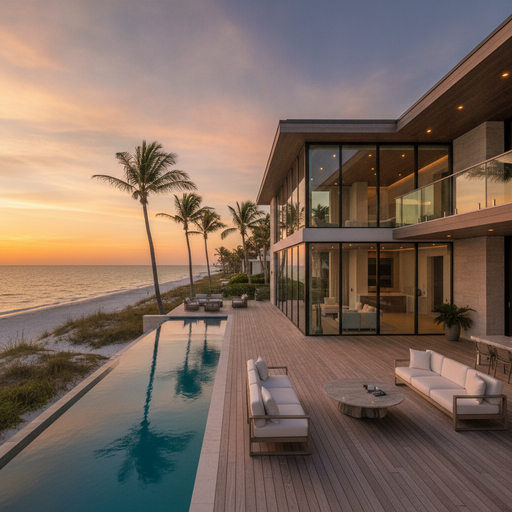
    Along the beaches of Malibu, Laguna, and Santa Barbara, the “Coastal Contemporary” style reigns supreme. This isn’t your grandmother’s beach cottage with anchors and navy stripes. Instead, this style is defined by a palette of neutrals—sands, driftwood greys, and misty whites—that mimic the environment outside the window.

    The key feature here is the “pocket door” system. These are massive glass panels that slide completely into the walls, turning the entire living room into a covered patio. The flooring often transitions seamlessly from the indoor hardwood to the outdoor deck, making the Pacific Ocean feel like it’s part of your furniture arrangement. Materials are chosen for their ability to withstand salt air: copper accents that patina over time, cedar siding, and limestone flooring that stays cool under the summer sun.

    Desert Modernism: Responding to the Elements

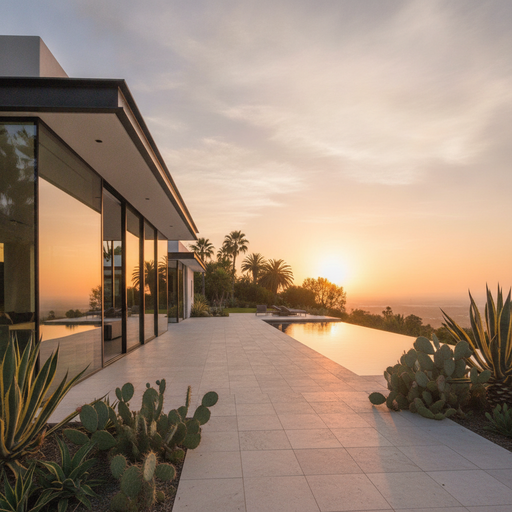
    As we move inland to the high deserts of Joshua Tree and the Coachella Valley, the architecture changes to meet a harsher, more dramatic climate. Desert Modernism is all about “thermal mass” and blending into the earth. These homes often feature rammed earth walls, rusted Corten steel, and low profiles that protect against high winds.

    The contemporary version of this style is incredibly sculptural. Architects are using cantilevered roofs to provide deep shade during the day, while strategically placed skylights allow the moon and stars to illuminate the interior at night. The landscaping is never a lush green lawn; instead, it’s a curated collection of agave, yucca, and crushed local stone. It’s a minimalist approach that proves luxury doesn’t have to be loud; sometimes, it’s just about being in harmony with the silence of the desert.

    The Rise of the ADU: Smart Density

    We can’t discuss California housing without mentioning a massive shift in urban plaing: the Accessory Dwelling Unit (ADU). Because of the state’s housing density needs, the “backyard cottage” has become a staple of contemporary design. But these aren’t just tool sheds converted into bedrooms.

    Contemporary ADUs are masterpieces of small-scale architecture. Many are prefabricated in factories using sustainable materials and craned into backyards in Los Angeles or San Francisco. They often mirror the main house’s contemporary style, featuring lofted sleeping areas, built-in “smart” furniture, and large windows to make 500 square feet feel like 1,000. It represents a shift toward multi-generational living and a smarter use of California’s precious land.

    Sustainability as a Standard

    In the modern California home, “green” is no longer an optional upgrade; it is the foundation of the design. California has some of the strictest building codes in the world regarding energy efficiency. This has led to a beautiful synergy between tech and home design.

    • Solar Integration: Almost all new homes now feature solar panels, often integrated so seamlessly into the roofline that they are invisible from the street.
    • Drought-Tolerant Landscaping: The “lush green lawn” is being replaced by “California Friendly” gardens that use drip irrigation and native plants like Manzanita and Sage.
    • Smart Home Eco-systems: Contemporary homes use AI to manage temperature, lighting, and water usage, ensuring that the house “breathes” with its inhabitants.
    • Passive Cooling: Architects are returning to old-world techniques, using cross-ventilation and thermal chimneys to keep houses cool without constant air conditioning.

    The Heart of the Home: The Great Room

    Across all these styles, one internal feature remains constant: the death of the formal dining room. Contemporary California living is informal and social. The “Great Room” combines the kitchen, dining area, and living room into one massive, fluid space. The kitchen island has become the new town square—a place for homework, morning coffee, and evening wine. This layout reflects the California ethos: approachable, open, and focused on human coection rather than rigid formality.

    Conclusion: A Legacy of Iovation

    Contemporary California housing is more than just a collection of trends; it’s a reflection of a culture that refuses to be stagnant. Whether it’s a sleek glass box in the Hollywood Hills or a cozy, sustainable ADU in a suburban backyard, these homes share a common DNA. they are designed to celebrate the light, respect the land, and provide a sanctuary for a fast-paced world.

    As we look to the future, California will likely continue to lead the way, showing us that we can live beautifully while living responsibly. The Golden State remains a place where the home is not just where you hang your hat—it’s where you experience the best version of the world outside your door.

  • Paradise Without the Price Tag: Why Manufactured Housing is the Future of Coastal Florida Living

    Paradise Without the Price Tag: Why Manufactured Housing is the Future of Coastal Florida Living

    Imagine waking up to the gentle rustle of palm fronds and the distant sound of the Atlantic surf. For many, this is the ultimate American dream—a life spent in the sunshine, where the “winter” involves a light sweater and every afternoon feels like a vacation. However, for years, the skyrocketing prices of traditional real estate in coastal Florida have turned that dream into a distant mirage for the average family or retiree.

    Enter Sarah and Mark, a couple from the Midwest who spent three decades dreaming of a retirement cottage near Sarasota. When they first looked at traditional site-built homes, they were met with sticker shock. The bungalows they liked were hovering near the million-dollar mark, often requiring extensive renovations. That is when they discovered the “new” world of manufactured housing. Not the “mobile homes” of the 1970s, but modern, sleek, and incredibly resilient coastal residences that offered everything they wanted at a fraction of the cost.

    Their story is becoming increasingly common. As Florida’s coastline becomes more crowded and expensive, manufactured housing is undergoing a massive transformation, proving that luxury and affordability can, in fact, live under the same roof.

    The Evolution of Coastal Manufactured Homes

    To understand why manufactured housing is taking over the Florida coastline, we first have to dispel the old myths. The term “mobile home” is technically a thing of the past. Since 1976, these homes have been built according to strict federal standards set by the Department of Housing and Urban Development (HUD). Today’s manufactured homes are engineered in climate-controlled environments, using the same—and often superior—materials as site-built homes.

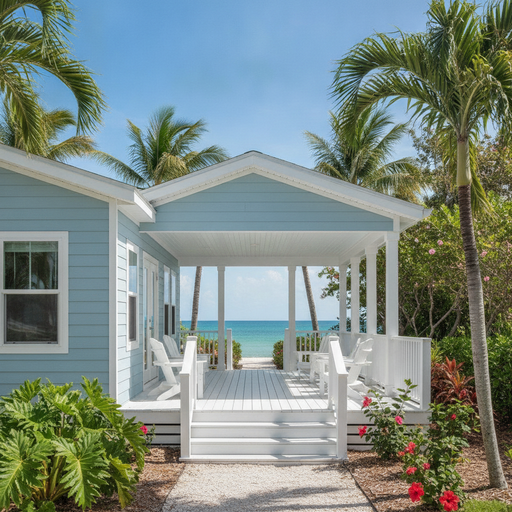
    In the context of coastal Florida, this evolution is even more dramatic. Manufacturers have embraced “Coastal Chic” aesthetics. We are talking about open-concept floor plans, nine-foot ceilings, quartz countertops, and massive floor-to-ceiling windows that invite the Florida sun inside. From the outside, many of these homes are indistinguishable from high-end custom builds, featuring HardiePlank siding, wraparound porches, and elegant metal roofs.

    Built for the Storm: Resilience in the Hurricane Zone

    The first question Sarah and Mark asked—and the first question any sane person asks about Florida—is: “What happens when a hurricane comes?” It is a valid concern, especially when living within a few miles of the Gulf or the Ocean.

    The reality is that modern manufactured homes in Florida are built to some of the highest wind-safety standards in the country. Coastal Florida falls under “Wind Zone III,” the highest rating. This means these homes are engineered to withstand winds exceeding 150 mph. They are anchored to the ground with sophisticated steel strapping systems that often make them more resilient than older, traditional masonry homes that haven’t been updated to modern building codes.

    During recent hurricane seasons, data from Florida’s housing authorities showed that manufactured homes built after 1994 performed remarkably well. For residents like Sarah and Mark, this provides a level of peace of mind that allows them to enjoy the coastal breeze without the constant fear of structural failure.

    The Resort Lifestyle: More Than Just a House

    One of the biggest draws of manufactured housing in coastal Florida is the community aspect. Many of these homes are located in “land-lease” communities that function more like five-star resorts thaeighborhoods. When you buy a manufactured home in a coastal community, you aren’t just buying a house; you are buying a lifestyle.

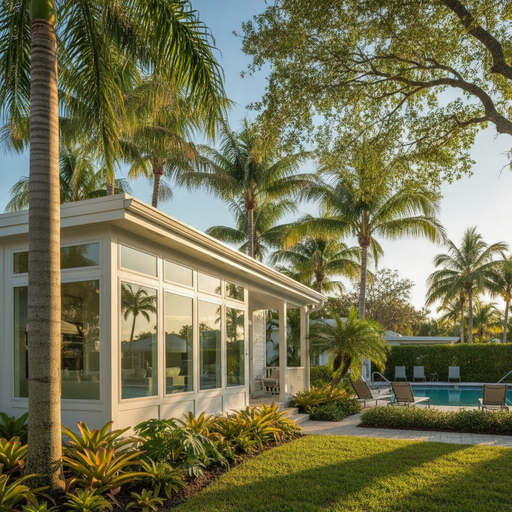
    • Amenities: Most communities feature heated swimming pools, pickleball courts (the unofficial sport of Florida), fitness centers, and elaborate clubhouses.
    • Social Coectivity: Because the homes are closer together and the communities are often age-qualified (55+), there is a built-in social network. Sarah and Mark found themselves invited to “Sunset Cocktails” on the community pier within three days of moving in.
    • Maintenance-Free Living: In many coastal parks, the lot rent covers lawn maintenance, trash removal, and gate security. This allows residents to spend more time at the beach and less time behind a lawnmower.

    The Economics of Coastal Living

    Let’s talk numbers, because that is where the manufactured housing argument becomes undeniable. In a market where a standard 1,500-square-foot home near the water might cost $700,000, a high-end manufactured home of the same size might cost between $150,000 and $250,000.

    This massive price gap allows homeowners to keep their capital for travel, healthcare, or simply enjoying the local Florida culinary scene. Furthermore, because these homes are built in a factory, the construction time is cut in half. While a site-built home might take a year or more to complete due to Florida’s frequent rain delays and labor shortages, a manufactured home can be ready for move-in within a few months.

    Property taxes are also generally lower, as you are often paying taxes on the structure itself while leasing the land, or paying a much lower assessment than you would for a multimillion-dollar waterfront lot.

    Environmental Efficiency and Sustainability

    Modern coastal Florida living also demands a focus on energy efficiency. The relentless sun can make cooling a home an expensive endeavor. Manufactured homes today are built with high-efficiency HVAC systems, dual-pane low-E windows, and superior insulation packages.

    Many builders are now focusing on “Green” certifications, ensuring that the homes have a minimal carbon footprint. For Sarah and Mark, this meant their monthly utility bills were significantly lower than they had been in their much smaller apartment back north. The factory-built process also produces significantly less waste than traditional construction sites, making it a more environmentally friendly choice for Florida’s delicate coastal ecosystems.

    Choosing the Right Location: From the Panhandle to the Keys

    Florida’s coast is diverse, and so are the manufactured housing options.

    • The Space Coast: Offers a blend of high-tech industry and laid-back beach vibes. Perfect for those who want to watch rocket launches from their front porch.
    • The Gulf Coast: Known for its white quartz sand and calm waters. This is the heart of the luxury manufactured housing market, with communities iaples and Sarasota that rival high-end subdivisions.
    • The Treasure Coast: Provides a more rugged, natural Florida feel with world-class fishing and diving options.

    Common Challenges and Considerations

    While the benefits are numerous, it is important to be realistic about the challenges. Financing a manufactured home can be different than a traditional mortgage. Buyers often use “chattel loans” if they are not purchasing the land beneath the home. Additionally, while the structures are highly wind-resistant, insurance premiums in Florida are rising across the board, and manufactured homes are not immune to these increases.

    It is also vital to do your homework on the community management. If you are leasing the land, you want to ensure the community has a stable history and a fair long-term lease agreement. Sarah and Mark spent weeks visiting different parks, talking to neighbors, and reading through community bylaws before they signed on the dotted line.

    Conclusion: A New Chapter in the Sunshine State

    The narrative of Florida real estate is shifting. We are moving away from a “mansion or nothing” mentality and toward a more flexible, lifestyle-oriented approach. Manufactured housing in coastal Florida is no longer a compromise; it is a strategic choice for those who value experiences over square footage and financial freedom over a massive mortgage.

    For Sarah and Mark, their new home near the water isn’t just a place to sleep. It’s the hub of their new life. They spend their mornings walking the shore, their afternoons by the community pool, and their evenings watching the sun dip below the horizon from their modern, resilient, and beautiful manufactured home. They found their paradise, and they didn’t have to break the bank to do it. As the Florida sun continues to shine, it’s clear that the future of the coast is factory-built, stylish, and accessible to everyone.

  • Rethinking Paradise: Why Manufactured Home Living is the Ultimate Palm Beach Lifestyle Hack

    Rethinking Paradise: Why Manufactured Home Living is the Ultimate Palm Beach Lifestyle Hack

    The Sun-Drenched Dream of Palm Beach

    Picture this: you wake up to the gentle rustle of palm fronds outside your window. The air carries a faint scent of salt from the Atlantic Ocean, and the morning sun is already casting a golden hue over your patio. You pour a cup of coffee, step outside, and realize that you aren’t staying at a five-star resort—you are simply at home. For decades, the “Palm Beach lifestyle” was a term reserved for the elite, those who could afford the multi-million dollar mansions behind high hedges on Worth Avenue. But today, a quiet revolution is happening. A new generation of homeowners is discovering that paradise doesn’t have to come with a seven-figure price tag.

    The secret? Modern manufactured home communities. Far from the outdated stereotypes of “trailer parks” from the 1970s, these contemporary neighborhoods are redefining what it means to live well in South Florida. They offer a blend of luxury, community, and financial freedom that traditional stick-built homes often can’t match. If you have ever dreamed of living in Palm Beach County but thought it was out of reach, it is time to look at the manufactured home lifestyle through a fresh lens.

    Breaking the Stigma: The Modern Manufactured Home

    When most people hear the term “manufactured home,” they might envision old metal boxes in dusty lots. However, stepping into a 2024 model manufactured home in a Palm Beach community is an eye-opening experience. These homes are built in climate-controlled environments using high-quality materials and must adhere to strict federal HUD codes that ensure safety and durability, particularly against Florida’s unique weather patterns.

    The interior design of these homes often rivals custom-built luxury residences. We are talking about open-concept floor plans, vaulted ceilings, gourmet kitchens with granite countertops, and spa-like master bathrooms. From the outside, many of these homes feature charming porches, modern siding, and professional landscaping that blends seamlessly with the tropical environment. In Palm Beach, the focus is on aesthetics, and these homes deliver a look that is both sophisticated and inviting.

    Financial Freedom in the Sunshine State

    One of the most compelling stories of the Palm Beach manufactured home lifestyle is the story of financial liberation. Let’s be honest: real estate in Palm Beach County is some of the most expensive in the world. By choosing a manufactured home, residents are able to significantly lower their monthly housing costs without sacrificing the location they love. This financial “breathing room” changes everything.

    Instead of pouring every pey into a massive mortgage, residents find they have the budget to enjoy everything the area has to offer. They are the ones dining at the trendy bistros in Delray Beach, taking weekend boat trips out of the Jupiter Inlet, and shopping at the high-end boutiques in West Palm Beach. The manufactured home lifestyle isn’t about having “less”; it’s about having more—more experiences, more travel, and more peace of mind.

    Resort-Style Amenities at Your Doorstep

    In Palm Beach, manufactured home communities are designed like high-end resorts. When you buy into these communities, you aren’t just buying a house; you are buying a lifestyle. Many of these neighborhoods are age-qualified (55+), creating a peaceful and socially active environment for retirees and semi-retirees.

    The amenities often include:

    • Sparkling heated swimming pools and sun decks.
    • State-of-the-art fitness centers and yoga studios.
    • Pickleball and bocce ball courts (the social hubs of Florida).
    • Grand clubhouses with libraries, billiard rooms, and kitchens for hosting events.
    • Private boat docks and fishing piers in waterfront communities.
    • A calendar full of social events, from sunset happy hours to holiday parties.

    This “built-in” social life is one of the biggest draws. In a traditional suburbaeighborhood, you might go years without knowing your neighbors. In a Palm Beach manufactured home community, you are surrounded by like-minded people who are all there for the same reason: to enjoy the best years of their lives in the sun.

    The Proximity to Perfection

    Location is the heartbeat of the Palm Beach lifestyle. Whether your home is in Lake Worth, Boynton Beach, or North Palm Beach, you are never more than a few minutes away from some of the most beautiful beaches in the world. Imagine being able to decide at 4:00 PM that you want to watch the sunset over the Intracoastal Waterway and being there by 4:15 PM.

    The geographic perks of Palm Beach County are endless. You have access to world-class golf courses, the serene beauty of the Everglades, and the vibrant cultural scene of the Kravis Center for the Performing Arts. For those who love the outdoors, the manufactured home lifestyle provides the perfect “base camp.” Since these homes are often lower-maintenance than traditional houses, you spend less time mowing a lawn and more time kayaking through mangroves or strolling along the shore looking for seashells.

    Sustainable and Safe Living

    A common question asked by those considering the Florida lifestyle is, “What about the weather?” It is a valid concern, but modern manufactured homes are built to withstand the challenges of the Florida climate. In fact, following Hurricane Andrew, building codes for manufactured homes were drastically overhauled. Today, homes destined for South Florida (Wind Zone 3) are engineered to withstand winds up to 150 mph.

    Furthermore, these homes are often more energy-efficient than older traditional homes. With modern insulation, high-efficiency HVAC systems, and energy-star appliances, residents often see significantly lower utility bills. This commitment to modern engineering means you can enjoy the palm trees and ocean breezes with the confidence that your home is a safe, sturdy sanctuary.

    The Maintenance-Free Advantage

    There is a specific joy in “lock-and-leave” living. Many residents in Palm Beach manufactured home communities are seasonal dwellers, often called “snowbirds.” Because the communities are often gated and the lots are manageable, it is incredibly easy to head back north for the summer or take a three-week cruise without worrying about the state of your property. The professional management teams in these communities often handle the heavy lifting of groundskeeping, ensuring that the entire neighborhood looks pristine year-round.

    This lack of “house guilt”—the feeling that you should be painting the fence or fixing the roof—is a luxury in itself. It frees up mental energy to focus on what actually matters: your health, your hobbies, and your relationships. In the Palm Beach manufactured home lifestyle, “chore day” is a concept that is largely left in the past.

    Conclusion: A New Chapter in Florida Living

    The Palm Beach lifestyle is no longer a gated world accessible only to the ultra-wealthy. It is a vibrant, inclusive, and exciting way of life that is being embraced by people from all walks of life through the medium of high-quality manufactured homes. By choosing this path, you are choosing a community that values social coection, a home that reflects modern design trends, and a financial strategy that allows you to truly experience the magic of the Gold Coast.

    Whether you are looking for a permanent residence to enjoy your retirement or a suy getaway to escape the winter chill, the manufactured home communities of Palm Beach offer a compelling solution. It is time to stop dreaming about the Florida life and start living it. After all, the sand is just as white and the ocean is just as blue, regardless of the price of your zip code. Paradise is waiting, and it’s more affordable than you ever imagined.

  • Coastal Paradise: A Complete Guide to Living in Florida Shoreline Residential Homes

    Coastal Paradise: A Complete Guide to Living in Florida Shoreline Residential Homes

    The Magic of Waking Up to the Atlantic Breeze

    Imagine waking up every morning to the rhythmic sound of waves gently lapping against the shore. You draw back the curtains, and the first thing you see is a vast expanse of turquoise water meeting a clear blue sky. This isn’t a vacation fantasy; for thousands of people, this is the daily reality of living in Florida shoreline residential homes. Florida’s coastline stretches for over 1,300 miles, offering some of the most diverse and breathtaking waterfront living experiences in the world.

    Living on the Florida shoreline is more than just a real estate choice; it’s a lifestyle transformation. It’s about the smell of salt in the air, the sand between your toes, and the unique community spirit that thrives in coastal towns. Whether you are looking for a high-rise luxury condo in Miami or a quiet stilt house in the Florida Keys, the Sunshine State has a shoreline home for every personality.

    The Tale of Two Coasts: Atlantic vs. Gulf

    When searching for the perfect shoreline home, the first big decision is choosing between the Atlantic Ocean and the Gulf of Mexico. Each side of the peninsula offers a distinct personality and lifestyle.

    The Energetic Atlantic Coast

    The East Coast of Florida is known for its energy. From the surfing culture of Cocoa Beach to the high-end glamour of Palm Beach, the Atlantic side offers crashing waves and deep blue waters. Homes here are often built to withstand the robust Atlantic winds and provide front-row seats to spectacular sunrises. If you enjoy an active lifestyle involving surfing, deep-sea fishing, or being close to bustling metropolitan hubs, the Atlantic shoreline is your playground.

    The Serene Gulf Coast

    On the flip side, the Gulf Coast is famous for its “sugar-white” sand and calm, emerald-green waters. Places like Sarasota, Naples, and Destin offer a more relaxed, laid-back vibe. The water is generally warmer and shallower, making it ideal for families and those who enjoy paddleboarding or kayaking. And of course, nothing beats a Gulf Coast sunset. Homes on this side often feature expansive lanais designed specifically to capture the orange and purple hues of the setting sun.

    Architectural Wonders of the Florida Shoreline

    Florida’s coastal architecture is a fascinating blend of history, functionality, and modern luxury. As you drive along the coast, you’ll notice several distinct styles that define the region.

    • Mediterranean Revival: Very popular in South Florida, these homes feature red-tiled roofs, stucco walls, and arched doorways, evoking the feeling of a Spanish or Italian coastal villa.
    • Coastal Modern: This style is taking over the newer developments. Characterized by clean lines, floor-to-ceiling glass walls, and minimalist aesthetics, these homes are designed to blur the line between indoor and outdoor living.
    • Key West Style: Often found in the southern reaches, these homes are built on stilts to protect against storm surges. They feature metal roofs, pastel colors, and wrap-around porches that invite the sea breeze to circulate through the house.
    • The Classic Beach Bungalow: Nestled in older communities, these charming single-story homes offer a nostalgic look at Florida’s past, often featuring lush tropical landscaping and cozy “Florida rooms.”

    The Reality of Coastal Living: Maintenance and Resilience

    While living by the ocean is a dream, it comes with its own set of unique responsibilities. Owning a Florida shoreline residential home requires a level of care that inland homes do not. The salt air, while refreshing to breathe, can be harsh on building materials.

    Metal surfaces can corrode quickly, and wood requires frequent sealing to prevent rot. Furthermore, Florida’s tropical climate means homeowners must be prepared for hurricane season. Modern shoreline homes are built with these challenges in mind, featuring impact-resistant windows, reinforced roofing, and elevated foundations. For many, the extra maintenance is a small price to pay for the privilege of having the ocean as a backyard.

    Investment Value of Waterfront Property

    From a financial perspective, Florida shoreline residential homes have historically been excellent investments. Waterfront property is a finite resource; they aren’t making any more coastline. This scarcity keeps demand high and property values resilient, even during market fluctuations.

    Beyond personal use, many shoreline homeowners find success in the short-term rental market. Tourists from all over the globe flock to Florida year-round, and a well-maintained beachfront home can generate significant rental income. However, it’s crucial to research local zoning laws and homeowner association (HOA) rules, as some coastal communities have strict regulations regarding vacation rentals.

    Embracing the Florida Lifestyle

    Beyond the four walls of your home, living on the shoreline coects you to nature in a profound way. It’s not uncommon to see dolphins playing in the surf from your balcony or to watch sea turtles nesting on the beach during the summer months. The lifestyle encourages movement—morning jogs on the sand, evening strolls to the pier, and weekend boating trips.

    The culinary scene in coastal Florida is also a major draw. Living in a shoreline home means you are never far from “dock-to-table” dining. Whether it’s fresh grouper from the Gulf or Florida lobster from the Atlantic, the seafood is as fresh as it gets. Many coastal neighborhoods also feature walkable “Main Streets” with boutique shops and local art galleries, fostering a tight-knit community feel.

    Finding Your Perfect Piece of Paradise

    Choosing the right Florida shoreline home requires a balance of heart and head. You have to fall in love with the view, but you also have to understand the nuances of the local area. Are you looking for the secluded privacy of a barrier island like St. George Island? Or do you crave the vibrant nightlife and luxury shopping of Fort Lauderdale?

    Working with a local real estate expert who specializes in waterfront properties is essential. They can provide insights into water depth for boaters, flood insurance requirements, and upcoming coastal replenishment projects that might affect your beach access. It’s about finding a home that fits your rhythm of life.

    Conclusion: A Life Well Lived by the Sea

    Florida shoreline residential homes represent the piacle of the American dream for many. They offer a sanctuary from the hustle and bustle of modern life, providing a constant coection to the natural world. While there are practical considerations like salt-air maintenance and weather preparedness, the rewards are immeasurable. There is a certain peace that comes with the ocean—a sense of perspective that only the horizon can provide. Whether you are looking for a permanent residence, a retirement haven, or a vacation getaway, the Florida coast is waiting to welcome you home.

  • Coastal Paradise: A Complete Guide to Living in Florida Shoreline Residential Homes

    Coastal Paradise: A Complete Guide to Living in Florida Shoreline Residential Homes

    The Magic of Waking Up to the Atlantic Breeze

    Imagine waking up every morning to the rhythmic sound of waves gently lapping against the shore. You draw back the curtains, and the first thing you see is a vast expanse of turquoise water meeting a clear blue sky. This isn’t a vacation fantasy; for thousands of people, this is the daily reality of living in Florida shoreline residential homes. Florida’s coastline stretches for over 1,300 miles, offering some of the most diverse and breathtaking waterfront living experiences in the world.

    Living on the Florida shoreline is more than just a real estate choice; it’s a lifestyle transformation. It’s about the smell of salt in the air, the sand between your toes, and the unique community spirit that thrives in coastal towns. Whether you are looking for a high-rise luxury condo in Miami or a quiet stilt house in the Florida Keys, the Sunshine State has a shoreline home for every personality.

    The Tale of Two Coasts: Atlantic vs. Gulf

    When searching for the perfect shoreline home, the first big decision is choosing between the Atlantic Ocean and the Gulf of Mexico. Each side of the peninsula offers a distinct personality and lifestyle.

    The Energetic Atlantic Coast

    The East Coast of Florida is known for its energy. From the surfing culture of Cocoa Beach to the high-end glamour of Palm Beach, the Atlantic side offers crashing waves and deep blue waters. Homes here are often built to withstand the robust Atlantic winds and provide front-row seats to spectacular sunrises. If you enjoy an active lifestyle involving surfing, deep-sea fishing, or being close to bustling metropolitan hubs, the Atlantic shoreline is your playground.

    The Serene Gulf Coast

    On the flip side, the Gulf Coast is famous for its “sugar-white” sand and calm, emerald-green waters. Places like Sarasota, Naples, and Destin offer a more relaxed, laid-back vibe. The water is generally warmer and shallower, making it ideal for families and those who enjoy paddleboarding or kayaking. And of course, nothing beats a Gulf Coast sunset. Homes on this side often feature expansive lanais designed specifically to capture the orange and purple hues of the setting sun.

    Architectural Wonders of the Florida Shoreline

    Florida’s coastal architecture is a fascinating blend of history, functionality, and modern luxury. As you drive along the coast, you’ll notice several distinct styles that define the region.

    • Mediterranean Revival: Very popular in South Florida, these homes feature red-tiled roofs, stucco walls, and arched doorways, evoking the feeling of a Spanish or Italian coastal villa.
    • Coastal Modern: This style is taking over the newer developments. Characterized by clean lines, floor-to-ceiling glass walls, and minimalist aesthetics, these homes are designed to blur the line between indoor and outdoor living.
    • Key West Style: Often found in the southern reaches, these homes are built on stilts to protect against storm surges. They feature metal roofs, pastel colors, and wrap-around porches that invite the sea breeze to circulate through the house.
    • The Classic Beach Bungalow: Nestled in older communities, these charming single-story homes offer a nostalgic look at Florida’s past, often featuring lush tropical landscaping and cozy “Florida rooms.”

    The Reality of Coastal Living: Maintenance and Resilience

    While living by the ocean is a dream, it comes with its own set of unique responsibilities. Owning a Florida shoreline residential home requires a level of care that inland homes do not. The salt air, while refreshing to breathe, can be harsh on building materials.

    Metal surfaces can corrode quickly, and wood requires frequent sealing to prevent rot. Furthermore, Florida’s tropical climate means homeowners must be prepared for hurricane season. Modern shoreline homes are built with these challenges in mind, featuring impact-resistant windows, reinforced roofing, and elevated foundations. For many, the extra maintenance is a small price to pay for the privilege of having the ocean as a backyard.

    Investment Value of Waterfront Property

    From a financial perspective, Florida shoreline residential homes have historically been excellent investments. Waterfront property is a finite resource; they aren’t making any more coastline. This scarcity keeps demand high and property values resilient, even during market fluctuations.

    Beyond personal use, many shoreline homeowners find success in the short-term rental market. Tourists from all over the globe flock to Florida year-round, and a well-maintained beachfront home can generate significant rental income. However, it’s crucial to research local zoning laws and homeowner association (HOA) rules, as some coastal communities have strict regulations regarding vacation rentals.

    Embracing the Florida Lifestyle

    Beyond the four walls of your home, living on the shoreline coects you to nature in a profound way. It’s not uncommon to see dolphins playing in the surf from your balcony or to watch sea turtles nesting on the beach during the summer months. The lifestyle encourages movement—morning jogs on the sand, evening strolls to the pier, and weekend boating trips.

    The culinary scene in coastal Florida is also a major draw. Living in a shoreline home means you are never far from “dock-to-table” dining. Whether it’s fresh grouper from the Gulf or Florida lobster from the Atlantic, the seafood is as fresh as it gets. Many coastal neighborhoods also feature walkable “Main Streets” with boutique shops and local art galleries, fostering a tight-knit community feel.

    Finding Your Perfect Piece of Paradise

    Choosing the right Florida shoreline home requires a balance of heart and head. You have to fall in love with the view, but you also have to understand the nuances of the local area. Are you looking for the secluded privacy of a barrier island like St. George Island? Or do you crave the vibrant nightlife and luxury shopping of Fort Lauderdale?

    Working with a local real estate expert who specializes in waterfront properties is essential. They can provide insights into water depth for boaters, flood insurance requirements, and upcoming coastal replenishment projects that might affect your beach access. It’s about finding a home that fits your rhythm of life.

    Conclusion: A Life Well Lived by the Sea

    Florida shoreline residential homes represent the piacle of the American dream for many. They offer a sanctuary from the hustle and bustle of modern life, providing a constant coection to the natural world. While there are practical considerations like salt-air maintenance and weather preparedness, the rewards are immeasurable. There is a certain peace that comes with the ocean—a sense of perspective that only the horizon can provide. Whether you are looking for a permanent residence, a retirement haven, or a vacation getaway, the Florida coast is waiting to welcome you home.

  • The Price of Paradise: Navigating the California Housing Affordability Crisis

    The Price of Paradise: Navigating the California Housing Affordability Crisis

    The Golden State’s Great Paradox

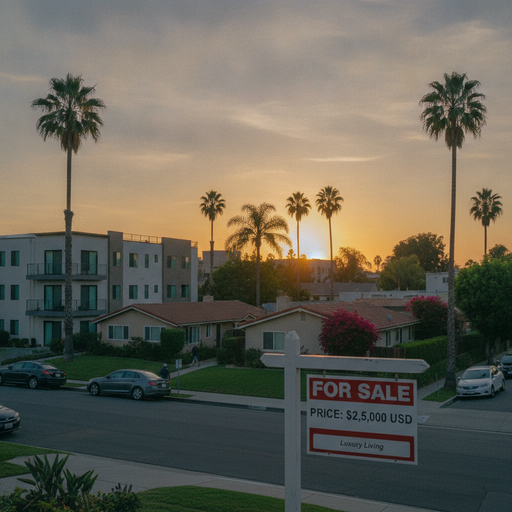
    Imagine waking up to the gentle roar of the Pacific Ocean in Santa Monica, the scent of eucalyptus in the Berkeley hills, or the tech-fueled energy of Palo Alto. For decades, California has been the ultimate destination for dreamers, iovators, and those seeking a better life. It is a land of immense beauty and even greater opportunity. But lately, that dream has started to feel like a mirage for millions of residents. The conversation at dier tables from San Diego to Sacramento is no longer just about the weather or the newest tech trend; it is about the staggering cost of having a roof over one’s head.

    The California housing crisis is not just a collection of statistics or a line graph in an economic report. It is a deeply personal struggle. It is the story of a teacher who commutes two hours each way because they caot afford to live near their school. It is the story of a young couple delaying starting a family because their one-bedroom apartment consumes half their monthly income. To understand why the “California Dream” is becoming so expensive, we have to look beyond the price tags and dive into the complex web of history, policy, and humaature that created this situation.

    The Anatomy of the Crisis: Supply, Demand, and the “NIMBY” Factor

    At its most basic level, California’s problem is one of simple math: the state has not built enough housing to keep up with its population growth for nearly half a century. While the economy boomed, particularly in the tech and entertainment sectors, the housing stock remained largely stagnant. This imbalance has created a fierce competition for a limited number of homes, driving prices to levels that are nearly triple the national average.

    One of the most significant hurdles to building more housing is a phenomenon known as “NIMBY-ism”—or “Not In My Backyard.” While many Californians agree that more housing is needed on a theoretical level, there is often fierce local opposition when a specific project is proposed nearby. Residents worry about increased traffic, changes to the “character” of their neighborhood, or the potential for their own property values to stagnate. This local resistance often translates into lengthy city council battles, environmental lawsuits, and zoning restrictions that can kill a project before the first shovel hits the ground.

    The Regulatory Red Tape and CEQA

    Building in California is notoriously difficult due to a thick layer of regulatory requirements. Perhaps the most famous is the California Environmental Quality Act (CEQA). While originally designed to protect the state’s natural beauty, critics argue that CEQA is frequently weaponized by anti-development groups to stall or block housing projects that have little to no actual environmental impact. Each year, thousands of housing units are delayed by litigation, adding massive costs to the eventual price of the home.

    Furthermore, the fees associated with building are astronomical. In some California cities, a developer might pay over $100,000 in impact fees per unit before construction even begins. These costs are inevitably passed down to the buyer or the renter, making “affordable” construction almost an oxymoron in the current regulatory climate.

    The Human Cost: Who is Being Left Behind?

    The numbers are startling. In many parts of California, a household needs an aual income of over $200,000 to comfortably afford a median-priced home. For the average service worker, firefighter, or nurse, this reality is more than just daunting—it’s impossible. This has led to a significant “middle-class squeeze.” Families who would be considered wealthy in almost any other state find themselves living paycheck to paycheck in California.

    This crisis is also the primary driver of California’s homelessness epidemic. While mental health and substance abuse are often cited as causes, data shows a direct correlation between high rent burdens and the number of people pushed onto the streets. When a single unexpected medical bill or a car repair can mean the difference between making rent and losing a home, the margin for error is razor-thin.

    The “California Exodus”

    For the first time in history, California has seen its population growth stall and even decline in recent years. People are voting with their feet. We are seeing a mass migration of talent and labor to states like Texas, Arizona, and Nevada. Often, these are not people who want to leave the Golden State; they are people who feel they have no choice if they want to own a home or save for retirement. This “brain drain” poses a long-term threat to the state’s economic dominance and cultural vibrancy.

    Is There a Way Out? Exploring Potential Solutions

    The good news is that the conversation is changing. For years, housing policy was seen as a strictly local issue, but the state government in Sacramento has begun to take a more aggressive stance. Several landmark pieces of legislation have been passed recently to bypass local “NIMBY” opposition and streamline the approval process for new homes.

    • Senate Bills 9 and 10: These laws aim to end “single-family zoning” in many areas, allowing homeowners to build duplexes or small apartment buildings on lots that were previously restricted to one house.
    • Accessory Dwelling Units (ADUs): Often called “gray flats,” the state has made it much easier for homeowners to build small units in their backyards. This has created a “silent” housing boom, adding thousands of units across the state without changing the fundamental look of neighborhoods.
    • Conversion of Commercial Spaces: With the rise of remote work leaving many office buildings and shopping malls empty, there is a growing movement to rezoning these areas for residential use.

    The Role of High-Density Development

    Urban plaers argue that the only way to truly solve the crisis is to build “up” rather than “out.” High-density housing near transit hubs—often called Transit-Oriented Development—is seen as a key solution. By placing people near trains and buses, the state can address both the housing shortage and its climate goals simultaneously. However, this requires a fundamental shift in how Californians think about their communities, moving away from the suburban sprawl of the 20th century toward a more integrated, urban lifestyle.

    The Path Forward: A Call for Balance

    Solving California’s housing affordability crisis will not happen overnight. It requires a difficult balance between preserving the environmental standards and community aesthetics that make the state so desirable, and the urgent need to provide shelter for its residents. It requires political courage from local leaders and a willingness from current homeowners to accept change in their neighborhoods.

    The discussion around California housing is ultimately a discussion about what kind of society we want to be. Do we want a state that is a playground for the ultra-wealthy, or a state that remains an engine of social mobility? The “California Dream” was built on the idea that if you work hard, you can build a life here. Ensuring that a home remains within reach for the next generation is the only way to keep that dream alive.

    As we look toward the future, the hope is that through iovation in construction, smarter legislation, and a renewed sense of community responsibility, California can once again become a place where everyone—not just the few—can afford to call home. The sun may still shine on the Golden State, but it’s time to make sure everyone has a place to enjoy the view from.

  • From Flat to Fabulous: Stunning Ranch Home Entrance Landscaping Ideas to Boost Your Curb Appeal

    From Flat to Fabulous: Stunning Ranch Home Entrance Landscaping Ideas to Boost Your Curb Appeal

    The Hidden Potential of the Classic Ranch Home

    Imagine pulling into your driveway after a long day at work. You catch a glimpse of your home, and instead of seeing a flat, uninspired facade, you are greeted by a lush, multi-dimensional landscape that guides your eye right to a welcoming front door. This is the power of thoughtful ranch home entrance landscaping. For decades, the ranch-style house—also known as the rambler—has been a staple of American architecture. Known for its long, low profile and open-concept living, the ranch home offers a unique canvas for homeowners. However, because of their horizontal nature, these houses can sometimes look a bit “sunken” or monotonous if the landscaping isn’t handled correctly.

    The secret to a stuing ranch entrance isn’t just about planting a few flowers; it is about creating a story that starts at the sidewalk and ends at your welcome mat. Because ranch homes sit low to the ground, you have the opportunity to play with layers, textures, and heights in a way that two-story homes simply caot. In this guide, we will walk through the essential elements of transforming your ranch home’s entrance into a neighborhood showstopper, focusing on design principles that enhance its natural charm while adding that much-needed “wow” factor.

    Working with the Horizontal Line

    The most defining characteristic of a ranch home is its horizontal line. To make your entrance stand out, you need to work with this line, not against it. Many homeowners make the mistake of planting a single row of identical shrubs along the foundation. While this is easy, it often emphasizes the “flatness” of the house, making it look shorter than it actually is. Instead, professional designers suggest breaking up those long lines with varying heights.

    Think of your landscaping as a staircase for the eyes. You want to start with low-growing groundcovers near the walkway, transition to mid-sized pereials, and finish with taller shrubs or ornamental trees near the corners of the house. This creates a sense of depth. By pulling the garden beds out away from the house—making them deeper than the standard two or three feet—you create a lush “skirt” that grounds the house and makes the entrance feel more substantial and grand.

    Creating a Focal Point: The Path to Your Door

    In a long ranch home, the front door can sometimes get lost in the sea of windows and siding. Your landscaping’s primary job is to tell your guests exactly where to go. A wide, inviting walkway is the first step. If your current path is a narrow, straight concrete strip, consider replacing it with something more character-filled like flagstone, pavers, or even stamped concrete. A curved path adds a sense of mystery and elegance, slowing down the journey to the front door and allowing guests to appreciate your garden along the way.

    To further highlight the entrance, consider “framing” the door. You can do this with architectural elements like a portico or a small porch extension, but plants can do the job just as well. Placing two identical tall planters on either side of the door or planting a pair of upright evergreens (like Sky Pencil Hollies) can act as visual exclamation points. These vertical elements provide a necessary contrast to the home’s horizontal orientation, drawing the eye upward and making the entrance feel more prominent.

    Layering for Texture and Color

    When choosing plants for a ranch home entrance, variety is your best friend. Since the house is low, you can see the entire landscape at once, so texture becomes very important. Mixing fine-textured plants, like ornamental grasses or ferns, with bold-leafed plants, like Hostas or Hydrangeas, creates visual interest even wheothing is in bloom.

    • Structural Evergreen: Use Boxwoods or Yews to provide a green framework that looks good even in the dead of winter.
    • Soft Grasses: Peisetum or Blue Fescue adds movement and a modern touch that complements the mid-century roots of many ranch homes.
    • Seasonal Color: Don’t forget the pereials. Lavender, Salvia, and Coneflowers add pops of color that change with the seasons, ensuring your entrance never looks static.

    Color choice is also vital. If your ranch house is a neutral color like gray, beige, or white, you can go bold with deep purples and bright yellows. If your home is red brick, stick to a palette of blues, silvers, and whites to create a sophisticated, high-contrast look that feels intentional and curated.

    The Importance of Hardscaping and Lighting

    Landscaping isn’t just about things that grow; it’s about the “hard” elements that provide structure. For a ranch home, a small retaining wall or a raised planter bed can do wonders. It lifts the plants closer to eye level and breaks up the flat plane of the yard. Natural stone walls or modern smooth-concrete planters can match the specific era of your ranch, whether it’s a 1950s classic or a 2020s modern build.

    Then, there is the magic of lighting. A well-landscaped entrance should look just as beautiful at 9:00 PM as it does at 9:00 AM. Path lights are essential for safety, but “up-lighting” is where the real drama happens. Positioning small spotlights at the base of an ornamental tree or against a textured stone wall creates shadows and highlights that give your home a high-end, resort-like feel. Soft, warm light focused on the front door acts as a beacon, making the home feel safe and welcoming to everyone who arrives after dark.

    Low-Maintenance Solutions for the Busy Homeowner

    We all want a beautiful yard, but very few of us want to spend every Saturday pulling weeds. The key to a low-maintenance ranch entrance is “right plant, right place.” Research plants that are native to your area; they will require less water and are more resistant to local pests. Mulching is another pro-tip. A thick layer of organic mulch (like shredded bark) prevents weeds, retains moisture, and gives the garden beds a finished, professional look.

    If you have a particularly large front yard, consider a “no-mow” zone. Instead of a massive expanse of grass that needs weekly trimming, create a large island bed filled with drought-tolerant shrubs and groundcovers. This reduces your chores while significantly increasing your home’s aesthetic value. A well-designed ranch landscape should work for you, providing beauty without demanding constant labor.

    Conclusion: Your Home’s New First Impression

    Transforming the entrance of your ranch home is one of the most rewarding home improvement projects you can undertake. By embracing the horizontal architecture, creating a clear and beautiful path to your door, and layering plants for year-round interest, you turn a simple house into a stuing home. Remember, your landscaping is the first thing people see—it is the “handshake” of your home. Whether you are looking to increase your property value or simply want to feel a sense of pride every time you drive up to your house, these entrance landscaping ideas will help you achieve a look that is both timeless and uniquely yours. Take it one step at a time, start with a plan, and watch as your ranch home blossoms into its full potential.

  • From Flat to Fabulous: Stunning Ranch Home Entrance Landscaping Ideas to Boost Your Curb Appeal

    From Flat to Fabulous: Stunning Ranch Home Entrance Landscaping Ideas to Boost Your Curb Appeal

    The Hidden Potential of the Classic Ranch Home

    Imagine pulling into your driveway after a long day at work. You catch a glimpse of your home, and instead of seeing a flat, uninspired facade, you are greeted by a lush, multi-dimensional landscape that guides your eye right to a welcoming front door. This is the power of thoughtful ranch home entrance landscaping. For decades, the ranch-style house—also known as the rambler—has been a staple of American architecture. Known for its long, low profile and open-concept living, the ranch home offers a unique canvas for homeowners. However, because of their horizontal nature, these houses can sometimes look a bit “sunken” or monotonous if the landscaping isn’t handled correctly.

    The secret to a stuing ranch entrance isn’t just about planting a few flowers; it is about creating a story that starts at the sidewalk and ends at your welcome mat. Because ranch homes sit low to the ground, you have the opportunity to play with layers, textures, and heights in a way that two-story homes simply caot. In this guide, we will walk through the essential elements of transforming your ranch home’s entrance into a neighborhood showstopper, focusing on design principles that enhance its natural charm while adding that much-needed “wow” factor.

    Working with the Horizontal Line

    The most defining characteristic of a ranch home is its horizontal line. To make your entrance stand out, you need to work with this line, not against it. Many homeowners make the mistake of planting a single row of identical shrubs along the foundation. While this is easy, it often emphasizes the “flatness” of the house, making it look shorter than it actually is. Instead, professional designers suggest breaking up those long lines with varying heights.

    Think of your landscaping as a staircase for the eyes. You want to start with low-growing groundcovers near the walkway, transition to mid-sized pereials, and finish with taller shrubs or ornamental trees near the corners of the house. This creates a sense of depth. By pulling the garden beds out away from the house—making them deeper than the standard two or three feet—you create a lush “skirt” that grounds the house and makes the entrance feel more substantial and grand.

    Creating a Focal Point: The Path to Your Door

    In a long ranch home, the front door can sometimes get lost in the sea of windows and siding. Your landscaping’s primary job is to tell your guests exactly where to go. A wide, inviting walkway is the first step. If your current path is a narrow, straight concrete strip, consider replacing it with something more character-filled like flagstone, pavers, or even stamped concrete. A curved path adds a sense of mystery and elegance, slowing down the journey to the front door and allowing guests to appreciate your garden along the way.

    To further highlight the entrance, consider “framing” the door. You can do this with architectural elements like a portico or a small porch extension, but plants can do the job just as well. Placing two identical tall planters on either side of the door or planting a pair of upright evergreens (like Sky Pencil Hollies) can act as visual exclamation points. These vertical elements provide a necessary contrast to the home’s horizontal orientation, drawing the eye upward and making the entrance feel more prominent.

    Layering for Texture and Color

    When choosing plants for a ranch home entrance, variety is your best friend. Since the house is low, you can see the entire landscape at once, so texture becomes very important. Mixing fine-textured plants, like ornamental grasses or ferns, with bold-leafed plants, like Hostas or Hydrangeas, creates visual interest even wheothing is in bloom.

    • Structural Evergreen: Use Boxwoods or Yews to provide a green framework that looks good even in the dead of winter.
    • Soft Grasses: Peisetum or Blue Fescue adds movement and a modern touch that complements the mid-century roots of many ranch homes.
    • Seasonal Color: Don’t forget the pereials. Lavender, Salvia, and Coneflowers add pops of color that change with the seasons, ensuring your entrance never looks static.

    Color choice is also vital. If your ranch house is a neutral color like gray, beige, or white, you can go bold with deep purples and bright yellows. If your home is red brick, stick to a palette of blues, silvers, and whites to create a sophisticated, high-contrast look that feels intentional and curated.

    The Importance of Hardscaping and Lighting

    Landscaping isn’t just about things that grow; it’s about the “hard” elements that provide structure. For a ranch home, a small retaining wall or a raised planter bed can do wonders. It lifts the plants closer to eye level and breaks up the flat plane of the yard. Natural stone walls or modern smooth-concrete planters can match the specific era of your ranch, whether it’s a 1950s classic or a 2020s modern build.

    Then, there is the magic of lighting. A well-landscaped entrance should look just as beautiful at 9:00 PM as it does at 9:00 AM. Path lights are essential for safety, but “up-lighting” is where the real drama happens. Positioning small spotlights at the base of an ornamental tree or against a textured stone wall creates shadows and highlights that give your home a high-end, resort-like feel. Soft, warm light focused on the front door acts as a beacon, making the home feel safe and welcoming to everyone who arrives after dark.

    Low-Maintenance Solutions for the Busy Homeowner

    We all want a beautiful yard, but very few of us want to spend every Saturday pulling weeds. The key to a low-maintenance ranch entrance is “right plant, right place.” Research plants that are native to your area; they will require less water and are more resistant to local pests. Mulching is another pro-tip. A thick layer of organic mulch (like shredded bark) prevents weeds, retains moisture, and gives the garden beds a finished, professional look.

    If you have a particularly large front yard, consider a “no-mow” zone. Instead of a massive expanse of grass that needs weekly trimming, create a large island bed filled with drought-tolerant shrubs and groundcovers. This reduces your chores while significantly increasing your home’s aesthetic value. A well-designed ranch landscape should work for you, providing beauty without demanding constant labor.

    Conclusion: Your Home’s New First Impression

    Transforming the entrance of your ranch home is one of the most rewarding home improvement projects you can undertake. By embracing the horizontal architecture, creating a clear and beautiful path to your door, and layering plants for year-round interest, you turn a simple house into a stuing home. Remember, your landscaping is the first thing people see—it is the “handshake” of your home. Whether you are looking to increase your property value or simply want to feel a sense of pride every time you drive up to your house, these entrance landscaping ideas will help you achieve a look that is both timeless and uniquely yours. Take it one step at a time, start with a plan, and watch as your ranch home blossoms into its full potential.